

What is Aluminum Bronze
Aluminum bronze is a copper-based alloy with an aluminum content ranging from 4 to 14%, with minor additions of elements such as iron, nickel, or manganese. The aluminum both strengthens the copper matrix and gives it better corrosion resistance by forming an adherent aluminum oxide layer on the surface. Additions of iron and nickel further strengthen aluminum bronze, and the nickel provides additional corrosion resistance. Aluminum bronzes in the higher range of aluminum content can rival the strength of medium-carbon steel while being more corrosion-resistant.
Benefits of Aluminum Bronze
01/
Exceptional Corrosion Resistance
The exceptional corrosion resistance of aluminum bronze is a defining characteristic that sets it apart from many other materials in the realm of engineering and metallurgy. This quality makes it an invaluable choice for applications where exposure to corrosive environments is a constant challenge. Aluminum bronze is known for its resistance to corrosion from various sources, including seawater, chemicals, and even atmospheric conditions, which can lead to the degradation of many other metals..
02/
High Strength and Durability
High strength and durability are key attributes that make aluminum bronze a sought-after material in various industrial applications. This alloy combines the robustness of bronze with the added strength of aluminum, creating a material that can withstand significant mechanical stress and wear while maintaining its structural integrity over time.
03/
Versatile Machinability and Formability
Aluminum bronze is celebrated not only for its impressive mechanical properties but also for its versatile machinability and formability. These characteristics make it a favored choice for manufacturers and engineers seeking a material that can be readily shaped, fabricated, and customized to suit their specific needs.
04/
Non-Sparking Properties for Safety
One remarkable property of aluminum bronze that sets it apart from many other materials is its non-sparking nature. This characteristic makes it an exceptional choice for applications where safety is paramount, particularly in environments where the risk of igniting flammable gases or materials exists.
05/
Superior Electrical and Thermal Conductivity
Aluminum bronze is recognized for its superior electrical and thermal conductivity, making it a valuable material in various engineering applications where efficient heat and electricity transfer is essential.
06/
Sustainability and Recyclability
Sustainability and recyclability are key considerations in today’s material selection process, and aluminum bronze holds its own in these areas. While aluminum bronze is primarily valued for its mechanical and corrosion-resistant properties, it also offers sustainability benefits, making it an environmentally responsible choice.
-

Aluminum Bronze Alloys
Aluminum Bronze Alloys is copper based with aluminum element alloy. Its excellent wear resistance Add to Inquiry -
SAE68 Copper Aluminium
The UNS C95200 bronze/SAE68A is a very tenacious bronze with excellent conditions for corrosion Add to Inquiry -
C95400 Plate
C95400 Plates are widely used in the manufacture of various mechanical parts, such as bearings, Add to Inquiry -
Aluminum Bronze Bars And Tubing
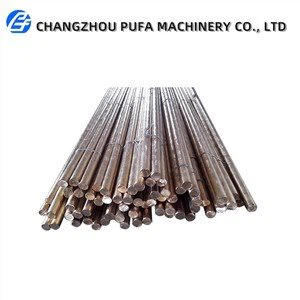
Pufa machinery keep a large stock for aluminum bronze bar. Our popular Aluminum Bronze SOLID ROUND Add to Inquiry -
Aluminum Bronze SOLID ROUND BAR
Aluminum Bronze SOLID ROUND BAR has good cutting and grinding performance, can be welded, and is Add to Inquiry -
Aluminum Bronze Flat Bar
Aluminum bronze rods have a wide range of applications due to their excellent properties. The Add to Inquiry -
Aluminum Bronze Round Tube
Aluminum bronze round tubes have a wide range of applications due to their excellent Add to Inquiry -
Aluminum Bronze Round Bar
The thermal conductivity and electrical conductivity of aluminum bronze round bars are relatively Add to Inquiry -
Aluminum Bronze Brazing Rod
Aluminum bronze brazing rods have several advantages. Firstly, they offer excellent strength and Add to Inquiry -
Aluminum Bronze Plate
Aluminum Bronze Plate is widely used.In the field of marine engineering, aluminum bronze is often Add to Inquiry -
Aluminum Bronze Tubing
Aluminum bronze tubes have the characteristics of good corrosion resistance, high strength and wear Add to Inquiry -
Aluminium Bronze Round Bar
Aluminum Bronze Round Bar is a type of bronze alloy that contains aluminium as the primary alloying Add to Inquiry


Why Choose Us
Competitive prices
We offer our products at competitive prices, making them affordable for our customers. We believe that high-quality products should not come at a premium, and we strive to make our products accessible to all.
Rich experience
Has a long-standing reputation in the industry, which makes it stand out from its competitors. With over many years of experience, they have developed the skills necessary to meet their clients' needs.
Efficient and convenient
The company has established marketing networks around the world to provide high-quality services to customers in an efficient and convenient manner.
Quality assurance
In terms of quality assurance, the company strictly follows the standards and norms of the industry quality system. Adopt industry-leading testing equipment to ensure product quality and good reputation.
Professional service
We can accept factory inspection and goods inspection at any time. Technical discussion, research and development of new products, and complete after-sales service.
High quality products
We always put customer needs and expectations in the first place, refine on, continuous improvement, to seek every opportunity to do better, to provide customers with their expectations of quality products, to provide customers with the most satisfactory service at anytime.
Uses of Aluminium Bronze
Aerospace Engineering
Aluminium bronze is often used in the aerospace industry because it is incredibly lightweight yet very strong. This makes it ideal for use in aircraft components such as landing gear, engine mounts, and fuselage frames. Aluminium bronze also offers superior resistance to corrosion, which helps protect aircraft from rusting or corroding due to extreme weather conditions.
Seawater Applications
It is imbued with exceptional corrosion resistance in marine environments by the oxide film produced by aluminum bronze The material’s tolerance to wear and corrosion also allows it ideal for impellers, propellers and other maritime equipment.
Architectural applications
The amazing properties of bronze aluminum make it capable of withstanding heavy loads, shock and vibrational load. This makes the material ideal for bridge bearings and base insulating systems in seismic retrofitting buildings.
Marine Applications
This alloy has been used in marine applications for centuries due to its excellent resistance to saltwater corrosion. It is often used for propeller shafts, stern tubes, rudder stocks, and other boat parts that can withstand saltwater exposure without sustaining damage or corrosion. Aluminium bronze also provides superior wear resistance compared to other alloys making it ideal for ships that need reliable parts that can withstand long periods of time at sea without requiring frequent maintenance or repair.
Specialized Corrosive Resisting Applications
This alloy may often be used in violent, corrosive conditions which would normally be unacceptable for other copper alloys like brass. Bronze aluminum is also biofouling resistant in saline waters.
Water Treatment Industries
The corrosion resistance of aluminum bronze may be a great value to components used in water treatment and service industries where corrosion is still a major concern.
What Are the Different Types of Aluminum Bronzes

High Alloyed, Two-Phase Aluminum Bronzes
Containing 8-11% aluminum, these alloys, often with added iron or nickel, offer enhanced strength, making them suitable for hot casting. Alloys with 10% or more aluminum excel in specialized applications requiring high strength, hardness, and wear resistance. Iron boosts tensile strength, while nickel improves corrosion resistance.

Low Nickel Aluminum Bronze
This variant, with lower strength and less than 8% aluminum, excels in die casting due to a lower melting temperature, enhancing energy efficiency. Its non-sparking properties and ease of die-cast tool production make it valuable in the tooling industry. Ideal for cold working, it maintains ductility in both hot and cold conditions.

Silicon-Aluminum Bronzes
With up to 2% silicon and 6% aluminum, these bronzes are strong, ductile, shock-resistant, and have low magnetic susceptibility. Known as aluminum-silicon bronzes, they are stronger and easier to hot work and cast.

Manganese-Aluminum Bronzes
Developed for propeller manufacture, these alloys (8-9% aluminum, 13% manganese) offer good castability, resistance to impingement, cavitation, and low magnetic permeability post-heat treatment
Application of Aluminum Bronze
Non-Sparking
Due to its non-sparking nature, aluminum bronzes are essential in the production of tools for the chemical and petroleum industries, mine maintenance, handling explosives, and gas equipment.
Corrosion Resistance
Because of their exceptional corrosion resistance, aluminum bronzes are perfect for use in chemical, atmospheric, and marine applications. This resistance is a result of the protective layer of aluminum oxide coating forming quickly. Oxide films can mend themselves almost instantly, even in the event of damage, scratches, or abrades.
Wear Resistance
It has good wear resistance, making it ideal for applications with long design lives in abrasive environments.
Cold Working Capability
Aluminum bronzes with less than 8-10% aluminum content exhibit exceptional cold working capabilities, allowing for versatile shaping into tube sheets, flats, wires, and other modified configurations.
Hot Working Capability
In aluminum bronzes, alloys containing 8–10% aluminum show gradually increasing mechanical strength and hardness, requiring hot working procedures. These alloys are appropriate for applications involving high temperatures during shaping and forming processes since their ideal hot working temperatures fall between 1300 °F and higher.
The Origins of Aluminum Bronze
In the mid-1800s, metallurgists started to experiment with combining copper and aluminum. However, the high cost of production hindered their efforts. In 1913, Durville improved the tilting ladle method to produce aluminum bronze billets by addressing problems related to oxide inclusion and shrinkage. Later, Charles H. Meigh collaborated with the French Admiralty to create nickel-aluminum bronze by enhancing this technique. Despite the attractive features of aluminum bronze, its commercial expansion was initially impeded due to user resistance and casting difficulties. However, after World War II, the expanding offshore oil sector, the growing need for propellers in larger and faster ships, and the necessity for a robust, corrosion-resistant alloy in submarine construction led to the widespread use of aluminum bronze.
Aluminum Bronze Making Process
You need a clean and well-ventilated area with a crucible or forge to create aluminium bronze. It is essential to wear safety gear and warn people to keep away to ensure your safety. Before melting aluminum and copper, they should be weighed in a 9:1 ratio and placed in an industrial-grade crucible. Melt the metals at 1,038 °C and stir them well using a graphite rod until fully combined. For small-scale forging, you can use a blowtorch. After pouring the molten mixture into a mold, let it sit for 20 minutes until it becomes firm. Then, remove the cooled bronze with caution. To obtain a shiny aluminum bronze product, the classic bronze casting process must be finished by quenching it in water.
How to Clean Aluminium Bronze
Preparation Steps
Before cleaning aluminum bronze, you should take a few preparation steps. First, make sure you are working in a well-ventilated area. Next, wear protective gloves and safety glasses to protect yourself from any potential debris or splashes of cleaner. Finally, inspect the aluminum bronze for any signs of damage or corrosion before starting the cleaning process.
Cleaning Process
Once you have finished with the preparation steps, it’s time to start cleaning your aluminum bronze. The best way to clean aluminum bronze is with a mild detergent solution and a soft cloth or sponge. Start by mixing one teaspoon of liquid dishwashing detergent with one quart of warm water in a bucket or bowl. Dip your cloth or sponge into the solution and then wring it out so that it isn’t dripping wet before applying it to the surface of the aluminum bronze. Gently scrub any dirt or grime using circular motions until the surface is clean and debris-free. Rinse off the detergent solution with clean water when you are done, and dry the aluminum bronze with a soft cloth.
Alloy-Safe Cleaners
If your aluminum bronze is heavily soiled, you may use an alloy-safe cleaner instead of dish soap. Alloy-safe cleaners are specially formulated to remove tough dirt and grime without damaging delicate surfaces like aluminum bronze. Be sure to follow all instructions on the label carefully when using these cleaners, as they can be caustic if not used properly!
From Waste to Surface Modification of Aluminum Bronze Using Selective Surface Diffusion Process
When corrosion is the dominant failure factor in industrial application and at the same time high mechanical properties are required, aluminum bronze is one of the best candidates. Hence, there is a continuous quest for increasing the lifetime of aluminum bronze alloys through enhancing the abrasion and corrosion resistance. Existing methods are based on modifying the bulk properties of alloy or surface modification which required sophisticated equipment and process control. This approach has limited application for advanced components because of high price and difficulty to apply. In this research, we developed an innovative approach to enhance the corrosion and abrasion resistance of aluminum bronze through selective surface diffusion process. In this process, we have used waste materials as input and the modified surface has formed in a single and green process. New surface structure consists of finely dispersed kappa phase (χ ) in uniform alpha (α) solid solution matrix. Results have demonstrated that this uniform diffused modified surface layer has improved hardness of the base material and both corrosion and abrasion resistance has increased. This novel surface modification technique has opened a pathway for using waste materials as input for surface modification of aluminum bronze to meet the needs of industrial applications in a cost effective and environmentally friendly way.

The Difference Between Aluminum Bronze And Beryllium Copper
Beryllium copper, also known as beryllium bronze, is the "king of ductility" among alloy coppers. After solid solution aging quenching and tempering treatment, a commercial high-toughness forged beryllium bronze aluminum alloy with high toughness and high conductivity can be obtained. After quenching and tempering, it not only has high toughness and strength, but also has the advantages of wear resistance, corrosion resistance, and high-quality forging characteristics. Beryllium bronze aluminum alloy is suitable for making various molds, explosion-proof safety tools, camshafts and other wear-resistant materials. , transmission gears, worm gears, rolling bearings, etc.
High conductivity forged beryllium copper alloy has high electrical conductivity and heat transfer rate after quenching and tempering treatment. Beryllium copper alloy is suitable for making power switch parts, strong contact and similar current-carrying components, resistance welding machine fast fixtures, metal electrodes and injection molding Molds, hydropower continuous casting machine mold inner pads, etc., beryllium has the strongest ability to transmit X-rays. It is called "metallic glass" and its aluminum alloy is used in aviation, aerospace, military, electronic equipment and other fields. , nuclear power and other industrial development strategies are irreplaceable. Metal composite beryllium bronze is the ductile aluminum alloy with the best properties among copper alloys. It has the characteristics of excellent heat transfer, electrical conductivity, high temperature resistance, wear resistance, corrosion resistance, and no magnetic field. , the ductility is lagging behind, and the impact does not cause flames. It is widely used in industrial production such as national defense security, instrument panels, instruments, electronic computers, automobiles, and household appliances. Beryllium copper-tin aluminum alloy is used to produce spring yellow for high-temperature operation. This kind of spring yellow maintains stable ductility and ductility under red heat.

Low Magnetic Permeability of Aluminum Bronze
When looking for materials for low magnetic permeability applications, choosing a material with low magnetic susceptibility and high magnetic permeability is essential. Aluminum bronze is ideal for these applications because it offers both characteristics. Its nonferrous nature means it does not magnetize easily and is resistant to magnetic field effects. These features make aluminum bronze the best option for electrical and electronic applications.
Our Factory
Changzhou pufa machinery co., LTD, established in 1986, is a professional copper alloy manufacturer which specializes in casting, extrusion and finish machining. After more than 30 years of development, our company is now covering an area of more than 20,000 square meters and have 120 employees.

video
Certifications

FAQ
We're well-known as one of the leading aluminum bronze suppliers in China since 1986, featured by quality products and competitive price. Please feel free to wholesale custom aluminum bronze made in China here from our factory. For OEM service, contact us now.
phosphor bronze bearings, C95400 Aluminum Bronzes, Nickel Aluminum Bronze Round Bar