

What is Phosphor Bronze
Phosphor bronze, a copper alloy, incorporates tin and phosphorus to enhance its properties. The inclusion of tin contributes to heightened corrosion resistance and increased strength, while phosphorus imparts good wear resistance and stiffness. This alloy, known for its remarkable combination of strength and corrosion resistance, finds applications in several industries due to its unique set of characteristics.
Benefits of Phosphor Bronze
Corrosion Resistance
Perhaps one of the most standout features of phosphor bronze is its exceptional resistance to corrosion. Even when exposed to harsh and corrosive environments, such as marine settings or chemical processing facilities, phosphor bronze remains resolute and durable. This resilience to corrosion makes it an ideal choice for applications where exposure to moisture, saltwater, and humidity is a constant challenge.
High Strength with Ductility
Phosphor bronze possesses a remarkable combination of high tensile strength and good ductility. This unique property allows it to withstand substantial mechanical stress while remaining malleable. As a result, it finds its way into applications that demand both strength and formability, such as springs, fasteners, and electrical connectors.
Excellent Electrical Conductivity
Another notable property of phosphor bronze is its excellent electrical conductivity. This property is a key factor in the selection of its electrical and electronic components. Phosphor bronze's ability to efficiently conduct electricity and its corrosion resistance make it a valuable material for electrical connectors, terminals and switches in various industries.
-

Phosphor Bronze Alloy
We can proceed with many different types of phosphor bronze alloy, like C51000, C52100, C54400 and Add to Inquiry -
Phosphor Bronze Alloys
Phosphor bronze alloys are always well noted for their resistance of fatigue and wear. Phosphor Add to Inquiry -
Alloy PB1 Phosphor Bronze
PB1 is a cast material containing 10-11.5% tin and small amounts of phosphorus. Phosphor Bronze PB1 Add to Inquiry -
Round Tin Bronze Hollow Bar
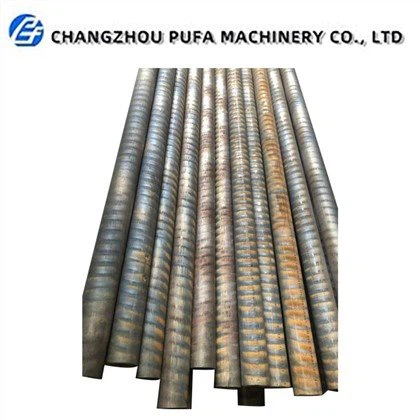
We are manufacturer of Tin Bronze Hollow Bar in China since 1986. Our round tin bronze hollow bars Add to Inquiry -
Phosphorus Bronze Round Bars
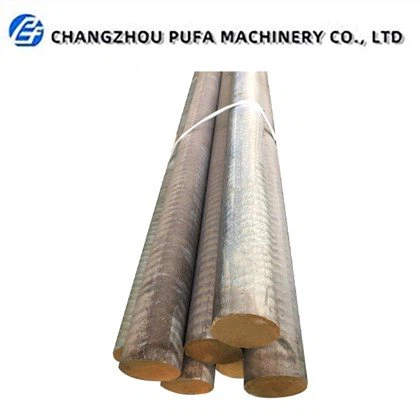
Phosphorus Bronze Round Bars have excellent mechanical strength and high fatigue strength. It also Add to Inquiry -
Phosphor Bronze Tubes
Phosphor bronze tubes are copper alloy which have excellent soldering and brazing properties and Add to Inquiry -
Phosphor Bronze Alloy Bars
We are professional manufacturer of phosphor bronze alloy bars. Phosphor bronze or tin bronze is a Add to Inquiry -
C51000 Phosphor Bronze Round
We make continuous casting C51000 phosphor bronze round bar. C51000 is also well known as C510 or Add to Inquiry -
C510 Phosphor Bronze Round Rod
C510 phosphor bronze round bar is also called C51000. C51000 phosphor bronze consists of copper Add to Inquiry -
Alloy Phosphor Bronze Rod
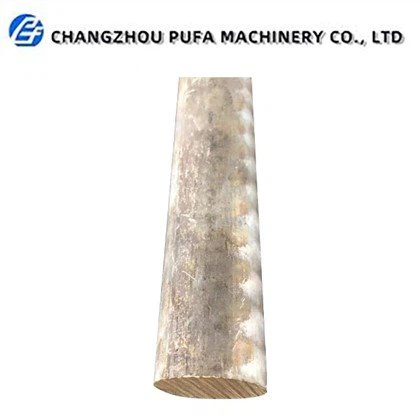
Since 1986, we are a professional manufacturer of alloy phosphor bronze rods in China. Our phosphor Add to Inquiry -
C52400 Phosphor Bronze Rod
C52400 phosphor bronze rod contains around 10% tin. C52400 phosphor bronze is high quality Add to Inquiry -
Alloy Phosphor Bronze Rod CuSn4
Alloy phosphor bronze rod CuSn4 contains around 95.6% copper and4.2% tin, deoxidized with Add to Inquiry




Why Choose Us
Competitive prices
We offer our products at competitive prices, making them affordable for our customers. We believe that high-quality products should not come at a premium, and we strive to make our products accessible to all.
Rich experience
Has a long-standing reputation in the industry, which makes it stand out from its competitors. With over many years of experience, they have developed the skills necessary to meet their clients' needs.
Efficient and convenient
The company has established marketing networks around the world to provide high-quality services to customers in an efficient and convenient manner.
Quality assurance
In terms of quality assurance, the company strictly follows the standards and norms of the industry quality system. Adopt industry-leading testing equipment to ensure product quality and good reputation.
Professional service
We can accept factory inspection and goods inspection at any time. Technical discussion, research and development of new products, and complete after-sales service.
High quality products
We always put customer needs and expectations in the first place, refine on, continuous improvement, to seek every opportunity to do better, to provide customers with their expectations of quality products, to provide customers with the most satisfactory service at anytime.
What Is the Difference Between Phosphor Bronze and Brass
Phosphor bronze and brass are both copper alloys, but they have distinct differences in terms of composition, properties, and applications.
Phosphor bronze is a copper-based alloy. The addition of phosphorus gives it its name and contributes to its unique properties. Brass is also copper-based, but the primary alloying agent is zinc rather than the tin typical of bronze.
Phosphor bronze typically has a reddish-brown or gold color. Brass can vary in color from yellow to a similar reddish-brown to phosphor bronze, varying considerably with the zinc content.
Phosphor bronze is known for its excellent spring properties, high electrical conductivity, and corrosion resistance. It is often used in springs, electrical contacts, and components requiring both strength and electrical conductivity. Brass is valued for its malleability, corrosion resistance, and acoustic properties. It is used in musical instruments, decorative items, and plumbing fixtures not subject to acidic or salt conditions.
Phosphor bronze is commonly used in applications in which a combination of strength, electrical conductivity, and corrosion resistance is required. Brass is used in a wide range of applications, including: musical instrument tubes (brass instruments and some woodwind types), plumbing fittings, decorative hardware, and ammunition casings.

How Is Phosphor Bronze Made
As with most alloys, phosphor bronze is usually made by batch-mixing alloying in a crucible or furnace using high-purity ingredients according to a prescribed "recipe." The main raw materials used in the production of phosphor bronze are copper, tin and phosphorus. These materials are sourced in their pure form or as alloys. The required proportions of copper, tin and phosphorus are carefully measured and eutectic in the furnace. Often contains additives for degassing and slagging. During the melting process, the alloying elements are thoroughly mixed by stirring or crucible movement to ensure uniformity. Phosphorus is often added to control precise amounts as a master alloy—a preformed and precisely quantified mixture of copper and phosphorus to increase the precision and miscibility of the phosphorus addition. Once the alloy is homogenized, it is cast into various forms such as ingots, rods or billets depending on the intended application. For specific applications, spectral analysis of the ingredients is performed to ensure that the proportions are met. The precise details of the alloying process will vary depending on the specific requirements of the alloy and its intended application. Various additives for degassing are used, and for the highest purity alloys, vacuum arc remelting can be applied.
What Are the Applications of Phosphor Bronze
Wire
Phosphor bronze wire is a type of wire known for its excellent combination of properties, including: high tensile strength, good electrical conductivity, corrosion resistance, and fatigue resistance. Phosphor bronze wire is commonly used in electrical connectors, springs, musical instrument strings, and valves, in which its combination of strength and electrical conductivity is applicable.
Springs
Phosphor bronze springs are highly regarded for their excellent spring properties, combining good elasticity, high tensile strength, cycle fatigue endurance, and corrosion resistance. Phosphor bronze springs are widely used in electrical contacts, switches, mechanical components, and instruments. They are valued for their durability, reliability, and ability to maintain their spring properties over time, even in challenging environments. Typically, phosphor bronze is one of the two sheet materials in a thermal change bi-metallic component that operates as a very stable and precise thermal sensor.
Marine Products
Phosphor bronze is widely used in the marine industry due to its excellent resistance to chloride ion corrosion. Phosphor bronze is commonly used in the manufacture of marine propellers due to its resistance to corrosion in salt water environments and its relatively low cost. Marine fasteners such as screws, bolts and nuts can be made of phosphor bronze to withstand the corrosive effects of seawater. Bushings and bearings made of phosphor bronze are used in various fields to provide reliable, durable and low-friction motion. Due to their corrosion-resistant properties, these alloys can be used to create a variety of marine fittings and hardware components, such as cleats, hinges, and medium-duty chains. Phosphor bronze driveshafts are used in marine applications where corrosion resistance and durability are critical because the shaft passes through the "packing" and is exposed to seawater.
Dental Products
Phosphor bronze was formerly used in the production of dental equipment products, having been displaced by stainless steel, titanium, and dental-grade plastics due to their better biocompatibility, durability, and ease of sterilization.
Musical Applications
Phosphor bronze is widely used in the manufacturing of various musical instruments, particularly for its exceptional acoustic properties. It is frequently used to make acoustic guitar strings. It provides a warm, rich tone with good sustain and clarity, resulting from the high spring modulus and low damping behavior. Phosphor bronze is used in piano strings, contributing to the instrument's resonance and durability for the same benefits as in guitar strings. It is employed in the production of cymbals, offering a bright and resonant sound that benefits from the same range of properties and considerable work-hardening, evident in the rolled, spun, or hand-planished finishes. Some brass instruments, such as trumpets and saxophones, may incorporate phosphor bronze components to enhance their acoustic properties and resistance to saliva-induced corrosion.
Fuse Clips
Phosphor bronze is widely used as an electrical corrosion-resistant alternative to plated, hardened steel for the spring clips that retain fuses. Good conductivity and great spring resilience add to this for long life and use-tolerant clips that solder easily.
Industrial Applications
Phosphor bronze finds various industrial applications due to its unique combination of properties, including strength, corrosion resistance, and electrical conductivity. Its wear resistance and lubricity make it ideal for use in roller/ball bearings and plain rotating and sliding bushings, reducing friction and wear in machinery. Phosphor bronze springs are used in various industrial equipment, including: valves, switches, and automotive components due to excellent spring properties and durability. It is commonly used in electrical connectors and switches for its good electrical conductivity and spark erosion-corrosion resistance. Tubes and fins made of the materials are used in heat exchangers, in which corrosion resistance and thermal conductivity are important.
Electrical Applications
Phosphor bronze is widely used in electrical applications due to its excellent electrical conductivity, thermal conductivity and corrosion resistance. Phosphor bronze is widely used in electrical connectors and contacts to ensure reliable conductivity and durability. They are often gold plated to improve connectivity and reduce connection/disconnect "noise". It is used in switches because of its spring-like properties, which allow for smooth and reliable electrical contact with high and long-lasting spring force and fatigue resistance. Phosphor bronze terminal blocks are used for wire connections in electrical panels and distribution systems. Phosphor bronze springs are widely used in electrical switches and relays, industrial equipment and consumer products, providing precise and repeatable performance.
Relay Contacts
Phosphor bronze spring contacts are commonly used in relay contacts, specifically in electromagnetic relays and switchgear. These applications exploit the electrical and mechanical strengths of the materials
Circuit Breaker Contacts
Phosphor bronze is used in high-power circuit breakers, particularly in their contact materials. The combination of good electrical conductivity, low erosion by contact arcing, durability and longevity, and relatively low price is a winning group of advantages.
What Are the Different Types of Phosphor Bronze
|
Alloy |
Composition |
Characteristics |
Application |
|
PB1 |
Cu 88–89.5%, Sn 10–11.5%, P ~0.02% |
Excellent corrosion resistance, good wear resistance, high mechanical strength, good conductivity, suitable for soldering and brazing |
Washers, gears, bearings; best for medium to high loads |
|
PB2 |
Cu 85–87%, Sn 11–13%, Pb ~9%, P ~0.02% |
Higher corrosion resistance, more hard-wearing, better fatigue resistance |
Similar applications to PB1 with higher wear resistance and loads |
|
PB102 |
Cu 95%, Sn 4.5–5.5%, P 0.2–0.4% |
Good corrosion resistance, improved wear resistance, stiffness, and mechanical strength; suitable for cold forming, good weldability, excellent for brazing and soldering |
Marine and offshore hardware, electrical components, fasteners, decorative components |
|
SAE660 |
Cu 78–82%, Sn 6–8%, Pb 6–8%, P ~0.02% |
Good hardness, wear resistance, strength, excellent anti-friction properties, and machinability; does not suffer from dezincification; good resistance to brine and seawater |
Pump and valve components, bearings, and bushings for medium loads |
Can You Laser Weld Phosphor Bronze
Laser welding of phosphor bronze can be challenging due to the material's high reflectivity to some frequencies of laser light and its high thermal conductivity. However, with specialized laser welding equipment and parameters, it is possible to achieve successful laser welds. This requires careful control of laser power, pulse duration, and beam focusing to overcome the material's reflectivity and achieve a quality weld. the reflectivity is greatly reduced when the material approaches the liquidus state, so the initiation of welds is the major challenge.

What Are the Physical Properties of Phosphor Bronze
|
Physical Property |
Description |
|
Color |
Typically reddish-brown or golden when unoxidized |
|
Density |
Generally ranges from 8.75 to 8.94 g/cm³ |
|
Melting Point |
Typically between 920 °C and 980 °C (1,688 °F–1,796 °F) |
|
Electrical Conductivity |
Good electrical conductivity, suitable for electrical contacts and connectors |
|
Thermal Conductivity |
Moderate thermal conductivity, used in heat-transfer applications |
|
Tensile Strength |
High tensile strength, making it suitable for springs and high-stress components |
|
Hardness |
Relatively high hardness, providing wear resistance |
|
Coefficient of Friction |
Low coefficient of friction, advantageous in bearing applications |
|
Magnetic Properties |
Non-magnetic |
Is Phosphor Bronze Stronger Than Stainless Steel
It depends. Phosphor bronze and stainless steel have quite divergent properties and advantages, and their relative strength depends on the fine details of alloy constituents. Stainless steel is useful due to its higher tensile strength compared to phosphor bronze. Phosphor bronze is selected for its unique combination of properties, including: good strength, wear resistance, and corrosion resistance. The application-specific benefits of the two materials result from the precise requirements of the use and the desired balance of properties.

Does Phosphor Bronze Rust
No, phosphor bronze does not “rust” in the mode that ferrous metals like iron and steel corrode. However, phosphor bronze is particularly corrosion-resistant among copper alloys. This corrosion resistance results from the formation of an impermeable protective oxide layer on the surface of the bronze when exposed to air or moisture, which acts as a moisture and oxygen barrier. Phosphor bronze is often chosen for applications in environments in which corrosion is a concern, such as marine and outdoor settings.
Our Factory
Changzhou pufa machinery co., LTD, established in 1986, is a professional copper alloy manufacturer which specializes in casting, extrusion and finish machining. After more than 30 years of development, our company is now covering an area of more than 20,000 square meters and have 120 employees.

video
Certifications

FAQ
We're well-known as one of the leading phosphor bronze suppliers in China since 1986, featured by quality products and competitive price. Please feel free to wholesale custom phosphor bronze made in China here from our factory. For OEM service, contact us now.
aluminium sealing washers, sintered bronze sleeve bearing, delrin flanged bushings