

Can a bronze round bar be used in food - grade applications?
As a supplier of bronze round bars, I often get asked whether our products can be used in food - grade applications. This is a crucial question, considering the strict safety and quality standards in the food industry. In this blog post, I'll delve into the properties of bronze, the types of bronze round bars we offer, and their suitability for food - grade applications.
Bronze is an alloy primarily composed of copper, with tin being the most common additive. Other elements such as zinc, lead, nickel, and phosphorus may also be present in varying amounts, each contributing to the unique properties of the alloy. These properties include high strength, good corrosion resistance, excellent machinability, and attractive appearance.
When it comes to food - grade applications, the main concerns are the potential for metal leaching and the ability to maintain a hygienic surface. Metals can leach into food products under certain conditions, especially when in contact with acidic or alkaline substances. This can pose health risks if the leached metals are toxic. Additionally, the surface of the material should be smooth and non - porous to prevent the growth of bacteria and other microorganisms.
Let's take a look at some of the bronze round bars we supply and their suitability for food - grade applications.
SAE 660 Bronze
SAE 660 Bronze is a popular choice in many industrial applications due to its excellent combination of strength, corrosion resistance, and machinability. It contains approximately 88% copper, 10% tin, and 2% zinc. The relatively high copper content provides good corrosion resistance, which is an important factor in food - grade applications as it reduces the risk of metal leaching.

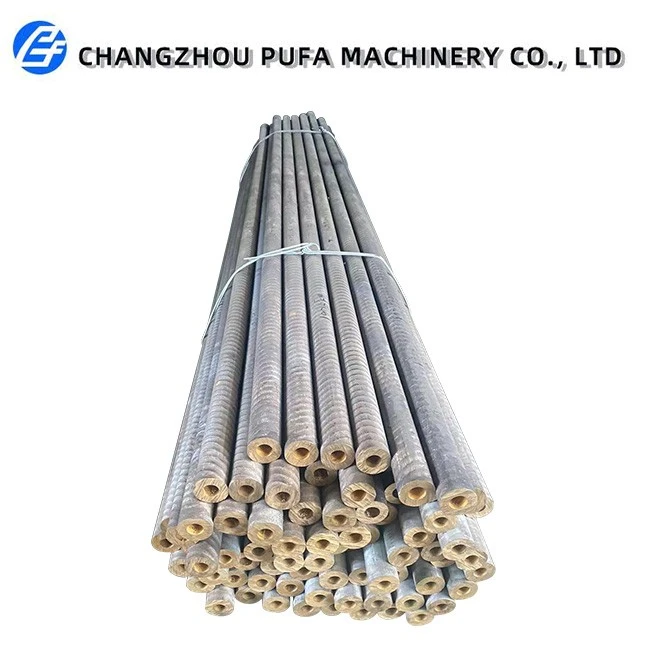
However, SAE 660 Bronze also contains a small amount of lead. Lead is a toxic metal, and even trace amounts can be harmful if ingested over a long period. In food - grade applications, the presence of lead is a major concern. While the lead content in SAE 660 Bronze is relatively low, it may not meet the strict standards set by food safety regulations in many countries. Therefore, in most cases, SAE 660 Bronze is not recommended for direct contact with food. It may be suitable for indirect contact applications, such as in equipment parts that do not come into direct contact with food but are part of the food processing or storage system.
Leaded Tin Bronze
Leaded Tin Bronze is another type of bronze that contains lead. As the name suggests, lead is added to improve machinability. Similar to SAE 660 Bronze, the presence of lead makes it unsuitable for direct contact with food. Lead can leach into food, especially when the food has a high acidity or alkalinity.
In addition to the lead issue, Leaded Tin Bronze may also have a rougher surface compared to other types of bronze, which can provide a breeding ground for bacteria. Therefore, it is generally not recommended for food - grade applications.
Copper Nickel Tin Bronze
Copper Nickel Tin Bronze is a high - performance alloy that offers excellent corrosion resistance, strength, and fatigue resistance. It contains copper, nickel, and tin as the main alloying elements, and does not contain lead.
The absence of lead makes Copper Nickel Tin Bronze a more promising candidate for food - grade applications. Copper and nickel are both relatively non - toxic metals, and the corrosion resistance of this alloy helps to prevent metal leaching. Additionally, it can be finished to a smooth surface, which is important for maintaining hygiene. However, it is still necessary to ensure that the material meets the specific food safety standards of the target market.
In some cases, surface treatments may be applied to further improve the performance of the bronze round bar in food - grade applications. For example, a passivation treatment can be used to form a protective oxide layer on the surface of the bronze, which can enhance corrosion resistance and reduce the risk of metal leaching.
When considering using a bronze round bar in food - grade applications, it is essential to consult with relevant regulatory authorities and obtain the necessary certifications. Food safety regulations vary from country to country, and it is the responsibility of the manufacturer and the end - user to ensure compliance.
In conclusion, while some types of bronze round bars may have potential for food - grade applications, careful consideration must be given to the alloy composition, surface finish, and regulatory requirements. Copper Nickel Tin Bronze, due to its lead - free composition and good corrosion resistance, is a more suitable option for direct or indirect contact with food. However, thorough testing and compliance with food safety standards are always necessary.
If you are interested in exploring our range of bronze round bars for your specific food - grade or other industrial applications, I encourage you to reach out to us. Our team of experts can provide you with detailed information about the products, their properties, and their suitability for your needs. We can also assist you in navigating the complex world of food safety regulations and obtaining the necessary certifications.
Don't hesitate to contact us to start a conversation about your procurement requirements. We look forward to working with you to find the best bronze round bar solutions for your business.
References
- Metals Handbook, ASM International
- Food Safety and Standards Authority of India (FSSAI) Guidelines
- United States Food and Drug Administration (FDA) Regulations on Food Contact Materials