

Can bronze bushings be used in wet environments? That's a question I get asked a lot as a bronze bushing supplier. In this blog, I'll share my insights based on years of experience in the industry.
First off, let's talk about what bronze bushings are. They're simple yet super useful components in all sorts of machinery. They're used to reduce friction between moving parts, kind of like a smooth layer that helps things glide. You can find them in everything from cars to industrial equipment.
Now, the big question: can they handle wet environments? Well, the answer isn't a straightforward yes or no. It depends on a few factors.
The Basics of Bronze Bushings
Bronze is an alloy made mainly of copper and tin, but it can also have other elements like lead, zinc, or phosphorus. Different types of bronze have different properties, which affect how well they work in wet conditions.

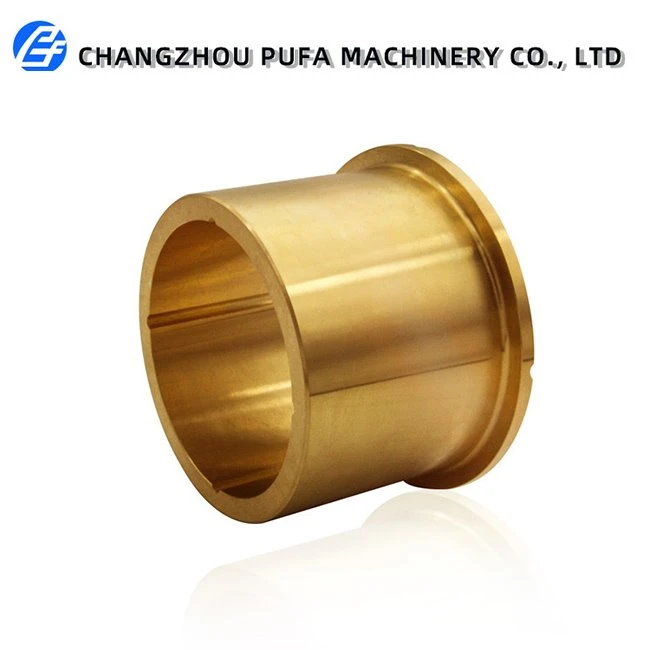
For example, Lead Tin Bronze Bushing has good anti - seizure properties and is pretty resistant to wear. But when it comes to wet environments, the lead in it can be a bit of a problem. Lead can corrode over time when exposed to water, especially if the water has some impurities or is acidic.
On the other hand, some bronze alloys with a higher percentage of tin and other corrosion - resistant elements can be more suitable for wet use. These alloys form a protective oxide layer on the surface when they react with oxygen in the air or water. This layer acts as a barrier, preventing further corrosion.
Factors Affecting Bronze Bushings in Wet Environments
- Water Quality
The quality of the water they're exposed to matters a lot. Clean, distilled water is less likely to cause corrosion compared to water with high levels of salts, acids, or other contaminants. For instance, if the bushing is used in a marine environment, seawater is extremely corrosive because of its high salt content. The salt can speed up the corrosion process, eating away at the bronze over time. - Temperature
Temperature also plays a role. Higher temperatures can accelerate chemical reactions, including corrosion. If the wet environment is also hot, the bronze bushing will face more challenges. For example, in a hot water system, the combination of heat and water can cause the protective oxide layer on the bronze to break down faster, leaving the bushing more vulnerable to corrosion. - Mechanical Stress
In addition to the chemical effects of water, mechanical stress can also affect the performance of bronze bushings in wet environments. If the bushing is under a lot of pressure or experiencing vibrations while in contact with water, it can lead to mechanical damage. This damage can expose fresh metal surfaces, which are more prone to corrosion.
Types of Bronze Bushings for Wet Environments
Some types of bronze bushings are better suited for wet conditions.
Bronze Sleeve is a popular choice. It has a simple design, which makes it easy to install and maintain. Some bronze sleeves are made from alloys that are specifically formulated to resist corrosion in wet environments. They can be used in applications like water pumps, where they need to withstand continuous exposure to water.
Metric Sleeve Bushings are another option. They come in standard metric sizes, which makes them easy to find replacements for. These bushings can also be made from corrosion - resistant bronze alloys, making them a good choice for wet applications.
Protecting Bronze Bushings in Wet Environments
If you're planning to use bronze bushings in a wet environment, there are some steps you can take to protect them.
- Coatings
Applying a protective coating can be very effective. There are various types of coatings available, such as epoxy coatings or polymer coatings. These coatings act as a physical barrier between the bronze and the water, preventing direct contact and reducing the risk of corrosion. - Lubrication
Proper lubrication can also help. Lubricants can not only reduce friction but also provide a layer of protection against water. Some lubricants are specifically designed for wet environments and can form a hydrophobic film on the surface of the bushing, keeping the water away. - Regular Maintenance
Regular maintenance is crucial. This includes inspecting the bushings for signs of corrosion or wear, cleaning them if necessary, and replacing any damaged parts. By catching problems early, you can extend the lifespan of the bronze bushings.
Conclusion
So, can bronze bushings be used in wet environments? The answer is yes, but with some considerations. You need to choose the right type of bronze alloy, take into account the environmental factors like water quality and temperature, and implement proper protection and maintenance measures.
If you're in the market for bronze bushings for wet applications, I'm here to help. I've got a wide range of Bronze Sleeve, Lead Tin Bronze Bushing, and Metric Sleeve Bushings that are suitable for different wet environments. Feel free to reach out to discuss your specific needs and we can work together to find the best solution for your machinery.
References
- "Handbook of Bearings and Seals" by John R. Wilson
- "Corrosion of Metals" by Uhlig H. H. and Revie R. W.