

Phosphor bronze is a type of bronze alloy that contains copper, tin, and a small amount of phosphorus. It is well - known for its excellent mechanical properties, including high strength, good ductility, and outstanding corrosion resistance. As a phosphor bronze supplier, I have witnessed the significant influence of impurities on the properties of this valuable alloy. In this blog, I will delve into how impurities can affect the various properties of phosphor bronze.
Chemical Composition and the Role of Main Elements
Before discussing impurities, it's important to understand the main components of phosphor bronze. Copper is the base metal, providing good electrical and thermal conductivity, as well as malleability. Tin is added to increase the strength and hardness of the alloy. Phosphorus, usually present in small amounts (up to 1%), acts as a deoxidizer during the melting process and also improves the wear resistance and elasticity of the alloy.
Types of Impurities in Phosphor Bronze
Impurities in phosphor bronze can come from various sources, such as raw materials, the manufacturing environment, or the melting and casting processes. Common impurities include iron, lead, zinc, sulfur, and oxygen. Each of these impurities can have a different impact on the properties of phosphor bronze.
Iron
Iron is one of the most common impurities in phosphor bronze. When present in small amounts, iron can act as a grain refiner, which may improve the mechanical properties of the alloy. However, if the iron content exceeds a certain level, it can form hard and brittle iron - rich phases. These phases can reduce the ductility and machinability of the phosphor bronze. For example, in applications where the alloy needs to be bent or formed, high iron content can lead to cracking during the forming process.
Lead
Lead is often considered an unwanted impurity in phosphor bronze. Although lead can improve the machinability of some alloys, in phosphor bronze, it can have a negative impact on the mechanical properties. Lead has a low melting point and tends to segregate at the grain boundaries. This segregation can weaken the grain boundaries, reducing the strength and fatigue resistance of the alloy. In addition, lead is a toxic element, and its presence in phosphor bronze may limit the alloy's use in some applications, such as those related to food or medical equipment.

Zinc
Zinc can be present as an impurity in phosphor bronze. In small amounts, zinc can solid - solution strengthen the alloy, similar to tin. However, excessive zinc content can cause dezincification, a corrosion process in which zinc is selectively removed from the alloy. Dezincification can lead to a significant reduction in the mechanical properties and corrosion resistance of the phosphor bronze, especially in environments containing chloride ions, such as seawater.
Sulfur
Sulfur is another impurity that can have a detrimental effect on phosphor bronze. Sulfur can react with copper to form copper sulfide, which is a brittle compound. The presence of copper sulfide can reduce the ductility and toughness of the alloy. Moreover, sulfur can also promote hot shortness, a phenomenon where the alloy becomes brittle at high temperatures during processing, such as hot rolling or forging.
Oxygen
Oxygen is an impurity that can be introduced during the melting and casting processes. Oxygen can react with copper and other elements in the alloy to form oxides. These oxides can act as inclusions, which can reduce the mechanical properties of the phosphor bronze. For example, oxide inclusions can act as stress concentrators, leading to premature failure under stress. In addition, oxygen can also reduce the electrical conductivity of the alloy, which is a critical property in some applications, such as electrical connectors.
Impact on Mechanical Properties
The presence of impurities can significantly affect the mechanical properties of phosphor bronze. As mentioned above, impurities can reduce the ductility, strength, and fatigue resistance of the alloy. For example, in a study on the fatigue properties of phosphor bronze, it was found that samples with higher impurity levels had a shorter fatigue life compared to those with lower impurity levels. This is because the impurities can act as initiation sites for cracks, which can propagate under cyclic loading.
In terms of hardness, some impurities may increase the hardness of the alloy, but this may not always be beneficial. An increase in hardness due to impurities may be accompanied by a decrease in ductility, which can make the alloy more brittle and prone to cracking.
Impact on Corrosion Resistance
Corrosion resistance is one of the key properties of phosphor bronze. Impurities can have a significant impact on this property. As discussed earlier, zinc and sulfur impurities can promote corrosion processes such as dezincification and the formation of brittle sulfide phases, respectively. These processes can lead to the degradation of the alloy's surface and a reduction in its corrosion resistance.
In addition, impurities can also affect the passivation ability of the phosphor bronze. Passivation is a process in which a thin, protective oxide layer forms on the surface of the alloy, preventing further corrosion. Impurities can disrupt the formation of this protective layer, making the alloy more susceptible to corrosion.
Impact on Electrical and Thermal Conductivity
Phosphor bronze is often used in applications where good electrical and thermal conductivity is required, such as electrical connectors and heat exchangers. Impurities can have a negative impact on these properties. For example, oxygen and iron impurities can increase the electrical resistivity of the alloy. The presence of these impurities can disrupt the flow of electrons, reducing the electrical conductivity. Similarly, the formation of impurity - rich phases can impede the transfer of heat, reducing the thermal conductivity of the alloy.
Quality Control and Impurity Management
As a phosphor bronze supplier, we are well - aware of the importance of controlling impurities in our products. We use high - quality raw materials and advanced melting and refining processes to minimize the presence of impurities. For example, we carefully select our copper and tin sources to ensure low impurity levels. During the melting process, we use deoxidizers and fluxing agents to remove oxygen and other impurities.
In addition, we perform strict quality control tests on our products. We use techniques such as spectroscopy to analyze the chemical composition of the phosphor bronze and ensure that the impurity levels are within the acceptable range. By maintaining tight control over the impurity levels, we can ensure that our phosphor bronze products have consistent and reliable properties.
Our Phosphor Bronze Products
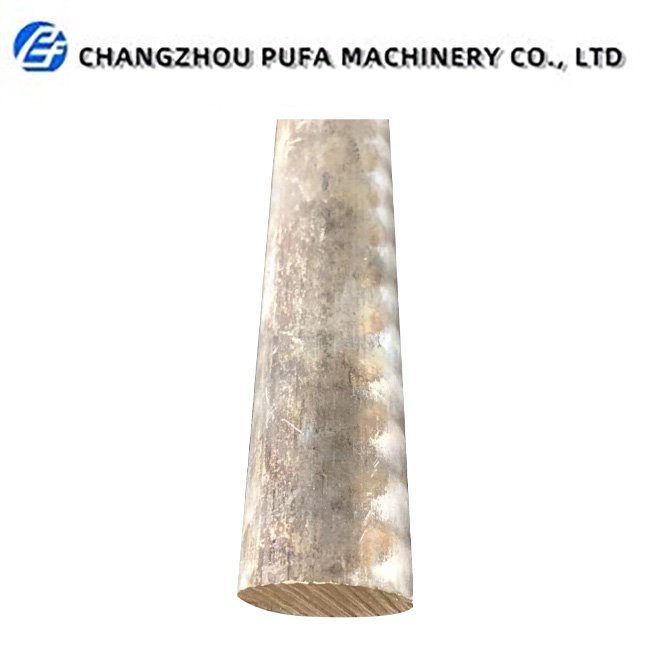
We offer a wide range of Phosphor Bronze Products, including Alloy Phosphor Bronze Rod and Phosphor Bronze Rods. Our products are known for their high quality and excellent performance. Whether you need phosphor bronze for electrical applications, mechanical engineering, or other industries, we can provide you with the right solution.
Conclusion
In conclusion, impurities can have a significant impact on the properties of phosphor bronze. Iron, lead, zinc, sulfur, oxygen, and other impurities can affect the mechanical, corrosion, electrical, and thermal properties of the alloy. As a phosphor bronze supplier, we understand the importance of managing these impurities to ensure the quality and performance of our products.
If you are interested in our phosphor bronze products or have any questions about the impact of impurities on phosphor bronze, please feel free to contact us for further discussion and procurement. We are committed to providing you with the best phosphor bronze solutions for your specific needs.
References
- Davis, J. R. (Ed.). (2001). Copper and Copper Alloys. ASM International.
- Metals Handbook: Properties and Selection: Nonferrous Alloys and Pure Metals. (1990). ASM International.
- Schlesinger, M. E., & Paunovic, M. (Eds.). (2010). Modern Electroplating. John Wiley & Sons.