

Hey there! As an aluminum bronzes supplier, I've seen firsthand how different environments can really mess with the corrosion rates of these alloys. Aluminum bronzes are super versatile and are used in all sorts of industries, from marine to aerospace. But one of the big things we need to keep an eye on is how they hold up in different conditions.
Let's start with the basics. Aluminum bronzes are alloys that contain aluminum as the main alloying element, along with copper and sometimes other elements like iron, nickel, or manganese. They're known for their high strength, good corrosion resistance, and excellent wear properties. But that corrosion resistance can vary a lot depending on where they're used.
Corrosion in Freshwater Environments
Freshwater might seem like a pretty harmless environment, but it can still cause corrosion in aluminum bronzes. In freshwater, the main culprit is usually the dissolved oxygen. Oxygen in the water reacts with the aluminum in the bronze to form a thin oxide layer on the surface. This oxide layer is actually a good thing because it acts as a barrier, preventing further corrosion.
However, the pH of the water can also play a role. If the water is too acidic or too alkaline, it can break down that protective oxide layer. For example, in acidic freshwater, the hydrogen ions in the water can react with the oxide layer, causing it to dissolve. This exposes the underlying metal to further corrosion.
In general, aluminum bronzes have a relatively low corrosion rate in clean, neutral freshwater. But if the water is contaminated with things like heavy metals or organic matter, it can increase the corrosion rate. For instance, if there are high levels of copper ions in the water, they can deposit on the surface of the aluminum bronze and create a galvanic cell, which speeds up corrosion.
Corrosion in Saltwater Environments
Saltwater is a whole different ballgame. The high concentration of salt, mainly sodium chloride, makes it a much more corrosive environment. The chloride ions in the saltwater can penetrate the protective oxide layer on the aluminum bronze and react with the metal underneath.
One of the most common forms of corrosion in saltwater is pitting corrosion. Pitting occurs when small holes or pits form on the surface of the metal. These pits can quickly grow deeper and wider, eventually weakening the metal. The chloride ions in the saltwater can also cause crevice corrosion, which happens in tight spaces or crevices where the flow of oxygen is restricted.
Another factor to consider in saltwater is the presence of marine organisms. Barnacles, mussels, and other marine life can attach themselves to the surface of the aluminum bronze. This can create a micro - environment under the organisms where the conditions are different from the surrounding water. For example, the organisms can consume oxygen, creating an anaerobic environment that can increase the corrosion rate.
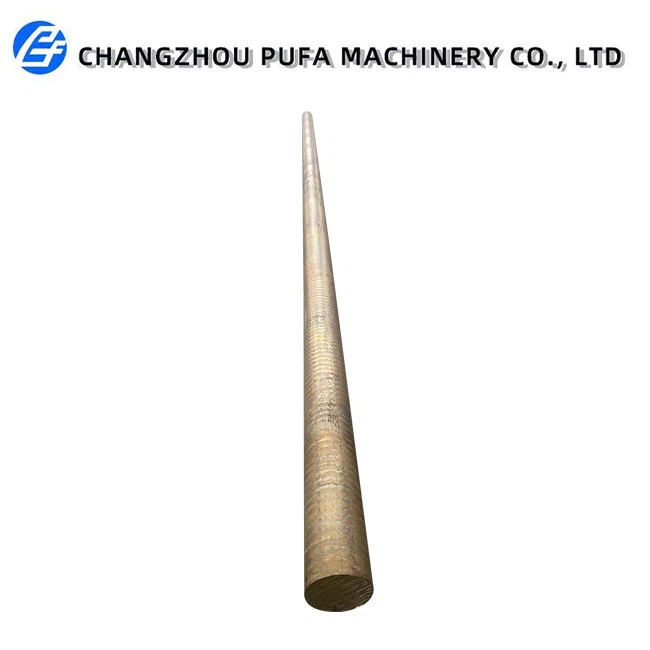
Despite these challenges, aluminum bronzes are still widely used in marine applications because they offer a good balance of strength and corrosion resistance. Some aluminum bronzes, like those with higher nickel or manganese content, are more resistant to saltwater corrosion. You can check out our Aluminum Bronze Rod, which is often used in marine structures and has been designed to withstand the harsh saltwater environment.

Corrosion in Industrial Environments
Industrial environments can be extremely diverse, and the corrosion rates of aluminum bronzes can vary widely depending on the specific conditions. In some industries, like chemical processing, the metal may be exposed to strong acids, alkalis, or other corrosive chemicals.
For example, in a chemical plant that produces sulfuric acid, the aluminum bronze may be exposed to high concentrations of sulfuric acid vapor. Sulfuric acid is a very strong acid that can quickly corrode most metals, including aluminum bronzes. The corrosion rate will depend on the concentration of the acid, the temperature, and the exposure time.
In other industrial settings, like power plants, the aluminum bronze may be exposed to high - temperature steam. High - temperature steam can cause oxidation of the metal, which can lead to the formation of thick oxide scales. These scales can flake off, exposing fresh metal to further oxidation.
However, some industrial environments are relatively benign. For example, in a food processing plant, the aluminum bronze may be exposed to mild cleaning agents and food products, which generally have a low corrosion potential.
Corrosion in Atmospheric Environments
Atmospheric corrosion is also an important consideration. The corrosion rate of aluminum bronzes in the atmosphere depends on factors like humidity, temperature, and the presence of pollutants.
In a coastal atmosphere, where the air contains salt particles, the corrosion rate can be higher. The salt particles can absorb moisture from the air, creating a thin layer of electrolyte on the surface of the metal. This electrolyte can facilitate the corrosion process.
In an urban or industrial atmosphere, pollutants like sulfur dioxide and nitrogen oxides can react with the moisture in the air to form acids. These acids can then corrode the aluminum bronze. For example, sulfur dioxide can react with water to form sulfurous acid, which can break down the protective oxide layer on the metal.
On the other hand, in a dry, clean atmosphere, the corrosion rate of aluminum bronzes is very low. The lack of moisture and pollutants means that there is little opportunity for corrosion to occur.
Controlling Corrosion Rates
So, how can we control the corrosion rates of aluminum bronzes in different environments? One way is to choose the right alloy composition. As I mentioned earlier, adding elements like nickel, manganese, or iron can improve the corrosion resistance of aluminum bronzes.
Another option is to use protective coatings. Coatings can act as a physical barrier between the metal and the corrosive environment. There are many different types of coatings available, including paint, epoxy, and zinc - rich primers.
Proper maintenance is also crucial. Regular cleaning and inspection can help identify any signs of corrosion early on. If corrosion is detected, it can be treated before it becomes a major problem. For example, if there is pitting corrosion, the pits can be filled with a suitable filler material, and a new protective coating can be applied.
Conclusion
In conclusion, the corrosion rates of aluminum bronzes vary significantly in different environments. From the relatively mild conditions of freshwater to the harsh saltwater and industrial environments, each setting presents its own challenges. But with the right alloy selection, protective coatings, and maintenance, we can ensure that aluminum bronzes perform well and have a long service life.
If you're in the market for high - quality aluminum bronzes, whether it's our Aluminum Bronze Pipe Casting Hollow Bar or Aluminum Bronze SOLID ROUND BAR, we're here to help. We have a wide range of products that are designed to meet the specific needs of different industries and environments. If you have any questions or want to discuss your requirements, don't hesitate to reach out and start a procurement discussion.
References
- Jones, D. A. (1992). Principles and Prevention of Corrosion. Prentice Hall.
- Fontana, M. G. (1986). Corrosion Engineering. McGraw - Hill.
- Uhlig, H. H., & Revie, R. W. (1985). Corrosion and Corrosion Control. Wiley - Interscience.