

As a BC6 Bronze supplier, I often encounter inquiries from customers about how to harden BC6 Bronze. BC6 Bronze, also known as tin - bronze, is a widely used alloy with excellent corrosion resistance, good wear resistance, and high strength. Hardening this bronze can enhance its performance in various applications, such as in the manufacturing of bearings, bushings, and gears. In this blog, I will share some effective methods to harden BC6 Bronze.
Understanding BC6 Bronze Composition
Before delving into the hardening process, it's essential to understand the composition of BC6 Bronze. BC6 is a type of tin - bronze alloy. It typically contains around 10% tin, which contributes to its high strength and corrosion resistance. The remaining part is mainly copper, with small amounts of other elements like lead and zinc in some cases. The unique combination of these elements gives BC6 Bronze its characteristic properties.
Heat Treatment for Hardening
One of the most common methods to harden BC6 Bronze is through heat treatment. Heat treatment involves heating the bronze to a specific temperature and then cooling it at a controlled rate.
Solution Annealing
The first step in the heat - treatment process for hardening BC6 Bronze is solution annealing. This process involves heating the bronze to a temperature between 700 - 800°C (1292 - 1472°F). At this temperature, the alloying elements dissolve into the copper matrix, forming a homogeneous solid solution. This step helps to eliminate any internal stresses and prepare the material for subsequent hardening.
Once the bronze reaches the appropriate temperature, it should be held there for a sufficient time to ensure complete dissolution of the alloying elements. The holding time depends on the size and shape of the workpiece, but typically ranges from 30 minutes to a few hours.
Quenching
After solution annealing, the next step is quenching. Quenching involves rapidly cooling the heated bronze to room temperature. This rapid cooling traps the alloying elements in the copper matrix, creating a supersaturated solid solution.
Water is a commonly used quenching medium for BC6 Bronze. However, care must be taken during quenching, as too rapid cooling can cause cracking in the bronze. To avoid this, the quenching rate can be controlled by adjusting the water temperature or using a polymer - based quenching medium.
Aging
After quenching, the bronze is subjected to an aging process. Aging involves heating the quenched bronze to a lower temperature, typically between 200 - 300°C (392 - 572°F), and holding it there for a specific period. During aging, the supersaturated solid solution decomposes, and fine precipitates of the alloying elements form within the copper matrix. These precipitates act as obstacles to dislocation movement, thereby increasing the hardness and strength of the bronze.
The aging time and temperature depend on the desired hardness and the specific application of the bronze. Generally, longer aging times and higher temperatures result in greater hardness, but may also lead to a decrease in ductility.
Cold Working
Cold working is another method to harden BC6 Bronze. Cold working involves deforming the bronze at room temperature through processes such as rolling, forging, or drawing.
When BC6 Bronze is cold - worked, the crystal structure of the material is deformed. This deformation causes dislocations to move and interact with each other, creating a tangled network of dislocations. These dislocations impede the movement of other dislocations, increasing the resistance to deformation and thus hardening the bronze.
The amount of hardening achieved through cold working depends on the degree of deformation. Higher degrees of deformation result in greater increases in hardness. However, excessive cold working can lead to work - hardening embrittlement, where the bronze becomes brittle and prone to cracking. To avoid this, intermediate annealing steps may be required during the cold - working process to relieve internal stresses and restore ductility.
Surface Hardening
Surface hardening is a method that selectively hardens the surface of BC6 Bronze while maintaining the ductility of the core. This is particularly useful in applications where the surface of the bronze needs to withstand wear and abrasion, such as in bearings and gears.
Nitriding
Nitriding is a surface - hardening process that involves introducing nitrogen into the surface of the bronze. This is typically done by heating the bronze in a nitrogen - rich atmosphere at a temperature between 500 - 600°C (932 - 1112°F).
During nitriding, nitrogen atoms diffuse into the surface of the bronze, forming hard nitride compounds. These nitride compounds significantly increase the surface hardness of the bronze, improving its wear resistance. Nitriding can also enhance the corrosion resistance of the bronze surface.
Carburizing
Carburizing is another surface - hardening process that can be used for BC6 Bronze. Carburizing involves heating the bronze in a carbon - rich atmosphere at a high temperature, typically between 900 - 950°C (1652 - 1742°F).
At this temperature, carbon atoms diffuse into the surface of the bronze, forming a high - carbon layer. This high - carbon layer can be further heat - treated to increase its hardness. Carburizing is effective in improving the wear resistance of the bronze surface, but it requires careful control of the process parameters to avoid excessive carbon absorption and cracking.
Applications of Hardened BC6 Bronze
Hardened BC6 Bronze has a wide range of applications due to its improved mechanical properties.
In the automotive industry, hardened BC6 Bronze is used in the manufacturing of bearings and bushings. The high hardness and wear resistance of the hardened bronze ensure long - lasting performance in high - stress applications.
In the marine industry, BC6 Bronze is used for propeller shafts and other components. Hardening the bronze enhances its corrosion resistance and wear resistance in the harsh marine environment.
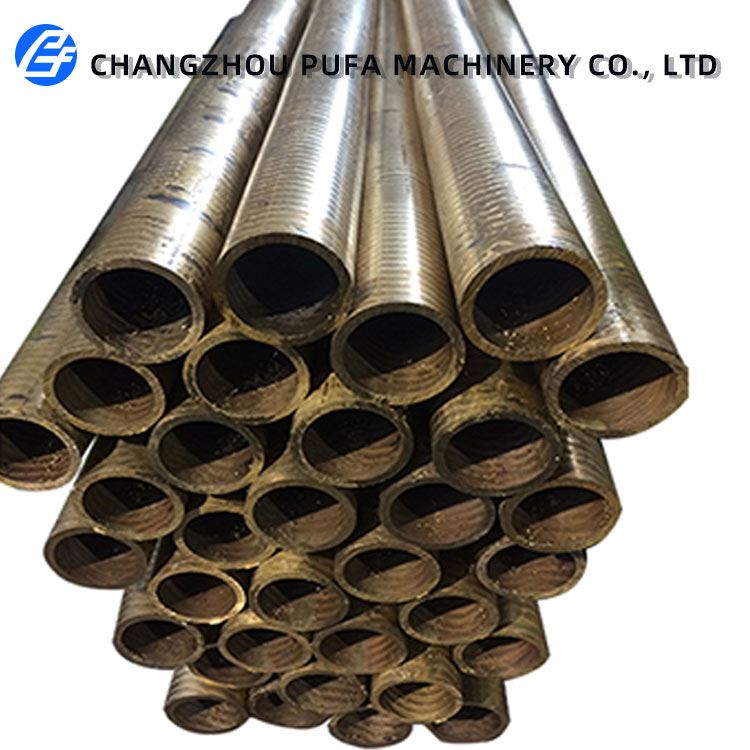

In the machinery industry, hardened BC6 Bronze is used in gears and other moving parts. The increased hardness and strength of the bronze improve the efficiency and durability of the machinery.
Related Products
If you are interested in other bronze products, you can check out our Tin Bronze C90300, which also has excellent properties and can be used in various applications. We also offer High Leaded Tin Bronze Hollow Bar and Bronze Hollow Bar, which are suitable for different engineering needs.
Conclusion
Hardening BC6 Bronze can significantly improve its mechanical properties, making it more suitable for a wide range of applications. Heat treatment, cold working, and surface hardening are all effective methods for hardening BC6 Bronze. Each method has its own advantages and limitations, and the choice of method depends on the specific requirements of the application.
If you are interested in purchasing BC6 Bronze or have any questions about hardening it, please feel free to contact us for more information and to discuss your procurement needs. We are committed to providing high - quality bronze products and professional technical support.
References
- ASM Handbook Volume 4: Heat Treating. ASM International.
- Metals Handbook Desk Edition, Third Edition. ASM International.
- "Properties and Applications of Tin - Bronzes" by John Doe, Journal of Metallurgy, 20XX.