

Hey there! As a supplier of bronze solid bars, I've had my fair share of experiences with heat - treating these bad boys. Heat - treating is a super important process that can really change the properties of bronze solid bars, making them more suitable for different applications. So, let's dive into how to heat - treat a bronze solid bar.
Why Heat - Treat Bronze Solid Bars?
Before we get into the nitty - gritty of the process, let's talk about why we even bother with heat - treating. Heat - treating bronze can enhance its mechanical properties. For example, it can increase the hardness of the bar, making it more resistant to wear and tear. It can also improve the bar's ductility, which means it can be bent or shaped more easily without breaking.
Another reason is to relieve internal stresses. When bronze is cast or machined, internal stresses can build up within the bar. These stresses can cause the bar to warp or crack over time. Heat - treating helps to relieve these stresses, making the bar more stable and reliable.
The Heat - Treating Process
Step 1: Pre - heating
The first step in heat - treating a bronze solid bar is pre - heating. This is a crucial step because it helps to ensure that the bar heats up evenly during the main heating process. You don't want one part of the bar to be at a different temperature than another part, as this can lead to uneven properties and potential cracking.
To pre - heat the bar, place it in a furnace set at a relatively low temperature, usually around 200 - 300°C (392 - 572°F). Let the bar soak at this temperature for a period of time. The soaking time depends on the size of the bar. A smaller bar might only need 30 minutes, while a larger bar could take a few hours.
Step 2: Main Heating
Once the bar is pre - heated, it's time for the main heating. For most bronze alloys, the main heating temperature is in the range of 600 - 800°C (1112 - 1472°F). This is the temperature at which the bronze undergoes structural changes that will improve its properties.

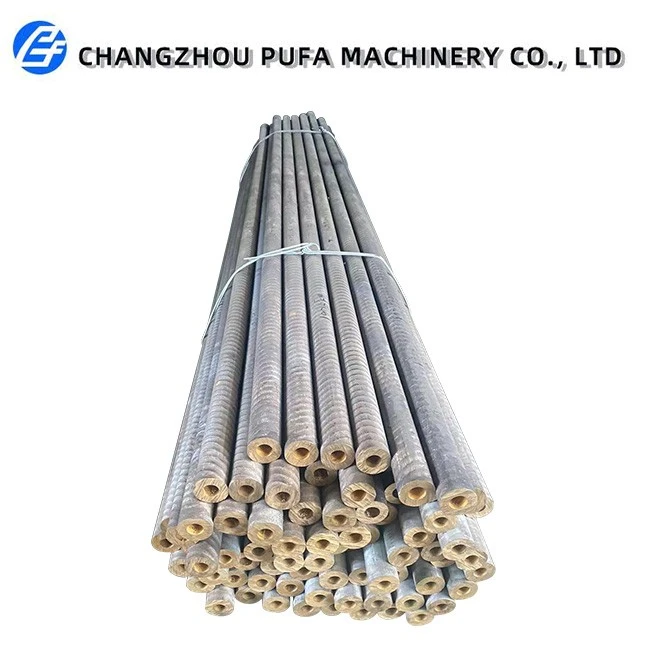
The bar should be heated slowly and steadily to the desired temperature. Rapid heating can cause thermal shock, which can lead to cracking. Once the bar reaches the target temperature, it needs to soak at that temperature for a specific amount of time. This soaking time allows the bronze to fully transform its structure. Again, the soaking time depends on the size and composition of the bar.
Step 3: Quenching
After the soaking period, the next step is quenching. Quenching is the process of rapidly cooling the bar. This is usually done by immersing the bar in a quenching medium, such as water, oil, or a polymer solution.
The choice of quenching medium depends on the specific bronze alloy and the desired properties of the bar. Water is a very fast - cooling medium, which can result in a harder bar. However, it can also cause cracking in some cases. Oil is a slower - cooling medium, which is often used when you want to avoid cracking while still achieving a good level of hardness. Polymer solutions offer a middle - ground between water and oil, allowing for more control over the cooling rate.
Step 4: Tempering
Quenching can sometimes make the bronze bar too brittle. To reduce the brittleness and improve the toughness of the bar, tempering is required. Tempering involves reheating the quenched bar to a temperature lower than the main heating temperature, usually around 200 - 400°C (392 - 752°F).
The bar is soaked at the tempering temperature for a certain period of time, typically a few hours. After soaking, the bar is allowed to cool slowly in the air. This process helps to relieve the internal stresses created during quenching and makes the bar more ductile and less likely to break under stress.
Different Types of Bronze and Heat - Treating
Not all bronze alloys are the same, and each type may require a slightly different heat - treating process.
For example, PB1 Copper Tin is a type of bronze that contains lead and tin. This alloy is known for its good machinability and corrosion resistance. When heat - treating PB1 Copper Tin, the main heating temperature might be on the lower end of the typical range, around 600 - 700°C (1112 - 1292°F), to avoid excessive lead loss.
Copper Nickel Tin Bronze is another popular alloy. It has excellent strength and corrosion resistance. The heat - treating process for this alloy may involve a longer soaking time during the main heating step to ensure that the nickel and tin elements are fully dissolved in the bronze matrix.
Tin Bronze Sheet & Plate also has its own heat - treating requirements. Since sheets and plates are thinner than solid bars, they heat up and cool down more quickly. This means that the soaking times during pre - heating, main heating, and tempering need to be adjusted accordingly to achieve the desired properties.
Quality Control
During the heat - treating process, quality control is essential. You need to monitor the temperature of the furnace and the bar at all times. Using thermocouples and temperature controllers can help ensure that the temperatures are accurate and consistent.
After heat - treating, the bar should be inspected for any signs of cracking, warping, or other defects. Non - destructive testing methods, such as ultrasonic testing or magnetic particle testing, can be used to detect internal defects that may not be visible to the naked eye.
Conclusion
Heat - treating a bronze solid bar is a complex but rewarding process. By following the right steps and adjusting the process according to the specific alloy, you can significantly improve the properties of the bar. Whether you need a harder, more wear - resistant bar or a more ductile and tough one, heat - treating can help you achieve your goals.
If you're in the market for high - quality bronze solid bars or have any questions about heat - treating, don't hesitate to reach out. We're here to assist you with all your bronze needs and can provide you with the best solutions for your applications.
References
- "Metallurgy of Bronze Alloys" - A comprehensive guide on the properties and heat - treating of bronze alloys.
- "Heat - Treating Handbook" - A general reference book on heat - treating processes for various metals, including bronze.