

Is a bronze solid bar resistant to abrasion? Well, let me tell you, as a supplier of bronze solid bars, I've got a lot to say on this topic.
First off, bronze is an alloy mainly made up of copper and tin, but it can also have other elements mixed in. This combination gives bronze some pretty unique properties, and abrasion resistance is one of them.
Let's dig a bit deeper into what makes bronze solid bars resistant to abrasion. The structure of bronze plays a huge role. The atoms in bronze are arranged in a way that creates a strong and stable lattice. This lattice can withstand the friction and wear that comes with abrasion. When a hard object rubs against a bronze solid bar, the atoms in the bronze don't just easily break away. Instead, they hold their ground, reducing the amount of material that gets worn off.
Another factor is the hardness of bronze. Compared to some other metals, bronze is relatively hard. Hardness is closely related to abrasion resistance. A harder material is generally more resistant to being scratched or worn down. For example, if you have a bronze solid bar and a bar made of a softer metal, say, pure copper, and you subject both to the same amount of abrasion, the bronze bar will show less wear.
Now, there are different types of bronze alloys, and each has its own level of abrasion resistance. Take High Tin Bronze Alloys. These alloys have a higher percentage of tin, which can increase their hardness and, in turn, their abrasion resistance. High tin bronze alloys are often used in applications where there's a lot of friction, like in bearings or gears. The extra tin helps the bronze withstand the constant rubbing and spinning, making it last longer.
On the other hand, Leaded Bronze Alloys have lead added to the mix. Lead can improve the machinability of the bronze, but it also has an impact on abrasion resistance. The lead particles in the alloy can act as lubricants. When the bronze solid bar is in use and experiencing abrasion, the lead particles can reduce the friction between the bar and the other surface. This means less wear and tear on the bronze bar.

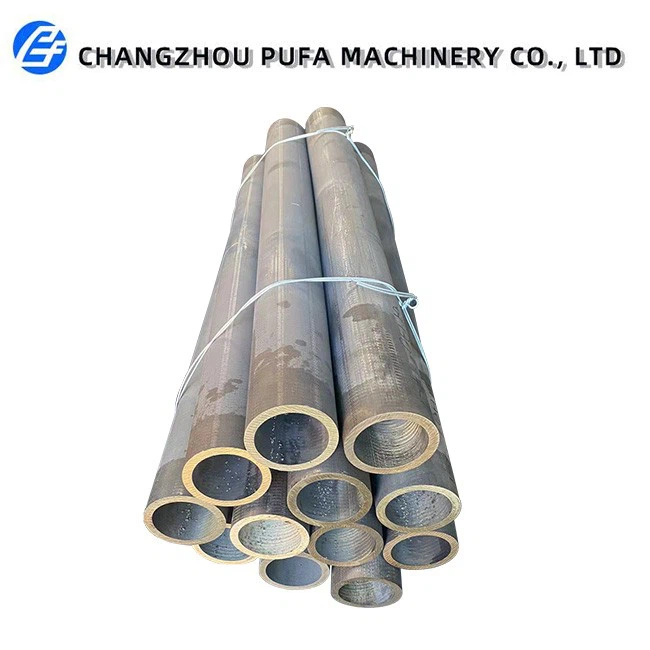
But it's not just about the composition of the bronze. The manufacturing process also matters. When we make bronze solid bars, we use techniques that ensure the bars have a uniform structure. This uniformity is crucial for abrasion resistance. If there are weak spots or inconsistencies in the bar, those areas are more likely to wear out quickly. We take great care in melting, casting, and finishing the bars to make sure they're as strong and resistant to abrasion as possible.
Let's talk about some real - world applications where the abrasion resistance of bronze solid bars is put to the test. In the automotive industry, bronze solid bars are used in various parts. For example, they can be found in the engine, where there's a lot of movement and friction. Pistons, connecting rods, and valve guides might use bronze components. The abrasion resistance of the bronze ensures that these parts can handle the high - speed movement and constant rubbing without wearing out too quickly.
In the marine industry, bronze solid bars are also widely used. The saltwater environment is extremely harsh, and metals are constantly exposed to corrosion and abrasion. Bronze's resistance to both corrosion and abrasion makes it a great choice for things like propeller shafts, rudder bearings, and boat fittings. The bars can withstand the rough conditions of the sea, including the sand and debris in the water that can cause abrasion.
If you're in the construction industry, you might use bronze solid bars in door hinges, window frames, or other hardware. These parts are constantly being opened and closed, which means they experience a lot of friction. The abrasion resistance of bronze ensures that these hardware items will last a long time, even with frequent use.
Now, I know you might be wondering how to tell if a bronze solid bar is really resistant to abrasion. One way is to look at the specifications provided by the supplier. A good supplier, like us, will give you detailed information about the alloy composition, hardness, and abrasion resistance of the bars. You can also ask for samples. We're more than happy to send you a small piece of the bronze solid bar so you can test it yourself. You can try rubbing it against a hard surface or subject it to some other form of abrasion and see how it holds up.
Another thing to consider is the finish of the bronze solid bar. A smooth finish can reduce friction and, therefore, abrasion. We use advanced finishing techniques to make sure our bars have a smooth surface. This not only improves the abrasion resistance but also gives the bars a nice appearance.
In conclusion, bronze solid bars are generally very resistant to abrasion. Thanks to their unique composition, structure, and the manufacturing processes used to make them, they can handle a lot of wear and tear. Whether you're in the automotive, marine, construction, or any other industry that requires durable materials, bronze solid bars are a great choice.
If you're interested in purchasing bronze solid bars, especially our high - quality Tin Bronze Round Bar, we'd love to have a chat with you. We can discuss your specific needs, answer any questions you have, and provide you with a competitive quote. Don't hesitate to reach out to us for more information and to start the procurement process.
References
- "Metallurgy of Bronze Alloys" - A comprehensive book on the science behind bronze alloys and their properties.
- Industry reports on the use of bronze in different sectors, highlighting its abrasion - resistant qualities.