

Hey there! As an aluminum bronze supplier, I often get asked a pretty important question: "Is aluminum bronze toxic?" It's a concern that makes total sense, especially when you're thinking about using this material in different applications. So, let's dig into this topic and clear up any confusion.
First off, let's understand what aluminum bronze is. It's an alloy, which means it's a mixture of different metals. The main components are copper and aluminum, but it can also have other elements like iron, nickel, and manganese. Aluminum bronze is known for its excellent strength, corrosion resistance, and wear resistance, which makes it a popular choice in various industries, from marine to automotive.
Now, let's talk about the toxicity part. In general, aluminum bronze isn't considered highly toxic under normal conditions. Copper, one of the primary elements, is an essential trace element for humans. Our bodies need a small amount of copper for proper functioning, like for making red blood cells and maintaining a healthy immune system. However, too much copper can be harmful. But the levels of copper in aluminum bronze are usually within safe limits, and it doesn't readily release copper ions into the environment.
Aluminum is another key component. Aluminum is everywhere in our daily lives, from the foil we use in the kitchen to the frames of our windows. In aluminum bronze, the aluminum forms a protective oxide layer on the surface, which helps prevent corrosion. While high levels of aluminum exposure can be a concern in some cases, the aluminum in aluminum bronze is tightly bound in the alloy structure and doesn't pose a significant risk of leaching into the environment.
The other elements in aluminum bronze, such as iron, nickel, and manganese, also have their own safety profiles. Iron is an essential nutrient for humans, and it's commonly found in our diet. Nickel can cause allergic reactions in some people, but the amount of nickel in aluminum bronze is usually low, and it's not likely to cause problems for most individuals. Manganese is also an essential trace element, and in the amounts present in aluminum bronze, it's not a major concern.
However, there are some situations where aluminum bronze could potentially pose a risk. For example, if you're working with aluminum bronze in a manufacturing process that involves grinding, welding, or cutting, you may generate dust or fumes. Inhaling these dust particles or fumes can be harmful, especially if you're exposed to them over a long period. That's why it's important to follow proper safety procedures, such as wearing protective equipment like masks and goggles, and working in a well-ventilated area.
Another thing to consider is the application of aluminum bronze. If it's used in a food or beverage contact application, there are specific regulations and standards that need to be followed to ensure that the material is safe. In most cases, aluminum bronze can be used safely in these applications as long as it meets the relevant requirements.
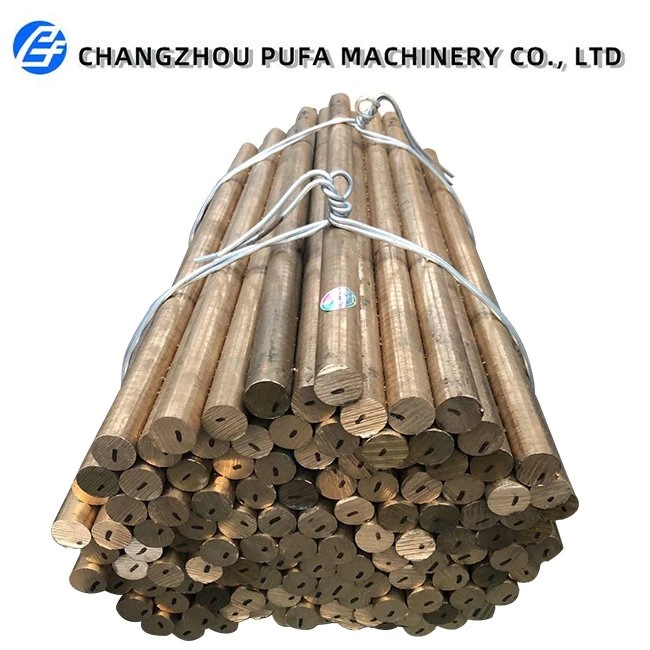
Now, let's take a look at some of the products we offer as an aluminum bronze supplier. We have a wide range of aluminum bronze products, including AB2 Aluminum Bronze Rod Bar, C95500 Nickel Aluminum Bronze, and Aluminum Bronze Plate. These products are made from high-quality aluminum bronze alloys and are suitable for a variety of applications.
Our AB2 Aluminum Bronze Rod Bar is known for its excellent mechanical properties and corrosion resistance. It's commonly used in marine applications, such as propellers, shafts, and valves. The C95500 Nickel Aluminum Bronze is a high-strength alloy that's often used in heavy-duty applications, like mining equipment and industrial machinery. And our Aluminum Bronze Plate is a versatile product that can be used in various structural and decorative applications.

If you're considering using aluminum bronze in your project, it's important to do your research and make sure it's the right material for your needs. You should also follow all safety guidelines and regulations when handling and working with aluminum bronze. If you have any specific questions or concerns about the toxicity of aluminum bronze or its suitability for your application, don't hesitate to reach out to us.
As an aluminum bronze supplier, we're committed to providing our customers with high-quality products and excellent customer service. We can help you choose the right aluminum bronze alloy for your project and provide you with all the information you need to make an informed decision. Whether you're a small business or a large corporation, we're here to support you.
So, if you're interested in purchasing aluminum bronze products, such as our AB2 Aluminum Bronze Rod Bar, C95500 Nickel Aluminum Bronze, or Aluminum Bronze Plate, please don't hesitate to contact us. We'd love to discuss your requirements and help you find the perfect solution for your project.
In conclusion, while there are some potential risks associated with aluminum bronze in certain situations, it's generally a safe and reliable material when used properly. By following safety guidelines and working with a reputable supplier, you can enjoy the many benefits of aluminum bronze without worrying about its toxicity.
References
- "Metals and Alloys in the Environment" by John O. Nriagu
- "Handbook of Corrosion Data" by Bruce D. Craig