

Hey there! As a supplier of C93200 Tin Bronze, I often get asked whether this alloy is suitable for machining. Well, let's dive right into it and explore the ins and outs of using C93200 Tin Bronze in machining processes.
First off, let's talk a bit about what C93200 Tin Bronze is. C93200 is a type of leaded tin bronze alloy. Leaded bronze alloys, like the ones you can learn more about here, are known for their excellent machinability. This is because the lead in the alloy acts as a lubricant during the machining process, reducing friction between the cutting tool and the workpiece.
When it comes to machining, one of the key factors we look at is how easily the material can be cut, shaped, and formed. C93200 Tin Bronze scores pretty high in this department. The presence of lead in the alloy means that chips break off cleanly during machining, which is a huge plus. Clean chip breakage helps prevent the chips from getting tangled in the cutting tool or the workpiece, which can lead to poor surface finishes and even damage to the tool.
Another advantage of C93200 Tin Bronze in machining is its relatively low hardness. Compared to some other bronze alloys, C93200 is softer, which makes it easier for cutting tools to penetrate the material. This results in less wear and tear on the tools, meaning you can use them for longer periods without having to replace them as frequently. This not only saves you money on tooling costs but also reduces downtime for tool changes, which can really boost your productivity.
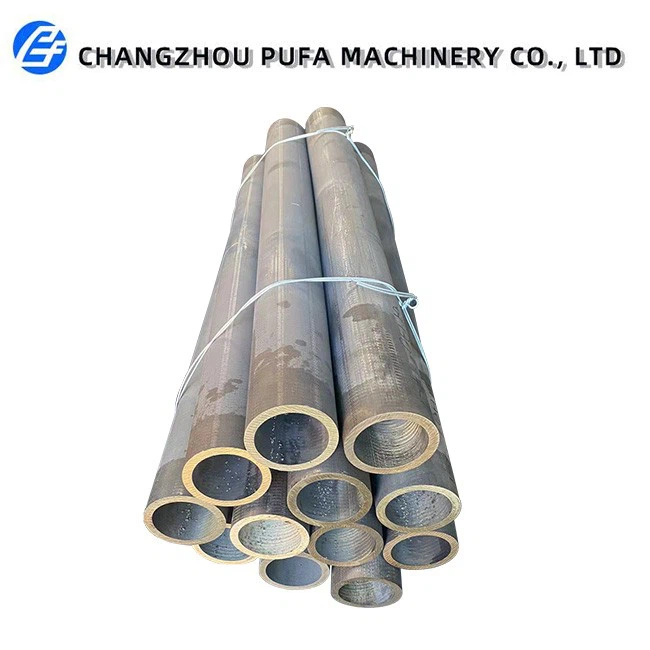

In addition to its good machinability, C93200 Tin Bronze also offers excellent dimensional stability. This means that once you've machined a part to the desired specifications, it's less likely to warp or change shape over time. This is particularly important in applications where precise dimensions are crucial, such as in the manufacturing of bearings, bushings, and other precision components.
Now, let's talk about the different machining processes that C93200 Tin Bronze is well-suited for. Turning is one of the most common machining processes, and C93200 performs really well in this operation. Whether you're using a lathe to create cylindrical parts or to cut threads, the alloy's good chip breakage and low hardness make it easy to achieve smooth, accurate cuts.
Milling is another process where C93200 shines. Whether you're doing face milling, end milling, or contour milling, the alloy responds well to the cutting forces involved. You can achieve high-quality surface finishes with minimal burrs, which is great if you're looking to produce parts with a professional appearance.
Drilling is also a breeze with C93200 Tin Bronze. The lead in the alloy helps to lubricate the drill bit, reducing friction and heat buildup. This not only makes it easier to drill holes but also helps to prevent the drill bit from wearing out too quickly. And because the chips break off cleanly, you don't have to worry about them clogging up the drill bit or causing other problems.
Of course, like any material, C93200 Tin Bronze does have a few limitations when it comes to machining. One thing to keep in mind is that the lead in the alloy can be a health hazard if proper safety precautions aren't taken. When machining C93200, it's important to use appropriate ventilation systems to remove any dust or fumes that may be generated. You should also wear protective gear, such as gloves and masks, to avoid direct contact with the material.
Another limitation is that C93200 may not be the best choice for applications that require extremely high strength or hardness. While it's a relatively strong alloy, there are other bronze alloys, such as High Tin Bronze Alloys, that offer better mechanical properties. So, if you're working on a project that demands high strength or hardness, you may need to consider a different alloy.
Despite these limitations, C93200 Tin Bronze remains a popular choice for many machining applications. Its combination of good machinability, dimensional stability, and relatively low cost make it a versatile and cost-effective option for a wide range of industries.
If you're in the market for C93200 Tin Bronze for your machining projects, we've got you covered. We offer high-quality Leaded Tin Bronze Bar in a variety of sizes and shapes to meet your specific needs. Our team of experts is also on hand to provide you with technical support and advice to ensure that you get the most out of our products.
So, if you're interested in learning more about C93200 Tin Bronze or if you'd like to place an order, don't hesitate to get in touch. We're always happy to help you find the right solution for your machining needs. Whether you're a small workshop or a large manufacturing facility, we've got the products and the expertise to support your business.
In conclusion, C93200 Tin Bronze is definitely a suitable choice for machining. Its good machinability, dimensional stability, and cost-effectiveness make it a great option for a wide range of applications. While it does have some limitations, with proper safety precautions and careful consideration of your specific requirements, you can achieve excellent results with this alloy. So, why not give it a try and see for yourself?
References:
- "Metals Handbook: Properties and Selection: Nonferrous Alloys and Pure Metals", ASM International
- "Machining of Metals: An Introduction to the Mechanics and Processes of Cutting and Grinding", Paul R. Koenigsberger and David J. Armitage