

Hey there! As a supplier of Tin Bronze Rod, I've had my fair share of dealing with all sorts of questions about these nifty rods. One question that pops up quite often is about the casting properties of tin bronze rod. So, I thought I'd sit down and write this blog to share what I know.
First off, let's talk about what tin bronze is. Tin bronze is an alloy that's mainly made up of copper and tin. Sometimes, other elements like zinc, lead, or nickel are also added to enhance certain properties. This alloy has been around for ages and has been used in a wide range of applications, from sculptures to mechanical parts.

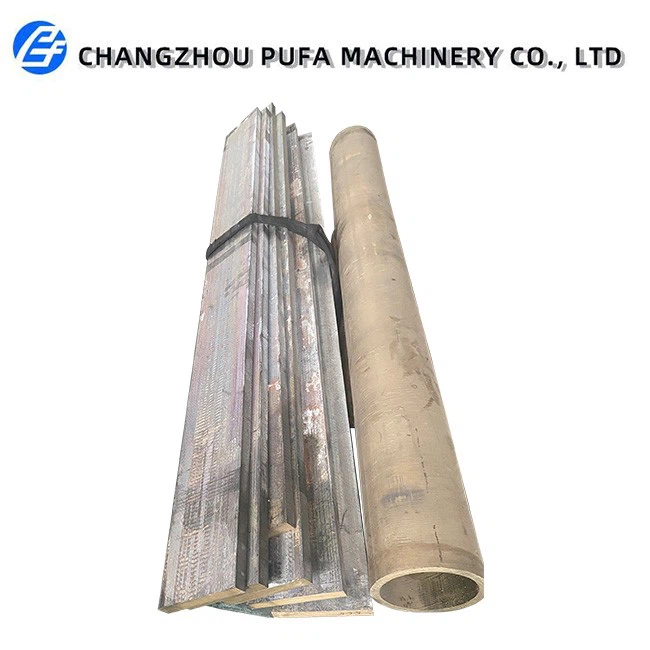
Now, let's dive into the casting properties of tin bronze rod. One of the most notable properties is its excellent fluidity. When you're casting, fluidity is super important because it determines how well the molten metal can fill the mold. Tin bronze has great fluidity, which means it can easily flow into even the most intricate mold cavities. This is a huge advantage when you're making complex parts with detailed designs. Whether you're creating a small, delicate component or a large, elaborate sculpture, the good fluidity of tin bronze rod ensures that the final product will have sharp details and accurate dimensions.
Another great thing about tin bronze is its low shrinkage rate. Shrinkage can be a real headache in the casting process. When the metal cools and solidifies, it usually shrinks, and if the shrinkage is too much, it can lead to defects like cracks, porosity, or warping in the final product. But with tin bronze, the shrinkage rate is relatively low. This means that the cast part will closely match the dimensions of the mold, reducing the need for extensive machining or finishing work. You can get a high - quality cast product right out of the mold, which saves time and money.
Tin bronze also has good hot shortness resistance. Hot shortness is a phenomenon where a metal becomes brittle at high temperatures during the casting process. This can cause the metal to crack or break when it's being poured or handled in its molten state. Tin bronze's resistance to hot shortness makes it more forgiving during casting. You can work with it at relatively high temperatures without having to worry too much about it breaking apart. This gives you more flexibility in the casting process and allows for a smoother production flow.
In addition to these properties, tin bronze has good corrosion resistance. Once the casting is done, the final product will be able to withstand exposure to various environments without corroding easily. This is especially important for applications where the part will be exposed to moisture, chemicals, or other corrosive substances. For example, in marine applications, tin bronze rods can be used to make parts like propellers, valves, and fittings that need to resist the corrosive effects of saltwater.
Now, let's talk about some of the different types of tin bronze rods that we offer. We have Copper Nickel Tin Bronze. This type of tin bronze has enhanced strength and corrosion resistance due to the addition of nickel. It's a great choice for applications that require high - performance materials, such as in the aerospace or automotive industries. The copper - nickel - tin combination gives it excellent mechanical properties and makes it suitable for parts that need to withstand high stress and harsh environments.
We also have Round Leaded Tin Bronze Rods. The addition of lead to tin bronze improves its machinability. If you need to do a lot of machining on the cast part, like drilling, turning, or milling, round leaded tin bronze rods are a great option. The lead helps the cutting tools to work more smoothly, reducing tool wear and improving the surface finish of the machined part.
And then there's Tin Bronze Sheet & Plate. While we're mainly talking about rods here, the casting properties of tin bronze are also relevant for sheets and plates. The same good fluidity, low shrinkage, and corrosion resistance apply. Whether you're using tin bronze in rod, sheet, or plate form, you can expect high - quality cast products.
When it comes to the applications of tin bronze rods, the possibilities are endless. In the art world, artists love using tin bronze to create beautiful sculptures. The excellent casting properties allow them to bring their creative visions to life with precision and detail. In the industrial sector, tin bronze rods are used to make bearings, bushings, gears, and other mechanical parts. The good mechanical properties and corrosion resistance make these parts reliable and long - lasting.
If you're in the market for tin bronze rods, I'd love to have a chat with you. Whether you're a small - scale artist looking for a high - quality material for your next project or a large - scale manufacturer in need of a reliable supplier for your production line, we've got you covered. Our tin bronze rods are made to the highest standards, and we can provide you with the right type of rod for your specific application.
So, if you're interested in learning more about our tin bronze rods or want to place an order, don't hesitate to reach out. We're here to help you get the best casting results with our top - notch tin bronze rods.
References
- Metals Handbook: Properties and Selection: Nonferrous Alloys and Pure Metals, Volume 2, ASM International
- "Introduction to Casting Processes" by John Campbell
- "Alloying Elements in Copper Alloys" by Copper Development Association