

Yo, what's up everyone! As an aluminum bronze supplier, I often get asked about the differences between aluminum bronze and copper - aluminum alloys. So, I thought I'd write this blog to clear up any confusion and give you the low - down on these two materials.
First off, let's talk a bit about what these materials are. Aluminum bronze is a type of bronze where aluminum is the main alloying element added to copper. Copper - aluminum alloys, on the other hand, is a broader term that encompasses all alloys with copper and aluminum as their key components.
Composition
In aluminum bronze, aluminum content usually ranges from about 5% to 11%. In some special cases, other elements like nickel, iron, and manganese are also added. For example, C63000 Nickel Aluminum Bronze Bars have nickel as an additional alloying element, which enhances its corrosion resistance and mechanical properties.
The composition of copper - aluminum alloys can be more variable. Some copper - aluminum alloys might have a lower aluminum content compared to typical aluminum bronze, and they may contain other elements in different proportions. This wide range of compositions in copper - aluminum alloys means they can have different characteristics depending on the specific mix.
Physical Properties
Color
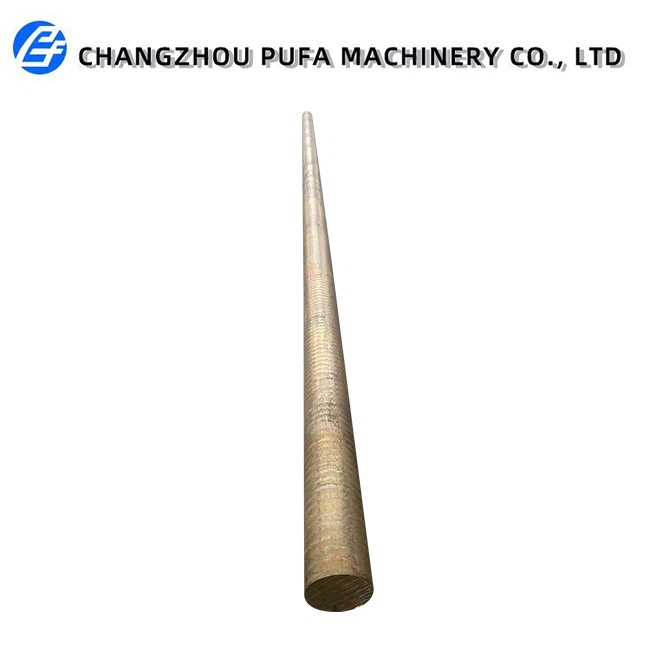
Aluminum bronze typically has a golden - like color. It's quite distinctive and gives a high - end look, which makes it popular in decorative applications. Copper - aluminum alloys, depending on their composition, can have a wider range of colors. Some might be more similar to the color of pure copper, while others can have a duller or more muted appearance.

Density
Aluminum bronze is generally denser than some of the lighter copper - aluminum alloys. The density of aluminum bronze is influenced by the amount of aluminum and other alloying elements. A higher aluminum content can sometimes lead to a lower density compared to copper - rich alloys, but the presence of other heavy elements like nickel and iron can increase the overall density.
Melting Point
The melting point of aluminum bronze is relatively high, usually in the range of 1027 - 1038°C. This high melting point makes it suitable for applications where high - temperature resistance is required. Copper - aluminum alloys, with their varying compositions, can have a wider range of melting points. Some alloys with a lower aluminum content may have a melting point closer to that of pure copper, while those with different alloying elements can have significantly different melting behaviors.
Mechanical Properties
Strength and Hardness
Aluminum bronze is known for its high strength and hardness. This makes it ideal for applications that require parts to withstand heavy loads and wear. For example, Aluminum Bronze SOLID ROUND BAR is often used in machinery parts because of its excellent mechanical properties.
Copper - aluminum alloys, depending on their composition, can have a wide range of strength and hardness values. Some may be softer and more malleable, while others can be as strong as aluminum bronze, but this usually depends on the specific manufacturing process and the exact alloy composition.
Ductility
Aluminum bronze has good ductility, which means it can be easily formed into different shapes. This property is useful in manufacturing processes like forging and machining. Copper - aluminum alloys also have varying degrees of ductility. Alloys with a lower aluminum content and a more balanced composition may have better ductility, while those with a high concentration of hardening elements might be less ductile.
Corrosion Resistance
Aluminum bronze has excellent corrosion resistance, especially in marine and chemical environments. The aluminum in the alloy forms a protective oxide layer on the surface, which prevents further corrosion. This is why Aluminium Bronze AB2 Round Bar is often used in marine applications such as ship propellers and underwater fasteners.
Copper - aluminum alloys' corrosion resistance can vary widely. Some alloys with a lower aluminum content may have less effective corrosion - resistant properties. However, if other corrosion - resistant elements are added, they can also offer good protection against corrosion.
Applications
Aluminum Bronze Applications
Due to its high strength, hardness, and corrosion resistance, aluminum bronze is used in a wide range of industries. In the marine industry, it's used for propellers, pumps, and valves. In the aerospace industry, it's used for components that require high - strength and light - weight materials. It's also used in the manufacturing of bearings, gears, and other mechanical parts.
Copper - Aluminum Alloys Applications
Copper - aluminum alloys are also used in many applications. Some of the more ductile alloys are used in decorative items and electrical components. Alloys with specific properties may be used in automotive parts, heat exchangers, and other industrial applications where a combination of different properties is required.
Cost
The cost of aluminum bronze is generally higher than some of the more common copper - aluminum alloys. This is mainly because of its high - performance properties and the cost of the alloying elements. The manufacturing process of aluminum bronze also requires more precision, which adds to the cost.
Copper - aluminum alloys, with their more variable compositions, can have a wider range of costs. Some simple alloys with a lower content of expensive alloying elements can be more affordable.
So, there you have it, folks! The main differences between aluminum bronze and copper - aluminum alloys. Whether you're looking for high - strength, corrosion - resistant materials or something more affordable and malleable, understanding these differences can help you make the right choice for your project.
If you're interested in purchasing aluminum bronze products or have any questions about our offerings, don't hesitate to reach out. We're here to help you find the perfect material for your needs.
References
- Metals Handbook, Volume 2: Properties and Selection: Nonferrous Alloys and Special - Purpose Materials.
-ASM International. - Aluminum Bronze Alloys: Composition, Properties, and Applications. Industrial Metals Journal.