

As a supplier of aluminum bronzes, I've had the privilege of witnessing firsthand the many advantages these alloys bring to a wide range of industries. Aluminum bronzes are renowned for their excellent corrosion resistance, high strength, and good wear properties, making them suitable for applications in marine, aerospace, and heavy machinery. However, like any material, aluminum bronzes are not without their disadvantages. In this blog post, I'll delve into some of the drawbacks associated with aluminum bronzes to provide a balanced view for potential customers.
High Initial Cost
One of the most significant disadvantages of aluminum bronzes is their relatively high initial cost. The production of aluminum bronzes involves complex processes and the use of expensive raw materials. Aluminum, which is a key component in these alloys, is not as abundant as some other metals, and the alloying elements such as nickel, iron, and manganese further add to the cost. Additionally, the manufacturing processes required to achieve the desired properties of aluminum bronzes, such as melting, casting, and heat treatment, are energy - intensive and require specialized equipment.
This high cost can be a deterrent for some customers, especially those in price - sensitive industries. For example, in the consumer goods industry, where cost - effectiveness is often a top priority, the use of aluminum bronzes may not be feasible. Even in industrial applications, companies may opt for cheaper alternatives like carbon steel or brass if the performance requirements can be met at a lower cost.
Difficulty in Machining
Aluminum bronzes are known for their hardness and strength, which are desirable properties in many applications. However, these same properties make them difficult to machine. The high hardness of aluminum bronzes can cause rapid tool wear, which increases the cost of machining operations. Specialized cutting tools made from high - speed steel or carbide are often required, and these tools are more expensive than those used for machining softer materials.
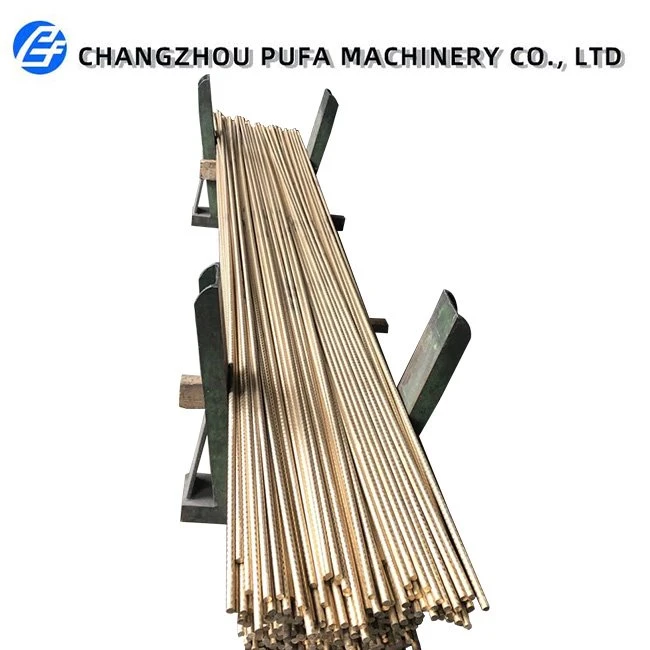

Moreover, the machining process of aluminum bronzes requires careful control of cutting parameters such as cutting speed, feed rate, and depth of cut. Incorrect settings can lead to poor surface finish, dimensional inaccuracies, and even cracking of the workpiece. This means that machining aluminum bronzes requires skilled operators and more time - consuming processes compared to other metals. For instance, when manufacturing components with complex geometries, the machining of aluminum bronzes can be a significant challenge, both in terms of cost and production time.
Susceptibility to Stress Corrosion Cracking
Although aluminum bronzes are generally corrosion - resistant, they are susceptible to stress corrosion cracking (SCC) under certain conditions. SCC occurs when a material is exposed to a corrosive environment while under tensile stress. In the case of aluminum bronzes, factors such as high levels of residual stress from manufacturing processes, exposure to specific corrosive agents like seawater or certain chemicals, and elevated temperatures can increase the risk of SCC.
For example, in marine applications, aluminum bronze components such as propellers and ship fittings are constantly exposed to seawater, which contains chloride ions. These chloride ions can initiate corrosion pits on the surface of the aluminum bronze, and when combined with tensile stress, can lead to the propagation of cracks. Once cracks start to form, they can quickly grow and cause the failure of the component, which can be costly and dangerous, especially in critical applications.
Limited Weldability
Welding aluminum bronzes can be a challenging task. The high aluminum content in these alloys can lead to the formation of aluminum oxide during the welding process. Aluminum oxide has a high melting point and can prevent proper fusion of the weld metal, resulting in poor weld quality. Porosity, cracking, and reduced mechanical properties are common problems associated with welding aluminum bronzes.
Specialized welding techniques and procedures are required to overcome these issues. For example, pre - heating the workpiece and using shielding gases to prevent oxidation are often necessary. Even with these precautions, achieving high - quality welds in aluminum bronzes requires skilled welders and strict quality control measures. This limited weldability can be a drawback in applications where welding is required for assembly or repair, such as in the construction of large structures or the maintenance of machinery.
Brittleness at Low Temperatures
Aluminum bronzes tend to become brittle at low temperatures. As the temperature decreases, the ductility of these alloys decreases, and they become more prone to fracture. This is a significant concern in applications where components are exposed to cold environments, such as in Arctic or high - altitude regions.
For example, in aerospace applications, aluminum bronze components used in aircraft engines or landing gear may be subjected to extremely low temperatures during flight. The brittleness of aluminum bronzes at these temperatures can increase the risk of component failure, which can have serious consequences for the safety of the aircraft. In addition, in cryogenic applications, the use of aluminum bronzes may be limited due to their poor low - temperature performance.
Conclusion
Despite these disadvantages, it's important to note that aluminum bronzes still offer many unique and valuable properties that make them suitable for a wide range of applications. For instance, their excellent corrosion resistance in marine environments and high strength - to - weight ratio are unmatched by many other materials.
If you're considering using aluminum bronzes for your project, it's crucial to carefully weigh the advantages against the disadvantages. At our company, we offer a variety of aluminum bronze products, including C95400 Aluminum Bronzes, Aluminum Bronze Rod And Bar C63000, and Aluminium Bronze Bar. Our team of experts can help you determine if aluminum bronzes are the right choice for your specific needs and provide guidance on how to mitigate the potential disadvantages.
We welcome you to contact us to discuss your procurement requirements. Whether you have questions about the properties of our aluminum bronzes, need advice on machining or welding, or want to get a quote, our team is here to assist you. Let's work together to find the best solution for your project.
References
- ASM Handbook Volume 2: Properties and Selection: Nonferrous Alloys and Special - Purpose Materials
- Metals Handbook Desk Edition, Third Edition
- Corrosion of Metals: An Introduction, Second Edition