

As a bronze bushing supplier, I've had my fair share of customers asking about using bronze bushings in high - pressure situations. Bronze bushings are pretty popular in various industries because they're tough, have good wear resistance, and can handle some amount of load. But like everything, they've got their limitations when it comes to high - pressure scenarios.

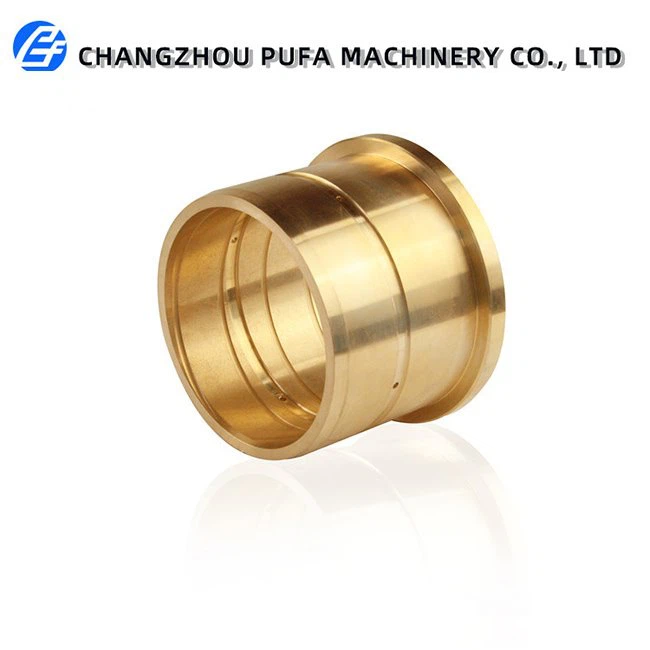
First off, let's talk about the material properties of bronze. Bronze is an alloy mainly made up of copper and tin, with some other elements thrown in depending on the specific type. It's got a decent hardness and strength, which is why it's used in so many applications. However, under extremely high pressure, its hardness might not be enough. High pressure can cause excessive deformation of the bronze bushing. When a bushing deforms, its original shape gets messed up. This means it won't fit properly in the machinery it's supposed to work in. For example, if a bronze bushing in a hydraulic press starts to deform due to high pressure, it can lead to misalignment of parts. This misalignment can cause other components in the system to wear out faster, and might even lead to system failure.
Another big limitation is related to the heat generated under high - pressure conditions. When there's a lot of pressure on the bronze bushing, there's also increased friction between the bushing and the shaft it's in contact with. Friction generates heat, and bronze has a limited ability to dissipate this heat. If the heat builds up too much, it can cause the bronze to soften. Once the bronze softens, its mechanical properties deteriorate rapidly. The softening can lead to more wear and tear on the bushing. For instance, in a high - pressure industrial pump, the continuous high - pressure operation can cause the bronze bushing to heat up. As it softens, it starts to wear away at a much faster rate, reducing its lifespan significantly.
The lubrication aspect is also a major concern in high - pressure situations. Bronze bushings usually rely on a thin film of lubricant to reduce friction and wear. But under high pressure, this lubricant film can get squeezed out. When the lubricant film is lost, the metal - to - metal contact between the bushing and the shaft increases. This not only leads to more friction and heat but also causes abrasive wear. Abrasive wear is when tiny particles of metal are scraped off the surface of the bushing, which can further damage the bushing and the shaft. In a high - pressure engine application, for example, if the lubricant film in the bronze bushings breaks down, it can cause rapid wear and might require frequent replacement of the bushings.
Now, let's take a look at some specific types of bronze bushings and how they fare in high - pressure situations. We have the Lead Bronze Flange. Lead bronze flanges are popular because they have good machinability and anti - seizure properties. However, under high pressure, the lead in the alloy can start to migrate. This migration can change the composition of the bushing at the surface, which affects its performance. The lead might also get squeezed out of the bushing under high pressure, leading to a loss of its beneficial properties.
The Bronze Bearing Bushing Sleeve is another common type. While it's generally durable, high pressure can cause the sleeve to crack. The high - pressure forces can create stress concentrations in the bushing, especially at any pre - existing flaws or weak points. Once a crack starts, it can propagate under continued high - pressure loading, eventually causing the bushing to fail.
The Aluminum Bronze Toggle Bushings are known for their high strength and corrosion resistance. But even they have limitations in high - pressure situations. The high pressure can cause the aluminum in the alloy to react with other elements in the environment, leading to surface degradation. This degradation can reduce the bushing's ability to withstand the high - pressure forces and can also affect its dimensional stability.
So, what can be done if you need to use bushings in high - pressure situations? Well, you might need to consider alternative materials or use additional support mechanisms. For example, some high - pressure applications use composite bushings that combine the benefits of different materials. These composite bushings can have better heat dissipation properties and can withstand higher pressures without deforming as easily. You could also use external cooling systems to keep the temperature of the bronze bushings down. And proper lubrication management is crucial. Using high - performance lubricants that can maintain their film strength under high pressure can help extend the life of the bronze bushings.
If you're in the market for bronze bushings and have questions about their use in high - pressure situations, don't hesitate to reach out. I'm here to help you figure out the best solution for your specific application. Whether you need advice on the right type of bronze bushing or want to discuss alternative options, I've got the knowledge and experience to assist you. Contact me to start a procurement discussion and find the perfect bushing solution for your high - pressure needs.
References
- "Handbook of Bearings and Seals" by John W. Hall
- "Materials Science for Engineers" by David A. Callister
- Industry reports on high - pressure machinery applications