

Alright, folks! I'm here as a supplier of Aluminum Bronzes, and today we're gonna dig deep into the mechanical properties of these awesome alloys. Aluminum bronzes are a group of copper-based alloys that contain aluminum as the main alloying element, and they've got some pretty cool features that make them stand out in various industries.
Strength and Hardness
One of the most notable mechanical properties of aluminum bronzes is their high strength. These alloys can handle a significant amount of stress without deforming or breaking. The strength comes from the formation of intermetallic compounds when aluminum is added to copper. These compounds act like tiny reinforcements in the alloy's structure, making it tougher.
For example, in applications where parts are subjected to heavy loads, like in heavy machinery or marine equipment, aluminum bronzes can really shine. They can withstand the pressure and wear and tear that would quickly damage other materials.
Hardness is another key aspect. Aluminum bronzes are relatively hard, which means they resist abrasion well. This hardness makes them ideal for use in bearings, bushings, and gears. In a bearing, the hard surface of the aluminum bronze can handle the constant friction and movement without wearing down easily. This not only extends the lifespan of the part but also reduces maintenance costs.
Ductility and Malleability
Despite their strength and hardness, aluminum bronzes still have a good amount of ductility and malleability. Ductility refers to the ability of a material to be stretched into a wire, while malleability is the ability to be hammered or rolled into thin sheets.
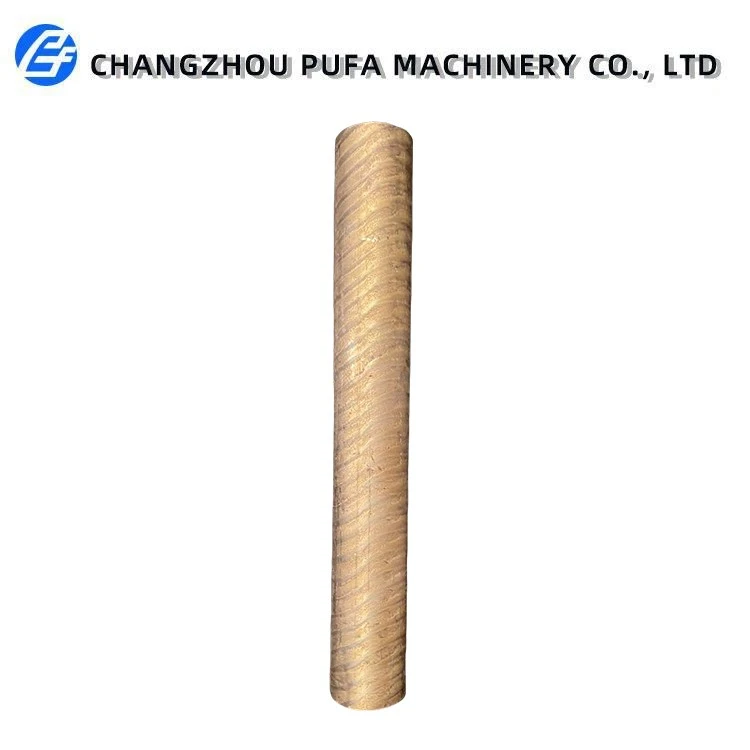
This property is really useful in manufacturing processes. We can shape aluminum bronzes into different forms, like the Aluminum Bronze Round Tube. This tube can be used in a wide range of applications, from plumbing systems to structural supports. The ductility allows the tube to be bent and formed into the desired shape without cracking.
In the case of Aluminum Bronze Bars And Tubing, the malleability enables us to create bars of different sizes and cross-sections. These bars can then be further machined into complex parts for specialized applications.
Toughness
Toughness is the ability of a material to absorb energy and deform plastically before fracturing. Aluminum bronzes are known for their high toughness, which makes them suitable for applications where impact resistance is crucial.
In the construction industry, for instance, aluminum bronze components can be used in structures that might experience seismic activity or heavy impacts. They can absorb the energy from these events and prevent catastrophic failure. In the automotive industry, parts made from aluminum bronzes can withstand the vibrations and shocks that occur during normal operation.
Corrosion Resistance
When it comes to mechanical properties, we can't forget about corrosion resistance. Aluminum bronzes have excellent resistance to corrosion, especially in marine and other harsh environments. The aluminum in the alloy forms a protective oxide layer on the surface, which acts as a barrier against corrosion.
This is a huge advantage in marine applications, where parts are constantly exposed to saltwater. For example, SAE68 Copper Aluminium is often used in shipbuilding for components like propellers, shafts, and valves. The corrosion resistance ensures that these parts have a long service life in the corrosive marine environment.
Fatigue Resistance
Another important property is fatigue resistance. Fatigue occurs when a material is subjected to repeated loading and unloading cycles. Over time, even small stresses can cause cracks to form and grow, eventually leading to failure.
Aluminum bronzes have good fatigue resistance, which means they can withstand a large number of loading cycles without failing. This makes them ideal for use in rotating machinery, such as turbines and pumps. In these applications, the parts are constantly under cyclic stress, and the fatigue resistance of aluminum bronzes helps to ensure reliable operation over a long period.
Thermal Conductivity
Aluminum bronzes also have a relatively high thermal conductivity. This means they can transfer heat efficiently. In applications where heat dissipation is important, such as in electrical contacts or heat exchangers, aluminum bronzes are a great choice.

The high thermal conductivity helps to prevent overheating, which can lead to component failure. In electrical contacts, for example, the ability to conduct heat away from the contact point reduces the risk of arcing and increases the efficiency of the electrical system.
Machinability
Lastly, let's talk about machinability. Machinability refers to how easily a material can be machined using conventional machining processes like turning, milling, and drilling.
Aluminum bronzes have good machinability, which makes them convenient to work with. This means that manufacturers can produce complex parts with relatively low costs and high precision. We can cut, shape, and finish aluminum bronzes to meet the exact specifications of our customers.
Well, that's a pretty comprehensive look at the mechanical properties of aluminum bronzes. These alloys offer a unique combination of strength, hardness, ductility, toughness, corrosion resistance, fatigue resistance, thermal conductivity, and machinability. Whether you're in the aerospace, automotive, marine, or any other industry that requires high-performance materials, aluminum bronzes could be the solution you're looking for.
If you're interested in learning more about our aluminum bronze products or if you're thinking about making a purchase, don't hesitate to reach out. We're here to help you find the right aluminum bronze solution for your specific needs. Let's have a chat about your requirements and see how we can work together to get the best results.
References
- Metals Handbook: Properties and Selection: Nonferrous Alloys and Pure Metals, Volume 2, ASM International
- Copper and Copper Alloys, ASM Specialty Handbook