

Hey there! As a bronze bushing supplier, I've seen my fair share of damaged bronze bushings. And let me tell you, it's not always a lost cause. There are actually several methods to repair a damaged bronze bushing, and in this blog, I'm gonna walk you through them.
Understanding Bronze Bushings
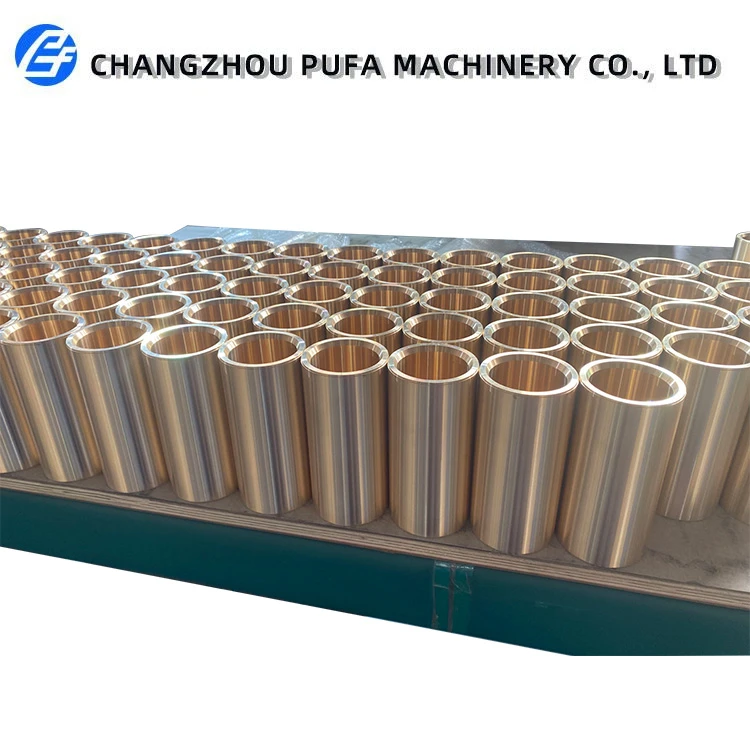
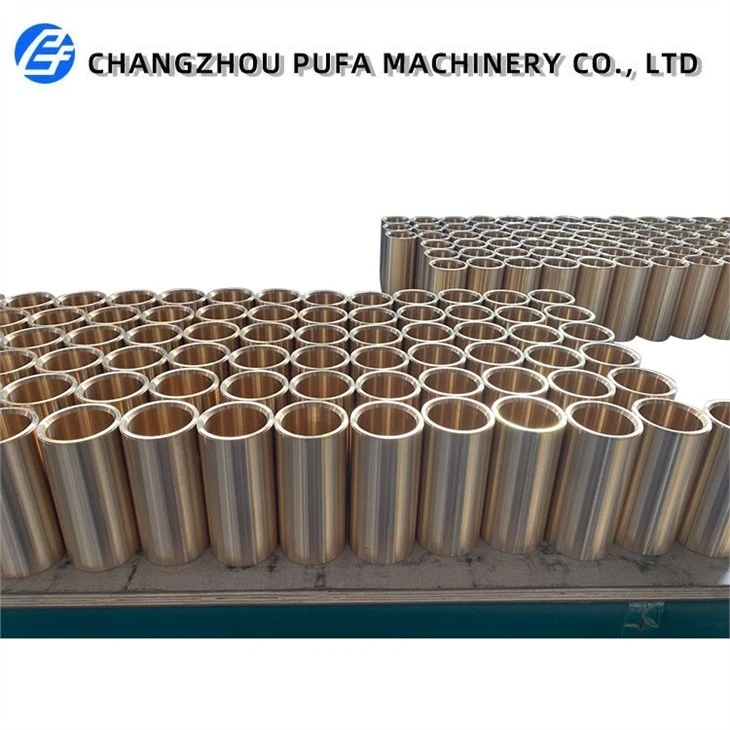
Before we dive into the repair methods, let's quickly go over what bronze bushings are and why they're so important. Bronze bushings are cylindrical sleeves made of bronze, a metal alloy composed mainly of copper and tin. They're used in a wide range of applications, from automotive engines to industrial machinery. Their main function is to reduce friction between two moving parts, which helps to extend the lifespan of the equipment and improve its performance.
Common Causes of Damage
Bronze bushings can get damaged for a variety of reasons. Some of the most common causes include:
- Wear and Tear: Over time, the constant friction between the bushing and the moving part can cause the surface of the bushing to wear down. This is especially true in high-load or high-speed applications.
- Corrosion: Bronze is generally resistant to corrosion, but it can still be affected by certain chemicals or environmental conditions. Exposure to saltwater, for example, can cause the bronze to corrode and weaken.
- Improper Installation: If the bushing is not installed correctly, it can cause uneven stress distribution, which can lead to premature wear and damage.
- Overloading: Putting too much stress on the bushing can cause it to deform or crack. This can happen if the equipment is used beyond its recommended capacity.
Repair Methods
1. Machining
One of the most common methods to repair a damaged bronze bushing is machining. This involves using a lathe or other machining tools to remove the damaged material from the surface of the bushing and restore its original dimensions. Machining can be used to repair minor wear and tear, as well as to correct any dimensional errors that may have occurred during installation.
Here's a step-by-step guide on how to machine a damaged bronze bushing:
- Inspect the Bushing: Before you start machining, you need to carefully inspect the bushing to determine the extent of the damage. Look for signs of wear, corrosion, or cracking.
- Secure the Bushing: Use a vise or other clamping device to secure the bushing in place on the lathe. Make sure it's centered and properly aligned.
- Remove the Damaged Material: Use a cutting tool to remove the damaged material from the surface of the bushing. Start with a rough cut and gradually work your way to a finer finish.
- Measure the Dimensions: As you're machining, use a micrometer or other measuring tool to check the dimensions of the bushing. Make sure it meets the specifications of the original part.
- Finish the Surface: Once you've removed the damaged material and restored the dimensions, use a finishing tool to smooth the surface of the bushing. This will help to reduce friction and improve the performance of the bushing.
2. Welding
Welding can also be used to repair a damaged bronze bushing, especially if the damage is more severe. This involves using a welding torch or other welding equipment to melt the bronze and fill in the damaged areas. Welding can be a bit more challenging than machining, as it requires some skill and experience to do it properly.
Here's a step-by-step guide on how to weld a damaged bronze bushing:
- Clean the Bushing: Before you start welding, you need to clean the surface of the bushing to remove any dirt, oil, or other contaminants. Use a wire brush or other cleaning tool to do this.
- Preheat the Bushing: Bronze has a relatively high melting point, so it's important to preheat the bushing before you start welding. This will help to prevent the bronze from cracking or warping during the welding process.
- Select the Right Welding Rod: Choose a welding rod that is compatible with the type of bronze used in the bushing. You may need to consult with a welding expert or the manufacturer of the bushing to determine the best type of rod to use.
- Weld the Damaged Areas: Use the welding torch to melt the welding rod and fill in the damaged areas of the bushing. Make sure to apply the weld evenly and smoothly.
- Post-Weld Treatment: After you've finished welding, you need to let the bushing cool down slowly. You may also need to perform some post-weld treatment, such as annealing or stress relieving, to improve the strength and durability of the bushing.
3. Re-Bushing
In some cases, it may be more cost-effective or practical to replace the damaged bushing with a new one. This is especially true if the damage is extensive or if the bushing is no longer repairable. Re-bushing involves removing the old bushing and installing a new one in its place.
Here's a step-by-step guide on how to re-bush a damaged bronze bushing:
- Remove the Old Bushing: Use a press or other removal tool to remove the old bushing from the equipment. Make sure to do this carefully to avoid damaging the surrounding parts.
- Clean the Bore: Once the old bushing is removed, clean the bore where the bushing was installed. Use a wire brush or other cleaning tool to remove any dirt, debris, or old lubricant.
- Select the Right Bushing: Choose a new bushing that is the same size and type as the old one. You may need to consult with the manufacturer of the equipment or a bushing supplier to determine the best type of bushing to use.
- Install the New Bushing: Use a press or other installation tool to install the new bushing in the bore. Make sure to align it properly and apply the right amount of pressure to ensure a secure fit.
- Lubricate the Bushing: Once the new bushing is installed, lubricate it with the appropriate lubricant. This will help to reduce friction and extend the lifespan of the bushing.
When to Replace Instead of Repair
While there are several methods to repair a damaged bronze bushing, there are also times when it's better to replace it. Here are some factors to consider when deciding whether to repair or replace a damaged bushing:
- Extent of the Damage: If the damage is extensive or if the bushing is severely cracked or deformed, it may be more cost-effective to replace it.
- Cost of Repair: In some cases, the cost of repairing a damaged bushing may be close to or even higher than the cost of a new one. If this is the case, it may be better to replace the bushing.
- Availability of Parts: If the bushing is a custom or hard-to-find part, it may be difficult or expensive to repair it. In this case, it may be easier to replace it with a new one.
- Safety Considerations: If the damaged bushing is critical to the safety of the equipment or the people using it, it's important to replace it as soon as possible.
Conclusion
Repairing a damaged bronze bushing can be a challenging but rewarding task. By understanding the common causes of damage and the different repair methods available, you can make an informed decision on how to best address the problem. Whether you choose to machine, weld, or re-bush the bushing, it's important to follow the proper procedures and use the right tools and materials to ensure a successful repair.
As a bronze bushing supplier, I have a wide range of high-quality bronze bushings to meet your needs. Whether you're looking for a Long Bronze Bushing, Centrifugal Casting Tin Bronze, or Nickel Aluminum Bronze Bushing, I've got you covered. If you have any questions or need help with your bronze bushing needs, don't hesitate to contact me. I'm here to assist you and help you find the best solution for your application.
References
- ASM Handbook Volume 6: Welding, Brazing, and Soldering
- Machinery's Handbook
- American Society for Testing and Materials (ASTM) Standards for Bronze Alloys