

Bronze bushings are essential components in a wide range of industrial applications, valued for their durability, corrosion resistance, and excellent load - bearing capabilities. As a bronze bushing supplier, I understand the importance of not only providing high - quality products but also offering guidance on their proper maintenance. One crucial aspect of maintenance is choosing the right cleaning agents. In this blog, I'll discuss the safe cleaning agents for bronze bushings, ensuring their longevity and optimal performance.
Understanding Bronze Bushings
Before delving into the cleaning agents, it's important to have a basic understanding of bronze bushings. Bronze is an alloy primarily composed of copper and tin, with other elements such as zinc, lead, or aluminum added to enhance specific properties. There are different types of bronze bushings available, each designed for specific applications. For instance, Cast Bronze Bushing is known for its excellent wear resistance and is often used in heavy - duty applications. Bronze Flange Bearing provides a stable mounting surface and is commonly used in machinery where alignment is critical. Nickel Aluminium Bronze offers high strength and corrosion resistance, making it suitable for marine and high - stress applications.
Why Clean Bronze Bushings?
Over time, bronze bushings can accumulate dirt, debris, and contaminants. These can cause increased friction, wear, and even corrosion, which can significantly reduce the lifespan of the bushing and affect the performance of the machinery. Regular cleaning helps to remove these unwanted substances, preventing premature failure and ensuring smooth operation.
Safe Cleaning Agents for Bronze Bushings
Mild Detergents
Mild detergents are a great starting point for cleaning bronze bushings. They are gentle enough not to damage the bronze surface while effectively removing dirt and grime. Look for a pH - neutral detergent, as acidic or alkaline detergents can cause corrosion. Mix the detergent with warm water to create a soapy solution.
To clean the bushing, soak it in the solution for a few minutes. Then, use a soft - bristle brush to gently scrub the surface, paying special attention to any areas with stubborn dirt. Rinse the bushing thoroughly with clean water to remove all traces of the detergent. Make sure to dry the bushing completely to prevent water - induced corrosion.
Isopropyl Alcohol
Isopropyl alcohol is another safe and effective cleaning agent for bronze bushings. It evaporates quickly, leaving no residue behind. It can dissolve grease, oil, and some types of contaminants.
To use isopropyl alcohol, pour a small amount onto a clean, lint - free cloth. Gently wipe the surface of the bushing, removing any dirt or oil. You can also use a cotton swab to clean hard - to - reach areas. Since isopropyl alcohol is flammable, make sure to use it in a well - ventilated area and keep it away from open flames or heat sources.
Vinegar
Vinegar is a natural and inexpensive cleaning agent that can be used on bronze bushings. It contains acetic acid, which can help remove light oxidation and stains. However, it should be used with caution as excessive use can damage the bronze surface.
Mix equal parts of vinegar and water to create a solution. Soak a soft cloth in the solution and gently rub the bushing. After cleaning, rinse the bushing with water and dry it thoroughly. If you notice any discoloration or damage after using vinegar, stop using it immediately.
Baking Soda Paste
Baking soda is a mild abrasive that can be used to clean bronze bushings. It can remove stubborn stains and dirt without scratching the surface.
To make a baking soda paste, mix baking soda with a small amount of water until it forms a thick paste. Apply the paste to the bushing using a soft cloth or a toothbrush. Gently scrub the surface in a circular motion. Rinse the bushing with water and dry it completely.
Cleaning Precautions
When cleaning bronze bushings, there are several precautions to keep in mind. First, always test the cleaning agent on a small, inconspicuous area of the bushing before applying it to the entire surface. This helps to ensure that the agent does not cause any damage or discoloration.
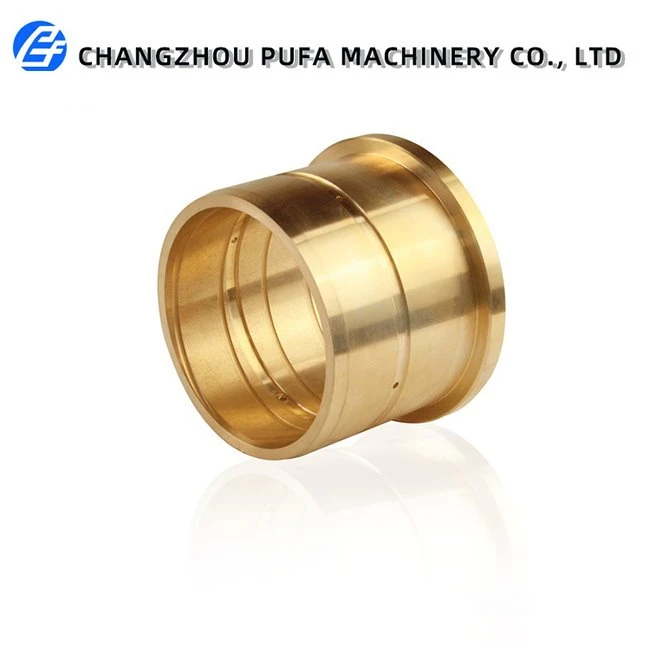

Avoid using abrasive materials such as steel wool or harsh brushes, as they can scratch the bronze surface. Scratches can create areas where corrosion can start, reducing the lifespan of the bushing.
If the bushing is part of a complex machinery, make sure to follow the manufacturer's instructions for disassembly and reassembly. Improper disassembly can lead to misalignment or damage to other components.
Maintenance After Cleaning
After cleaning the bronze bushing, it's important to apply a protective coating to prevent future corrosion. A thin layer of lubricating oil or a corrosion - resistant spray can be applied to the surface. This not only protects the bushing but also reduces friction during operation.
Regularly inspect the bushing for signs of wear, corrosion, or damage. If you notice any issues, replace the bushing immediately to prevent further damage to the machinery.
Conclusion
Choosing the right cleaning agents for bronze bushings is crucial for their maintenance and longevity. Mild detergents, isopropyl alcohol, vinegar, and baking soda paste are all safe and effective options. By following the proper cleaning procedures and taking necessary precautions, you can ensure that your bronze bushings continue to perform at their best.
As a bronze bushing supplier, I am committed to providing high - quality products and valuable information to our customers. If you have any questions about bronze bushings or need assistance in choosing the right cleaning agents, feel free to contact us for further discussion. We look forward to helping you with your bronze bushing needs and guiding you through the procurement process.
References
- ASM Handbook Volume 2: Properties and Selection: Nonferrous Alloys and Special - Purpose Materials.
- Machinery's Handbook, 31st Edition.
- ASTM Standards related to bronze alloys and their applications.