

Hey there! I'm a supplier of Tin Bronze C90300, and I've been getting a lot of questions lately about the corrosion rate of this alloy in different environments. So, I thought I'd take a few minutes to break it down for you.
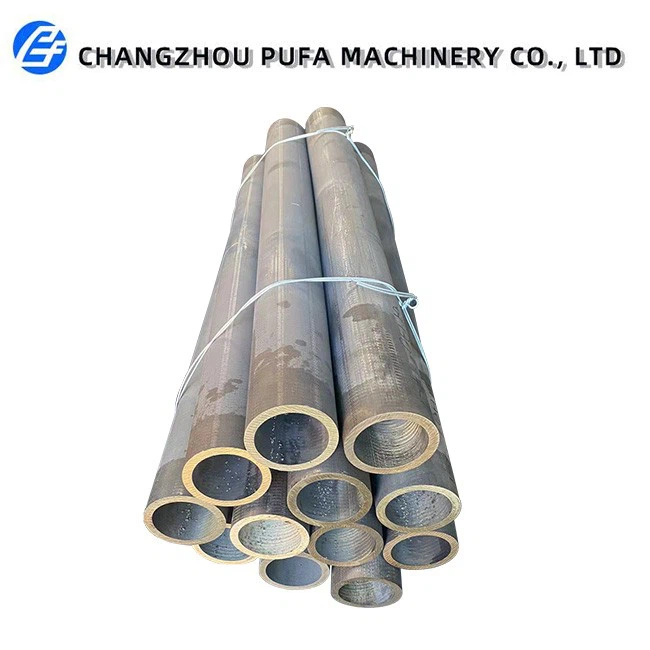

First off, let's talk a bit about Tin Bronze C90300. It's a copper - tin alloy with excellent mechanical properties, good wear resistance, and is widely used in various industries like marine, automotive, and machinery. But one of the key factors that determine its suitability for different applications is its corrosion rate in different settings.
Corrosion in Freshwater
In freshwater environments, Tin Bronze C90300 generally shows relatively good corrosion resistance. Freshwater has a lower concentration of salts compared to seawater, which means there are fewer aggressive ions to attack the alloy. The corrosion rate in freshwater is usually quite slow. This is because the tin in the alloy forms a protective oxide layer on the surface. This layer acts as a barrier, preventing oxygen and water from reaching the underlying metal and causing further corrosion.
However, the pH level of the freshwater can have an impact. If the water is acidic (low pH), it can dissolve the protective oxide layer more quickly, increasing the corrosion rate. On the other hand, if the water is alkaline (high pH), the oxide layer is more stable, and the corrosion rate remains low. In normal, well - oxygenated freshwater with a near - neutral pH, the corrosion rate of Tin Bronze C90300 can be as low as a few micrometers per year. This makes it a great choice for applications like water pipes, valves, and fittings in freshwater systems.
Corrosion in Seawater
Seawater is a whole different ballgame. It's much more corrosive than freshwater due to its high salt content, mainly sodium chloride. The chloride ions in seawater are very aggressive and can break down the protective oxide layer on the surface of Tin Bronze C90300. As a result, the corrosion rate in seawater is significantly higher than in freshwater.
The presence of other elements in seawater, such as dissolved oxygen, can also accelerate corrosion. Oxygen is involved in the electrochemical reactions that cause corrosion. In seawater, the corrosion rate of Tin Bronze C90300 can range from tens to hundreds of micrometers per year, depending on factors like temperature, water flow rate, and the presence of marine organisms.
Some areas with high levels of pollution in seawater can also increase the corrosion rate. For example, if there are industrial pollutants or heavy metals in the water, they can react with the alloy and cause more severe corrosion. Despite these challenges, Tin Bronze C90300 is still used in some marine applications because of its good mechanical properties. But often, additional protective measures like coatings or cathodic protection are required to extend its service life.
Corrosion in Industrial Environments
Industrial environments can vary widely in terms of the substances present. In a chemical plant, for example, the alloy might be exposed to acids, alkalis, or other corrosive chemicals. If the environment contains strong acids like sulfuric acid or hydrochloric acid, the corrosion rate of Tin Bronze C90300 can be extremely high. These acids can react with the copper and tin in the alloy, dissolving them rapidly.
In a manufacturing plant where there is a lot of dust and humidity, the alloy can also corrode. The dust might contain abrasive particles that can damage the protective oxide layer, and the humidity provides the necessary water for corrosion reactions to occur. However, in some industrial settings where the environment is well - controlled and the alloy is not exposed to highly corrosive substances, it can still perform well.
Corrosion in Atmospheric Environments
The corrosion rate of Tin Bronze C90300 in the atmosphere depends on the location and the local climate. In a clean, dry atmosphere, the corrosion rate is very low. The alloy forms a thin patina on the surface, which is a type of protective layer. This patina is a result of the reaction between the alloy and the oxygen and moisture in the air.
In polluted urban or industrial areas, the situation is different. Pollutants like sulfur dioxide, nitrogen oxides, and particulate matter can react with the alloy and increase the corrosion rate. For example, sulfur dioxide can form sulfuric acid when it reacts with water in the air, which then attacks the alloy. In coastal areas, the presence of salt spray in the air can also accelerate corrosion, similar to the effect of seawater.
Now, if you're in the market for Tin Bronze C90300, you might be interested in some related products. Check out Copper Nickel Tin Bronze, which has its own unique properties and applications. Also, Leaded Bronze Alloys are another option you might want to explore. And if you need a specific form, Bronze Round Bar could be just what you're looking for.
As a supplier, I know how important it is to choose the right alloy for your specific application. Understanding the corrosion rate of Tin Bronze C90300 in different environments is crucial for making an informed decision. If you have any questions about the alloy, its corrosion resistance, or how it can fit into your project, don't hesitate to reach out. I'm here to help you find the best solution for your needs. Whether you're working on a small - scale project or a large - scale industrial application, Tin Bronze C90300 could be the perfect choice. So, let's start a conversation and see how we can work together to get you the right materials.
References
- Jones, D. A. (1992). Principles and Prevention of Corrosion. Prentice Hall.
- Uhlig, H. H., & Revie, R. W. (1985). Corrosion and Corrosion Control: An Introduction to Corrosion Science and Engineering. Wiley.