

Surface treatment plays a crucial role in enhancing the performance and longevity of various materials, and aluminum bronze is no exception. As a leading supplier of aluminum bronze products, we have witnessed firsthand the transformative effects of different surface treatments on the properties of this remarkable alloy. In this blog post, we will explore the impact of surface treatment on the properties of aluminum bronze, including its mechanical, corrosion, and wear resistance characteristics.
Understanding Aluminum Bronze
Aluminum bronze is a type of copper-based alloy that contains aluminum as the primary alloying element, along with other elements such as iron, nickel, and manganese. This alloy is known for its excellent strength, corrosion resistance, and wear resistance, making it suitable for a wide range of applications in industries such as marine, aerospace, and automotive.
There are several grades of aluminum bronze available, each with its own unique properties and applications. For example, C63000 Bronze Alloy is a high-strength alloy that is commonly used in marine applications, while SAE68 Copper Aluminium is a corrosion-resistant alloy that is often used in chemical processing equipment. AB2 Aluminum Bronze Rod Bar is another popular grade of aluminum bronze that is known for its excellent machinability and wear resistance.
Effects of Surface Treatment on Mechanical Properties
One of the primary benefits of surface treatment on aluminum bronze is the improvement of its mechanical properties. Surface treatments such as heat treatment, shot peening, and nitriding can significantly enhance the hardness, strength, and fatigue resistance of the alloy.
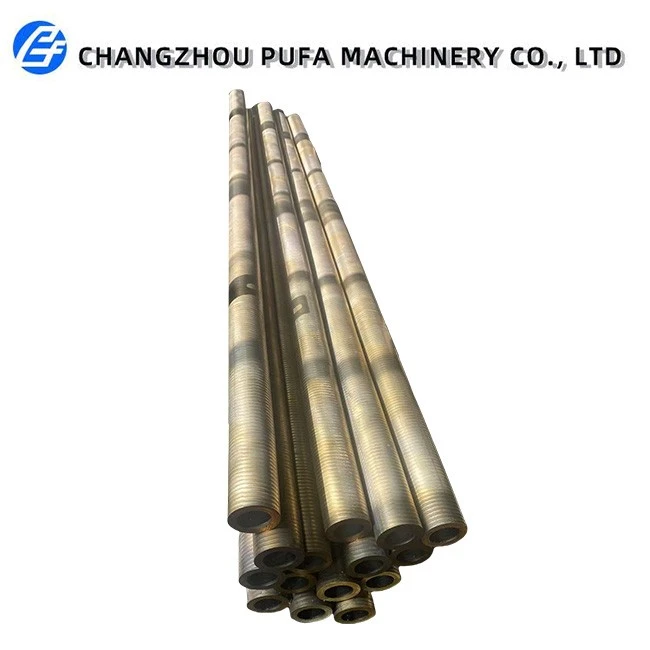

Heat treatment is a common surface treatment method that involves heating the aluminum bronze to a specific temperature and then cooling it at a controlled rate. This process can change the microstructure of the alloy, resulting in improved hardness and strength. For example, quenching and tempering can increase the hardness of aluminum bronze by up to 50%, making it more resistant to wear and deformation.
Shot peening is another surface treatment method that involves bombarding the surface of the aluminum bronze with small spherical particles. This process creates compressive stresses on the surface of the alloy, which can improve its fatigue resistance and reduce the risk of cracking and failure. Shot peening can also improve the surface finish of the alloy, making it more resistant to corrosion.
Nitriding is a surface treatment method that involves introducing nitrogen into the surface of the aluminum bronze. This process can form a hard nitride layer on the surface of the alloy, which can significantly improve its hardness, wear resistance, and corrosion resistance. Nitriding can also improve the fatigue resistance of the alloy by reducing the stress concentration at the surface.
Effects of Surface Treatment on Corrosion Resistance
Another important benefit of surface treatment on aluminum bronze is the improvement of its corrosion resistance. Aluminum bronze is already known for its excellent corrosion resistance, but surface treatments can further enhance this property by forming a protective layer on the surface of the alloy.
One of the most common surface treatments for improving the corrosion resistance of aluminum bronze is passivation. Passivation is a process that involves treating the surface of the alloy with a chemical solution to remove any free iron or other contaminants. This process can form a thin, protective oxide layer on the surface of the alloy, which can prevent the formation of rust and other forms of corrosion.
Anodizing is another surface treatment method that can improve the corrosion resistance of aluminum bronze. Anodizing involves creating an oxide layer on the surface of the alloy by passing an electric current through it in an electrolyte solution. This process can form a thick, durable oxide layer on the surface of the alloy, which can provide excellent protection against corrosion.
Coating is also a popular surface treatment method for improving the corrosion resistance of aluminum bronze. Coatings such as paint, epoxy, and ceramic can provide a physical barrier between the alloy and the environment, preventing the formation of rust and other forms of corrosion. Coatings can also improve the aesthetic appearance of the alloy, making it more suitable for decorative applications.
Effects of Surface Treatment on Wear Resistance
In addition to improving the mechanical and corrosion properties of aluminum bronze, surface treatments can also enhance its wear resistance. Wear resistance is an important property for many applications, especially those that involve sliding or rubbing contact between the alloy and other materials.
One of the most effective surface treatments for improving the wear resistance of aluminum bronze is hard chrome plating. Hard chrome plating involves depositing a thin layer of chromium on the surface of the alloy using an electroplating process. This process can form a hard, durable chrome layer on the surface of the alloy, which can provide excellent wear resistance and reduce the friction between the alloy and other materials.
Carburizing is another surface treatment method that can improve the wear resistance of aluminum bronze. Carburizing involves introducing carbon into the surface of the alloy by heating it in a carbon-rich environment. This process can form a hard, wear-resistant carbide layer on the surface of the alloy, which can significantly improve its wear resistance.
Laser cladding is a relatively new surface treatment method that can also improve the wear resistance of aluminum bronze. Laser cladding involves melting a powder or wire of a wear-resistant material onto the surface of the alloy using a laser beam. This process can form a thick, durable cladding layer on the surface of the alloy, which can provide excellent wear resistance and reduce the risk of wear and tear.
Conclusion
In conclusion, surface treatment plays a vital role in enhancing the properties of aluminum bronze. By improving its mechanical, corrosion, and wear resistance characteristics, surface treatments can extend the lifespan of aluminum bronze products and make them more suitable for a wide range of applications. As a leading supplier of aluminum bronze products, we offer a variety of surface treatment options to meet the specific needs of our customers. If you are interested in learning more about our aluminum bronze products and surface treatment services, please contact us today to discuss your requirements and explore the possibilities.
References
- ASM Handbook, Volume 5: Surface Engineering, ASM International, 1994.
- Metals Handbook, Volume 2: Properties and Selection: Nonferrous Alloys and Pure Metals, ASM International, 1990.
- Corrosion Resistance of Aluminum Bronzes, NACE International, 2002.
- Wear Resistance of Aluminum Bronzes, ASTM International, 2005.