

Hey there! As a supplier of Phosphor Bronze, I often get asked about its electrical conductivity. So, I thought I'd take a deep dive into this topic and share everything you need to know.

First off, let's talk a bit about what Phosphor Bronze is. It's an alloy made up of copper, tin, and a small amount of phosphorus. The addition of phosphorus gives this alloy some unique properties, making it super useful in a bunch of different industries.
Now, onto the main question: what's the electrical conductivity of Phosphor Bronze? Well, electrical conductivity is a measure of how easily an electric current can pass through a material. It's usually measured in Siemens per meter (S/m). For Phosphor Bronze, its electrical conductivity can vary depending on a few factors, like the exact composition of the alloy and how it's been processed.
Typically, Phosphor Bronze has an electrical conductivity that's lower than pure copper. Copper is known for its excellent electrical conductivity, and it's often used in electrical wiring and components. But Phosphor Bronze has other benefits that make it a great choice in many situations, even with its slightly lower conductivity.
The presence of tin and phosphorus in the alloy changes the atomic structure of the material. This change can impede the flow of electrons to some extent, which is why the conductivity is reduced compared to pure copper. However, this isn't always a bad thing. In some applications, you might need a material with a bit less conductivity to control the flow of electricity more precisely.
One of the reasons we love Phosphor Bronze in our business is its combination of properties. Along with its electrical conductivity, it has great corrosion resistance. This means it can be used in environments where moisture or chemicals are present without worrying too much about it breaking down. It also has good strength and fatigue resistance, making it suitable for parts that need to withstand repeated stress.
Let's take a look at some common applications where the electrical conductivity of Phosphor Bronze comes into play. In the electronics industry, it's used in connectors and switches. These components need to conduct electricity, but they also need to be durable and resistant to corrosion. Phosphor Bronze fits the bill perfectly. It can handle the electrical current while maintaining its integrity over time.
Another area where it's used is in the manufacturing of springs. Springs need to have good electrical conductivity in some cases, especially if they're part of an electrical circuit. Phosphor Bronze springs can conduct electricity while also providing the necessary elasticity and strength.
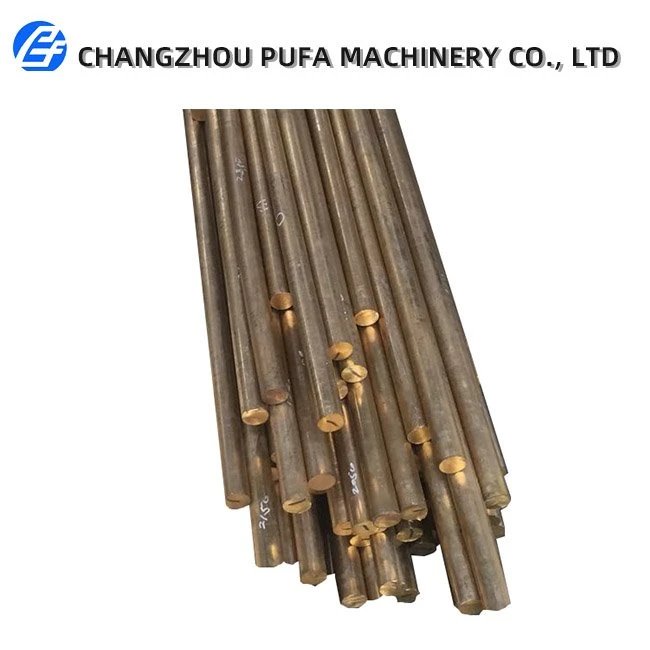
If you're in the market for Phosphor Bronze products, we've got a great range to offer. Check out our Phosphorus Bronze Round Bars. These bars are made with high - quality Phosphor Bronze and are available in different sizes. They're perfect for a variety of applications, whether you're making small electrical components or larger structural parts.
Our Phosphor Bronze Rods are also a popular choice. They're known for their consistent quality and excellent performance. You can use them in all sorts of projects where electrical conductivity and mechanical strength are important.
And if you need something a bit more specialized, our Phosphor Bronze Hollow Bar is a great option. It's ideal for applications where you need to save weight while still maintaining good electrical and mechanical properties.
Now, let's get back to the electrical conductivity aspect. When you're working on a project, it's important to understand the specific requirements for electrical conductivity. You might need to do some calculations or tests to make sure the Phosphor Bronze you're using will meet your needs. But don't worry, we're here to help. Our team of experts can assist you in choosing the right product based on your electrical and mechanical requirements.
We've done a lot of research on the electrical conductivity of Phosphor Bronze over the years. Through various tests and experiments, we've found that the conductivity can range from around 15% to 25% of the conductivity of pure copper, depending on the alloy composition. This range gives you an idea of what to expect, but again, it can vary based on processing and other factors.
In some cases, you might be able to improve the electrical conductivity of Phosphor Bronze through heat treatment. Heat treatment can change the microstructure of the alloy, which can sometimes enhance its ability to conduct electricity. However, this needs to be done carefully, as it can also affect other properties like strength and corrosion resistance.
If you're still not sure whether Phosphor Bronze is the right material for your project, just give us a shout. We can have a detailed discussion about your needs and help you make an informed decision. Whether you're a small - scale hobbyist or a large - scale manufacturer, we're here to support you.
We take pride in providing high - quality Phosphor Bronze products. Our manufacturing process is carefully monitored to ensure that each piece meets our strict quality standards. We source the best raw materials and use the latest technology to produce our products.
So, if you're interested in purchasing Phosphor Bronze products, we'd love to start a conversation with you. We can talk about your requirements, provide you with samples if needed, and give you a competitive quote. Don't hesitate to reach out and let's see how we can work together to make your project a success.
In conclusion, the electrical conductivity of Phosphor Bronze is an important factor to consider when choosing a material for your electrical or mechanical applications. While it's not as conductive as pure copper, its other properties make it a valuable choice in many situations. Whether you're looking for corrosion resistance, strength, or durability, Phosphor Bronze has a lot to offer. And if you're in the market for Phosphor Bronze products, we're here to be your reliable supplier.
References
- "Metals Handbook: Properties and Selection: Nonferrous Alloys and Pure Metals", ASM International
- Various industry research papers on Phosphor Bronze alloys