

When it comes to materials in the industrial world, C90300 Tin Bronze stands out as a remarkable choice, especially for applications that demand high performance and durability. As a trusted supplier of C90300 Tin Bronze, I've witnessed firsthand its widespread use in various industries and understand the importance of its fatigue life. In this blog, we'll delve into what the fatigue life of C90300 Tin Bronze is, the factors that influence it, and why it matters in real - world applications.
Understanding Fatigue Life
Before we specifically discuss the fatigue life of C90300 Tin Bronze, let's first understand what fatigue life means. Fatigue life refers to the number of stress cycles a material can endure before it fails due to fatigue. Fatigue failure occurs when a material is subjected to repeated or cyclic loading, which causes microscopic cracks to initiate and propagate over time. Eventually, these cracks can lead to the complete failure of the component, even if the applied stress is below the material's ultimate tensile strength.
Fatigue Life of C90300 Tin Bronze
C90300 Tin Bronze, also known as 88 - 10 - 2 Tin Bronze (composed of approximately 88% copper, 10% tin, and 2% zinc), is a high - strength alloy with excellent wear resistance and corrosion resistance. Its fatigue life is influenced by several factors, including its chemical composition, microstructure, and the operating conditions to which it is exposed.
The chemical composition of C90300 Tin Bronze plays a crucial role in determining its fatigue life. The high copper content provides good ductility and electrical conductivity, while the tin addition enhances the alloy's strength and hardness. The zinc further improves the alloy's corrosion resistance and castability. These elements work together to give C90300 Tin Bronze a relatively high fatigue resistance compared to some other alloys.
The microstructure of C90300 Tin Bronze also affects its fatigue life. A fine - grained microstructure generally results in better fatigue properties because it provides more barriers to crack propagation. During the manufacturing process, proper heat treatment and cooling rates can be used to control the microstructure and optimize the fatigue performance of the alloy.
Factors Affecting the Fatigue Life of C90300 Tin Bronze
1. Loading Conditions
The type of loading (such as tensile, compressive, or torsional), the magnitude of the stress, and the frequency of the cycles all have a significant impact on the fatigue life of C90300 Tin Bronze. Higher stress levels and more frequent loading cycles will generally reduce the fatigue life of the material. For example, in a high - speed machinery application where the C90300 Tin Bronze component is subjected to rapid and repeated stress changes, the fatigue life will be shorter compared to a low - speed, low - stress application.
2. Environmental Conditions
The environment in which C90300 Tin Bronze operates can also affect its fatigue life. Corrosive environments, such as those containing saltwater or acidic substances, can cause surface corrosion and pitting, which can act as stress concentration points and initiate cracks more easily. Additionally, high temperatures can reduce the strength and hardness of the alloy, making it more susceptible to fatigue failure.

3. Surface Finish
A smooth surface finish can improve the fatigue life of C90300 Tin Bronze. Rough surfaces have more surface irregularities, which can act as stress raisers and promote crack initiation. By using proper machining and finishing techniques, the surface roughness can be minimized, thereby enhancing the fatigue resistance of the material.
Importance of Fatigue Life in Applications
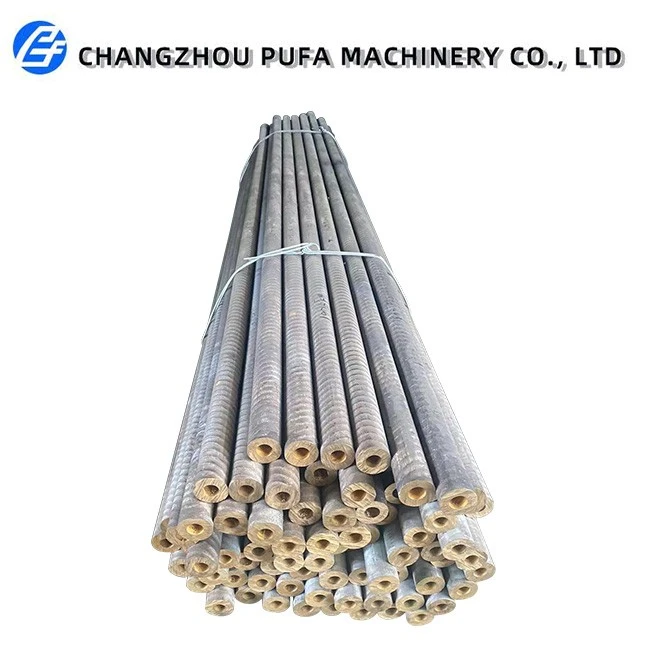
The fatigue life of C90300 Tin Bronze is of utmost importance in many applications. For instance, in bearing applications, C90300 Tin Bronze is often used to manufacture Bearing Bronze Hollow Bar. Bearings are subjected to continuous cyclic loading as they support rotating shafts, and a long fatigue life is essential to ensure reliable and long - term operation. A bearing with a short fatigue life may fail prematurely, leading to costly downtime and potential damage to other components in the machinery.
In the automotive industry, C90300 Tin Bronze components are used in various parts, such as bushings and valve guides. These components are exposed to repeated mechanical stresses during the operation of the vehicle. A high fatigue life ensures that the components can withstand the rigors of daily use and maintain their performance over an extended period.
Another application where the fatigue life of C90300 Tin Bronze is critical is in marine environments. Copper Nickel Tin Bronze is often used in marine hardware, such as propeller shafts and pump impellers. These components are not only subjected to cyclic loading but also to the corrosive effects of saltwater. A long fatigue life is necessary to prevent premature failure and ensure the safety and reliability of marine vessels.
Testing the Fatigue Life of C90300 Tin Bronze
To accurately determine the fatigue life of C90300 Tin Bronze, various testing methods are available. One common method is the rotating - beam fatigue test, where a specimen of the material is subjected to a constant - amplitude cyclic bending stress. The number of cycles until failure is recorded, and this data is used to generate an S - N curve (stress - number of cycles curve), which can be used to predict the fatigue life of the material under different stress levels.
Another method is the axial fatigue test, which applies a cyclic tensile or compressive stress to the specimen. This test is more suitable for applications where the loading is primarily axial, such as in some structural components.
How Our Company Ensures High - Quality C90300 Tin Bronze with Long Fatigue Life
As a supplier of C90300 Tin Bronze, we take several steps to ensure that our products have a long fatigue life. Firstly, we carefully control the chemical composition of the alloy during the melting and casting process. We use high - quality raw materials and advanced melting techniques to ensure that the alloy meets the strictest quality standards.
Secondly, we pay close attention to the manufacturing process. We use state - of - the - art machining and heat - treatment equipment to control the microstructure and surface finish of the products. Our quality control team conducts rigorous inspections at every stage of the production process to ensure that the products meet the required fatigue performance criteria.
Real - World Examples
Let's take a look at some real - world examples of how our C90300 Tin Bronze products have performed in terms of fatigue life. In a large - scale industrial pump application, our High Leaded Tin Bronze Hollow Bar was used as the pump shaft sleeve. The pump was operating continuously in a high - temperature and high - pressure environment, with the shaft sleeve subjected to significant cyclic loading. After several years of operation, the shaft sleeve showed minimal signs of fatigue damage, demonstrating the excellent fatigue resistance of our C90300 Tin Bronze.
In a marine application, our C90300 Tin Bronze propeller hub was installed on a commercial fishing vessel. The hub was exposed to the harsh marine environment, including saltwater corrosion and repeated mechanical stresses from the propeller rotation. After multiple fishing seasons, the propeller hub remained in good condition, and there was no evidence of fatigue failure, highlighting the long fatigue life of our product in a challenging environment.
Conclusion
The fatigue life of C90300 Tin Bronze is a critical property that determines its suitability for many applications. By understanding the factors that affect its fatigue life and taking appropriate measures to optimize it, we can ensure that our C90300 Tin Bronze products provide reliable and long - term performance. Whether you are in the bearing, automotive, or marine industry, our high - quality C90300 Tin Bronze products can meet your requirements.
If you are interested in our C90300 Tin Bronze products and would like to discuss your specific needs, please feel free to contact us for procurement and negotiation. We are committed to providing you with the best solutions and products.
References
- ASM Handbook Volume 2: Properties and Selection: Nonferrous Alloys and Special - Purpose Materials. ASM International.
- Metals Handbook Desk Edition, Third Edition. ASM International.
- Callister, W. D., & Rethwisch, D. G. (2017). Materials Science and Engineering: An Introduction. Wiley.