

Fatigue strength is a crucial mechanical property, especially when it comes to materials used in various industrial applications. As a supplier of Phosphor Bronze, I've been asked numerous times about the fatigue strength of this alloy. In this blog, I'll delve into what fatigue strength is, how it pertains to Phosphor Bronze, and why it matters in different sectors.
Understanding Fatigue Strength
Before we discuss Phosphor Bronze specifically, let's first understand what fatigue strength means. Fatigue is the weakening of a material caused by cyclic loading that results in progressive and localized structural damage and the growth of cracks. Fatigue strength is the maximum stress that a material can withstand for a given number of cycles without failing. It's usually determined through fatigue testing, where a specimen is subjected to repeated loading and unloading cycles until failure occurs.
The fatigue life of a material is influenced by several factors, including the material's composition, microstructure, surface finish, and the nature of the applied stress (such as stress amplitude, mean stress, and stress ratio). Different materials have different fatigue strengths, and understanding these properties is essential for designing reliable components.
Phosphor Bronze: An Overview
Phosphor Bronze is a type of bronze alloy that contains copper, tin, and a small amount of phosphorus. The addition of phosphorus improves the alloy's strength, hardness, and corrosion resistance. It also enhances the alloy's ability to withstand fatigue. Phosphor Bronze is widely used in various industries due to its excellent mechanical properties, electrical conductivity, and resistance to wear and corrosion.
There are different grades of Phosphor Bronze, each with its own unique properties and applications. For example, C51000 Phosphor Bronze is a commonly used grade known for its high strength, good ductility, and excellent corrosion resistance. You can find more information about C51000 Phosphor Bronze Round on our website.
Fatigue Strength of Phosphor Bronze
The fatigue strength of Phosphor Bronze is influenced by its chemical composition, microstructure, and processing conditions. Generally, Phosphor Bronze has good fatigue resistance compared to other copper alloys. The presence of tin and phosphorus in the alloy contributes to its high strength and hardness, which in turn improves its fatigue performance.
The fatigue strength of Phosphor Bronze can be affected by the following factors:
- Chemical Composition: The amount of tin and phosphorus in the alloy can affect its fatigue strength. Higher tin content generally leads to higher strength and better fatigue resistance. However, excessive tin content can also make the alloy brittle, which may reduce its fatigue life.
- Microstructure: The microstructure of Phosphor Bronze, including grain size and phase distribution, can have a significant impact on its fatigue strength. Fine-grained microstructures generally have better fatigue resistance than coarse-grained ones.
- Surface Finish: The surface finish of a Phosphor Bronze component can affect its fatigue strength. A smooth surface finish can reduce stress concentrations and improve fatigue life, while a rough surface finish can act as a stress raiser and initiate cracks.
- Loading Conditions: The nature of the applied stress, such as stress amplitude, mean stress, and stress ratio, can also affect the fatigue strength of Phosphor Bronze. Higher stress amplitudes and mean stresses generally lead to shorter fatigue lives.
Applications of Phosphor Bronze Based on Fatigue Strength
Due to its good fatigue strength, Phosphor Bronze is used in a wide range of applications where components are subjected to cyclic loading. Some common applications include:
- Electrical Connectors: Phosphor Bronze is commonly used in electrical connectors due to its excellent electrical conductivity and fatigue resistance. Connectors are often subjected to repeated plugging and unplugging cycles, which require a material with good fatigue performance.
- Springs: Springs are another common application of Phosphor Bronze. Springs are designed to withstand repeated deformation and return to their original shape, which requires a material with high fatigue strength.
- Bearings and Bushings: Phosphor Bronze is also used in bearings and bushings due to its good wear resistance and fatigue strength. Bearings and bushings are subjected to high loads and cyclic stresses, and Phosphor Bronze can provide long-lasting performance.
- Musical Instruments: Phosphor Bronze is used in the strings of some musical instruments, such as guitars and violins. The alloy's good fatigue strength allows the strings to withstand the repeated vibrations and stresses associated with playing music.
Testing and Quality Control
To ensure the fatigue strength of Phosphor Bronze meets the required specifications, rigorous testing and quality control measures are essential. At our company, we use advanced testing equipment and techniques to evaluate the fatigue performance of our Phosphor Bronze products.
Some of the testing methods we use include:

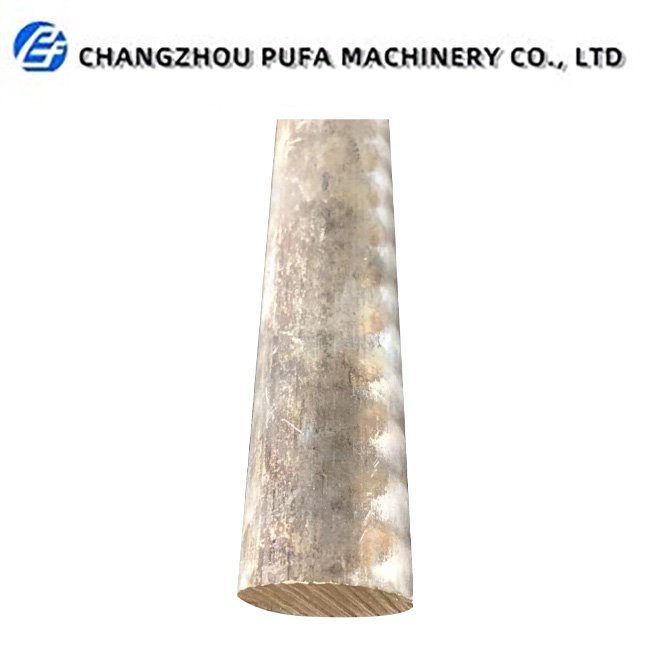
- Fatigue Testing: We conduct fatigue tests on specimens to determine the fatigue strength and life of our Phosphor Bronze products. These tests involve subjecting the specimens to repeated loading and unloading cycles until failure occurs.
- Microstructural Analysis: We use microscopy techniques to analyze the microstructure of our Phosphor Bronze products. This helps us ensure that the alloy has the desired grain size and phase distribution, which can affect its fatigue performance.
- Chemical Analysis: We perform chemical analysis on our Phosphor Bronze products to ensure that they have the correct chemical composition. This helps us maintain consistent quality and performance.
Why Choose Our Phosphor Bronze Products
As a leading supplier of Phosphor Bronze, we offer a wide range of high-quality products with excellent fatigue strength. Our products are manufactured using the latest technology and processes to ensure consistent quality and performance.
Here are some reasons why you should choose our Phosphor Bronze products:
- High-Quality Materials: We use only the highest quality raw materials to manufacture our Phosphor Bronze products. This ensures that our products have the desired chemical composition and mechanical properties.
- Advanced Manufacturing Processes: We employ advanced manufacturing processes to produce our Phosphor Bronze products. These processes help us control the microstructure and properties of the alloy, resulting in products with excellent fatigue strength.
- Strict Quality Control: We have a strict quality control system in place to ensure that our Phosphor Bronze products meet the highest standards. We conduct thorough testing and inspection at every stage of the manufacturing process to ensure that our products are of the highest quality.
- Customized Solutions: We understand that different customers have different requirements. That's why we offer customized solutions to meet your specific needs. Whether you need a specific grade of Phosphor Bronze or a custom-made product, we can provide you with the right solution.
Contact Us for Phosphor Bronze Procurement
If you're interested in purchasing Phosphor Bronze products, we'd love to hear from you. Our team of experts can provide you with detailed information about our products, including their fatigue strength and other mechanical properties. We can also help you choose the right product for your specific application.
To learn more about our Phosphor Bronze Product range, including Alloy Phosphor Bronze Rod, please feel free to contact us. We're committed to providing you with the best products and services at competitive prices.
Let's start a conversation about how our Phosphor Bronze products can meet your needs and contribute to the success of your projects.
References
- ASM Handbook, Volume 2: Properties and Selection: Nonferrous Alloys and Special-Purpose Materials.
- Metals Handbook Desk Edition, Third Edition.
- "Fatigue of Engineering Materials and Structures" by R. C. Juvinall and K. M. Marshek.