

C90300 Tin Bronze, also known as 10% tin bronze, is a widely used copper - based alloy with a rich history of applications across various industries. As a supplier of C90300 Tin Bronze, I am often asked about its fretting corrosion resistance, which is a crucial property for many engineering applications. In this blog post, I will delve into the concept of fretting corrosion, explore the factors influencing the fretting corrosion resistance of C90300 Tin Bronze, and discuss its implications for different industries.
Understanding Fretting Corrosion
Fretting corrosion is a complex degradation process that occurs at the interface of two contacting surfaces subjected to small - amplitude oscillatory motion. This relative motion can be caused by vibration, thermal expansion and contraction, or other dynamic forces. The combination of mechanical wear and chemical corrosion leads to the removal of the protective oxide layer on the metal surface, exposing fresh metal to the corrosive environment. As a result, fretting corrosion can cause material loss, surface roughening, crack initiation, and ultimately, the failure of components.
The process of fretting corrosion typically involves several stages. Initially, the mechanical wear due to the oscillatory motion breaks down the surface oxide layer. Then, the exposed metal reacts with the surrounding environment, forming corrosion products. These corrosion products can either act as a barrier to further corrosion or, in some cases, exacerbate the wear process by acting as abrasives between the contacting surfaces.
Fretting Corrosion Resistance of C90300 Tin Bronze
C90300 Tin Bronze is composed of approximately 90% copper and 10% tin, with small amounts of other elements such as lead and zinc. The high copper content provides good electrical and thermal conductivity, while the tin addition enhances the strength, hardness, and corrosion resistance of the alloy.
One of the key factors contributing to the fretting corrosion resistance of C90300 Tin Bronze is the formation of a stable tin - rich oxide layer on the surface. This oxide layer acts as a protective barrier, reducing the direct contact between the metal and the corrosive environment and inhibiting the initiation and propagation of fretting corrosion. The tin - rich oxide layer has good adhesion to the substrate and can self - heal to some extent when damaged, which helps to maintain its protective properties over time.
In addition to the oxide layer, the microstructure of C90300 Tin Bronze also plays an important role in its fretting corrosion resistance. The alloy has a fine - grained structure, which provides better mechanical properties and resistance to deformation during fretting. The presence of intermetallic compounds in the microstructure can also enhance the hardness and wear resistance of the material, reducing the amount of material removed during the fretting process.
Testing and Evaluation of Fretting Corrosion Resistance
To accurately assess the fretting corrosion resistance of C90300 Tin Bronze, various testing methods are available. One common approach is the fretting wear test, which involves subjecting a sample of the material to a controlled oscillatory motion against a counter - surface under specific load and environmental conditions. The test can measure parameters such as the coefficient of friction, wear volume, and surface roughness over time, providing valuable information about the fretting behavior of the material.
Another important aspect of evaluating fretting corrosion resistance is the analysis of the corrosion products. Scanning electron microscopy (SEM), energy - dispersive X - ray spectroscopy (EDS), and X - ray diffraction (XRD) can be used to examine the morphology, composition, and crystal structure of the corrosion products. This information can help to understand the corrosion mechanisms involved and identify strategies for improving the fretting corrosion resistance of the material.
Applications and Implications
The good fretting corrosion resistance of C90300 Tin Bronze makes it suitable for a wide range of applications. In the automotive industry, it is used in engine bearings, bushings, and valve guides, where it can withstand the high - frequency vibrations and mechanical stresses associated with engine operation. In the aerospace industry, C90300 Tin Bronze is used in components such as landing gear bushings and control system parts, which require high reliability and resistance to fretting corrosion in harsh environments.
In addition, C90300 Tin Bronze is also commonly used in the marine and power generation industries. In marine applications, it is used in propeller shafts, bearings, and other components that are exposed to seawater and high - velocity flows. The fretting corrosion resistance of C90300 Tin Bronze helps to ensure the long - term performance and durability of these components in a corrosive marine environment. In power generation, it is used in turbine bearings and other critical parts, where it can resist the fretting corrosion caused by the vibration and thermal cycling during operation.
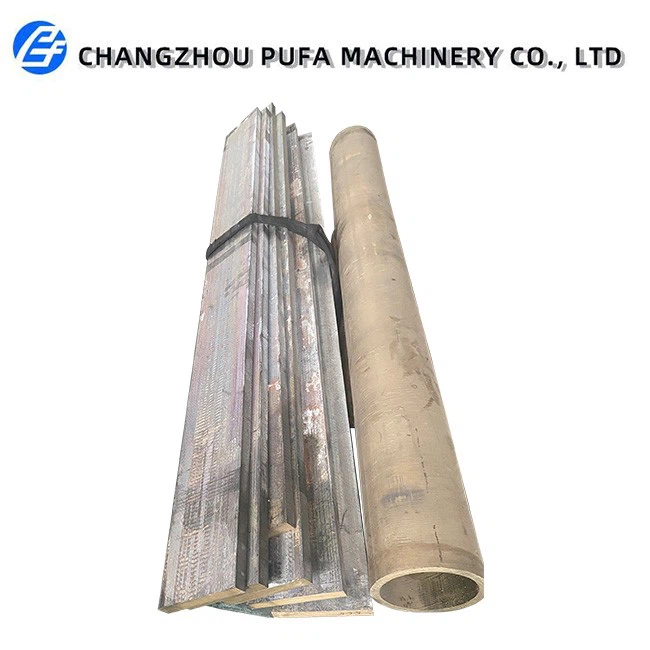
If you are interested in our C90300 Tin Bronze products, we offer a wide range of product forms to meet your specific needs. You can explore our Tin Bronze Sheet & Plate, which provide excellent formability and can be used in various sheet - metal applications. Our Lead Tin Bronze Hollow Bar is ideal for applications that require a lightweight and corrosion - resistant tubular structure. And our Leaded Tin Bronze Bar offers high strength and machinability for general - purpose engineering applications.

Contact for Procurement
If you are considering using C90300 Tin Bronze in your projects and would like to discuss your specific requirements, we are more than happy to assist you. Our team of experts has in - depth knowledge of the properties and applications of C90300 Tin Bronze and can provide you with professional advice and solutions. Whether you need a small quantity for prototyping or a large - scale supply for mass production, we can meet your needs with high - quality products and reliable service. Please feel free to reach out to us to start a procurement discussion.
References
- Davis, J. R. (Ed.). (2001). "Copper and Copper Alloys". ASM International.
- Schütze, M. (2000). "High - Temperature Corrosion". Wiley - VCH Verlag GmbH.
- Bhushan, B. (2013). "Tribology and Mechanics of Magnetic Storage Systems". Springer Science & Business Media.