

Intergranular corrosion is a critical concern in the field of metallurgy, especially when it comes to materials used in various industrial applications. Aluminum bronze, a group of copper-based alloys containing aluminum as the primary alloying element, is widely recognized for its excellent mechanical properties, corrosion resistance, and wear resistance. As a leading supplier of aluminum bronze products, including Aluminium Bronze Hollow Rods, C62400 Aluminum Bronze Brass Rod, and AB2 Aluminum Bronze Rod Bar, we understand the importance of intergranular corrosion resistance in aluminum bronze and its impact on the performance and longevity of our products.
Understanding Intergranular Corrosion
Intergranular corrosion, also known as intercrystalline corrosion, is a type of corrosion that occurs preferentially along the grain boundaries of a metal or alloy. Grain boundaries are the interfaces between adjacent grains in a polycrystalline material, and they often have different chemical compositions and microstructures compared to the grains themselves. These differences can make the grain boundaries more susceptible to corrosion, especially in the presence of certain corrosive environments.
When intergranular corrosion occurs, it can lead to a significant reduction in the mechanical properties of the material, such as strength, ductility, and toughness. This can ultimately result in the failure of the component, which can have serious consequences in applications where reliability and safety are critical. Therefore, understanding and controlling intergranular corrosion is essential for ensuring the long-term performance and integrity of aluminum bronze products.
Factors Affecting the Intergranular Corrosion Resistance of Aluminum Bronze
Several factors can influence the intergranular corrosion resistance of aluminum bronze, including the alloy composition, microstructure, heat treatment, and the corrosive environment.
Alloy Composition
The composition of aluminum bronze plays a crucial role in determining its intergranular corrosion resistance. Aluminum is the primary alloying element in aluminum bronze, and it forms a protective oxide layer on the surface of the alloy, which helps to prevent corrosion. However, the presence of other alloying elements, such as iron, nickel, manganese, and silicon, can also affect the corrosion resistance of the alloy.
For example, iron can improve the strength and hardness of aluminum bronze, but it can also increase the susceptibility to intergranular corrosion if it is present in excessive amounts. Nickel, on the other hand, can enhance the corrosion resistance of aluminum bronze, especially in seawater and other chloride-containing environments. Manganese and silicon can also improve the mechanical properties and corrosion resistance of the alloy, but their effects are more complex and depend on the specific alloy composition and processing conditions.
Microstructure
The microstructure of aluminum bronze, including the grain size, shape, and orientation, can also have a significant impact on its intergranular corrosion resistance. In general, a fine-grained microstructure is more resistant to intergranular corrosion than a coarse-grained microstructure. This is because fine-grained materials have a larger grain boundary area per unit volume, which can provide more sites for the formation of a protective oxide layer and reduce the diffusion of corrosive species along the grain boundaries.
In addition, the presence of certain phases or precipitates in the microstructure can also affect the intergranular corrosion resistance of aluminum bronze. For example, the formation of a brittle intermetallic phase, such as the kappa phase, can increase the susceptibility to intergranular corrosion. Therefore, controlling the microstructure of aluminum bronze through proper heat treatment and processing is essential for improving its intergranular corrosion resistance.
Heat Treatment
Heat treatment is an important process for improving the mechanical properties and corrosion resistance of aluminum bronze. Different heat treatment processes, such as annealing, quenching, and tempering, can be used to modify the microstructure of the alloy and enhance its performance.
For example, annealing can be used to relieve internal stresses, refine the grain structure, and improve the ductility of aluminum bronze. Quenching and tempering can be used to increase the strength and hardness of the alloy, but they can also increase the susceptibility to intergranular corrosion if not properly controlled. Therefore, it is important to select the appropriate heat treatment process and parameters based on the specific application requirements and the alloy composition.
Corrosive Environment
The corrosive environment in which aluminum bronze is used can also have a significant impact on its intergranular corrosion resistance. Aluminum bronze is generally resistant to corrosion in a wide range of environments, including seawater, freshwater, and many chemical solutions. However, certain environments, such as those containing high concentrations of chloride ions, sulfur compounds, or acids, can increase the susceptibility to intergranular corrosion.
In addition, the temperature, pH, and oxygen content of the corrosive environment can also affect the corrosion rate and mechanism of aluminum bronze. For example, higher temperatures can increase the rate of corrosion, while lower pH values can make the environment more acidic and corrosive. Therefore, it is important to consider the specific corrosive environment when selecting aluminum bronze for a particular application and to take appropriate measures to protect the alloy from corrosion.
Testing and Evaluation of the Intergranular Corrosion Resistance of Aluminum Bronze
To ensure the intergranular corrosion resistance of aluminum bronze products, various testing and evaluation methods can be used. These methods can provide valuable information about the susceptibility of the alloy to intergranular corrosion and help to identify any potential problems before they occur.
Immersion Testing
Immersion testing is a common method for evaluating the intergranular corrosion resistance of aluminum bronze. In this method, samples of the alloy are immersed in a corrosive solution for a specified period of time, and the extent of corrosion is then measured and evaluated. The corrosive solution can be selected based on the specific application requirements and the expected corrosive environment.
For example, samples of aluminum bronze can be immersed in a solution of sodium chloride and acetic acid to simulate the corrosive environment of seawater. After the immersion period, the samples are removed from the solution, cleaned, and examined for signs of intergranular corrosion, such as pitting, cracking, or grain boundary attack. The depth of corrosion and the percentage of corroded grain boundaries can be measured using microscopy techniques, such as optical microscopy or scanning electron microscopy.
Electrochemical Testing
Electrochemical testing is another powerful method for evaluating the intergranular corrosion resistance of aluminum bronze. This method involves measuring the electrochemical properties of the alloy, such as the corrosion potential, polarization resistance, and current density, in a corrosive environment. These properties can provide information about the corrosion rate and mechanism of the alloy, as well as its susceptibility to intergranular corrosion.
For example, potentiodynamic polarization testing can be used to measure the polarization resistance of aluminum bronze in a corrosive solution. The polarization resistance is a measure of the resistance of the alloy to corrosion, and it can be used to calculate the corrosion rate of the alloy. By comparing the polarization resistance values of different samples of aluminum bronze, it is possible to evaluate their relative intergranular corrosion resistance.
Improving the Intergranular Corrosion Resistance of Aluminum Bronze
Based on the understanding of the factors affecting the intergranular corrosion resistance of aluminum bronze, several measures can be taken to improve its resistance to this type of corrosion.
Alloy Design and Optimization
One of the most effective ways to improve the intergranular corrosion resistance of aluminum bronze is to optimize the alloy composition. This can involve adjusting the amounts of aluminum and other alloying elements to achieve the desired balance between mechanical properties and corrosion resistance. For example, adding a small amount of nickel or other noble metals can enhance the corrosion resistance of the alloy, especially in chloride-containing environments.
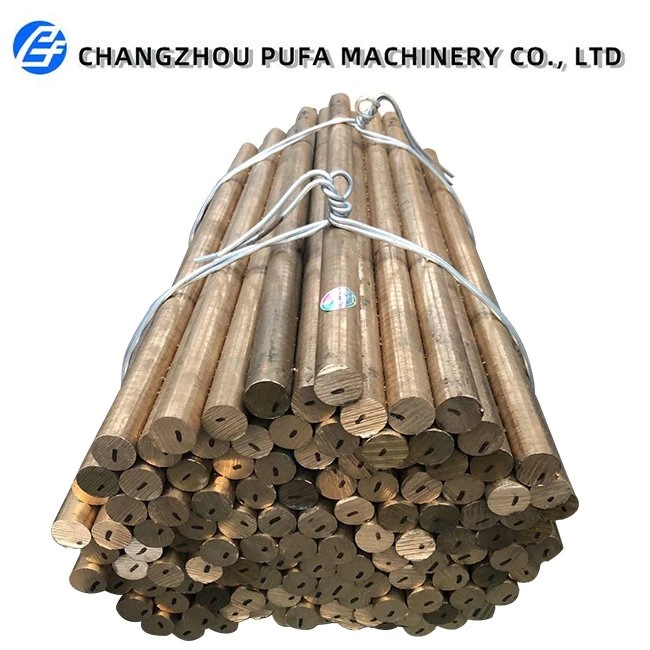

In addition, the use of high-purity raw materials and strict quality control during the alloy production process can help to minimize the presence of impurities and other harmful elements, which can also improve the intergranular corrosion resistance of the alloy.
Microstructure Control
Controlling the microstructure of aluminum bronze through proper heat treatment and processing is another important strategy for improving its intergranular corrosion resistance. As mentioned earlier, a fine-grained microstructure is generally more resistant to intergranular corrosion than a coarse-grained microstructure. Therefore, heat treatment processes, such as annealing and quenching, can be used to refine the grain size and improve the microstructure of the alloy.
In addition, the use of cold working or deformation processes can also help to improve the intergranular corrosion resistance of aluminum bronze by introducing compressive stresses at the grain boundaries, which can inhibit the initiation and propagation of corrosion.
Surface Treatment
Surface treatment is a common method for improving the corrosion resistance of metals and alloys, including aluminum bronze. Various surface treatment techniques, such as coating, plating, and passivation, can be used to form a protective layer on the surface of the alloy, which can prevent corrosion and improve its intergranular corrosion resistance.
For example, applying a protective coating of epoxy or polyurethane can provide a physical barrier between the alloy and the corrosive environment, which can reduce the rate of corrosion. Plating the alloy with a noble metal, such as nickel or chromium, can also improve its corrosion resistance by providing a more corrosion-resistant surface layer. Passivation, which involves treating the alloy with a chemical solution to form a passive oxide layer on the surface, can also enhance the intergranular corrosion resistance of aluminum bronze.
Conclusion
Intergranular corrosion is a critical issue that can affect the performance and integrity of aluminum bronze products. Understanding the factors that influence the intergranular corrosion resistance of aluminum bronze, such as the alloy composition, microstructure, heat treatment, and the corrosive environment, is essential for ensuring the long-term reliability and safety of these products.
As a leading supplier of aluminum bronze products, we are committed to providing high-quality materials with excellent intergranular corrosion resistance. Our products, including Aluminium Bronze Hollow Rods, C62400 Aluminum Bronze Brass Rod, and AB2 Aluminum Bronze Rod Bar, are carefully designed and manufactured to meet the specific requirements of our customers and to provide superior performance in a wide range of applications.
If you are interested in learning more about our aluminum bronze products or have any questions about their intergranular corrosion resistance, please do not hesitate to contact us. Our team of experts is always ready to assist you with your procurement needs and to provide you with the best solutions for your application.
References
- Davis, J. R. (Ed.). (2001). Copper and Copper Alloys. ASM International.
- Fontana, M. G., & Greene, N. D. (1967). Corrosion Engineering. McGraw-Hill.
- Uhlig, H. H., & Revie, R. W. (1985). Corrosion and Corrosion Control: An Introduction to Corrosion Science and Engineering. Wiley.