

Bronze is an alloy that has been used by humans for thousands of years, valued for its strength, durability, and corrosion resistance. As a bronze rod supplier, I often receive questions from customers about the properties of bronze, including its melting point. Understanding the melting point of a bronze rod is crucial for various applications, from casting and forging to heat treatment and manufacturing processes. In this blog post, I will delve into the factors that influence the melting point of bronze rods and provide valuable insights for those interested in working with this versatile alloy.
Composition of Bronze and Its Impact on Melting Point
Bronze is primarily an alloy of copper and tin, but it can also contain other elements such as aluminum, manganese, nickel, or zinc, depending on the specific type of bronze. The addition of these elements can significantly affect the melting point of the alloy. For instance, tin bronze, which is composed mainly of copper and tin, typically has a melting point ranging from 950°C to 1,040°C (1,742°F to 1,904°F). The exact melting point depends on the ratio of copper to tin and the presence of other alloying elements.
Aluminum bronze, on the other hand, contains aluminum as the main alloying element in addition to copper. This type of bronze has a higher melting point, usually between 1,027°C and 1,038°C (1,881°F and 1,900°F). The increased melting point is due to the high melting point of aluminum and its ability to form strong intermetallic compounds with copper.
Factors Affecting the Melting Point of Bronze Rods
Several factors can influence the melting point of bronze rods, including:
Alloy Composition
As mentioned earlier, the composition of the bronze alloy plays a significant role in determining its melting point. Different alloying elements have different melting points, and their presence in the alloy can either increase or decrease the overall melting point. For example, adding lead to tin bronze can lower its melting point, making it easier to cast.
Impurities
Impurities in the bronze alloy can also affect its melting point. Even small amounts of impurities can change the physical and chemical properties of the alloy, including its melting behavior. For instance, sulfur and phosphorus are common impurities in bronze that can lower the melting point and reduce the alloy's mechanical properties.
Heat Treatment
The heat treatment process can also influence the melting point of bronze rods. Annealing, for example, is a heat treatment process that involves heating the bronze to a specific temperature and then cooling it slowly. This process can relieve internal stresses in the alloy and improve its ductility and machinability. However, it can also affect the melting point of the bronze, depending on the specific heat treatment parameters.
Applications of Bronze Rods and the Importance of Melting Point
Bronze rods are used in a wide range of applications, including electrical components, plumbing fixtures, marine hardware, and machinery parts. The melting point of the bronze rod is an important consideration in these applications, as it determines the processing methods that can be used to manufacture the parts.
For example, in casting applications, the melting point of the bronze must be high enough to ensure that the alloy can be poured into the mold without solidifying prematurely. On the other hand, in forging applications, the melting point of the bronze must be low enough to allow the alloy to be shaped under pressure without cracking or breaking.
Our Range of Bronze Rods
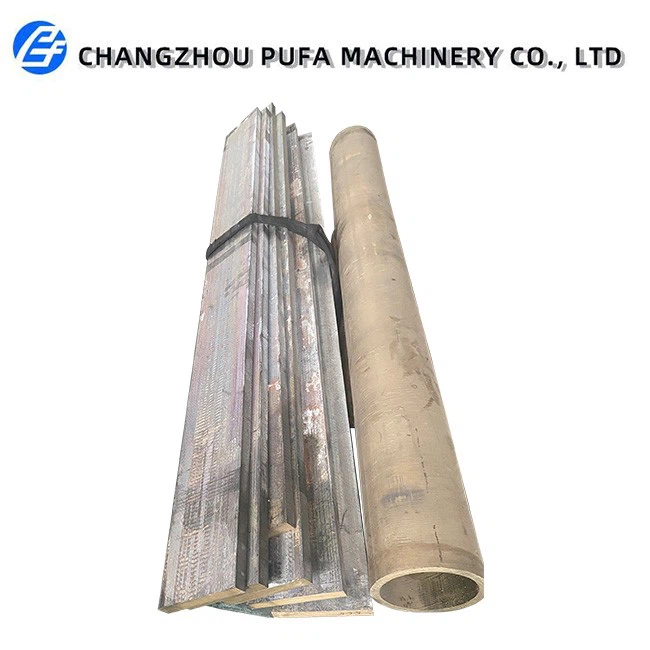
As a leading bronze rod supplier, we offer a wide range of bronze rods to meet the diverse needs of our customers. Our products include Bronze Solid Round Bar, Tin Bronze Sheet & Plate, and Leaded Tin Bronze Bar. Each of these products is made from high-quality bronze alloys and is available in various sizes and specifications.
Our bronze rods are known for their excellent mechanical properties, corrosion resistance, and machinability. Whether you need bronze rods for a small-scale project or a large industrial application, we can provide you with the right product at a competitive price.
Determining the Melting Point of a Specific Bronze Rod
If you need to determine the melting point of a specific bronze rod, there are several methods you can use. One common method is differential scanning calorimetry (DSC), which measures the heat flow into or out of a sample as it is heated or cooled. This method can provide accurate information about the melting point and other thermal properties of the bronze alloy.
Another method is thermal analysis, which involves heating the bronze rod at a controlled rate and monitoring its temperature and other physical properties. This method can also provide valuable information about the melting point and the behavior of the bronze alloy during heating and cooling.

Working with Us for Your Bronze Rod Needs
If you are looking for a reliable bronze rod supplier, look no further. We have years of experience in the industry and a team of experts who can help you choose the right bronze rod for your application. We offer high-quality products, competitive prices, and excellent customer service.
Whether you need a small quantity of bronze rods for a prototype or a large order for a production run, we can meet your needs. Contact us today to discuss your requirements and get a quote. We look forward to working with you and helping you achieve your goals.
Conclusion
In conclusion, the melting point of a bronze rod is an important property that depends on several factors, including the alloy composition, impurities, and heat treatment. Understanding the melting point of bronze is crucial for various applications, from casting and forging to heat treatment and manufacturing processes.
As a bronze rod supplier, we are committed to providing our customers with high-quality products and excellent service. Our range of bronze rods, including Bronze Solid Round Bar, Tin Bronze Sheet & Plate, and Leaded Tin Bronze Bar, is designed to meet the diverse needs of our customers.

If you have any questions about the melting point of bronze rods or need help choosing the right product for your application, please do not hesitate to contact us. We are here to assist you and ensure that you get the best possible solution for your needs.
References
- "Metals Handbook: Properties and Selection: Nonferrous Alloys and Pure Metals", ASM International
- "Corrosion Resistance of Copper and Copper Alloys", NACE International
- "The Science and Technology of Materials", Askeland and Phulé