

As a supplier of BC3 Bronze, I often get asked whether this material is suitable for electrical connectors. In this blog post, I'll delve into the properties of BC3 Bronze, compare it with other relevant materials, and analyze its viability for use in electrical connectors.
Understanding BC3 Bronze
BC3 Bronze is a type of tin - bronze alloy. Tin - bronzes are well - known for their excellent combination of mechanical and physical properties. BC3 Bronze typically contains a certain percentage of tin, copper, and other alloying elements. The addition of tin to copper enhances the alloy's strength, hardness, and corrosion resistance.
One of the key characteristics of BC3 Bronze is its good machinability. This means that it can be easily shaped into various forms, which is a significant advantage when manufacturing electrical connectors. Connectors often need to be precisely engineered to fit specific applications, and the ease of machining allows for the production of connectors with complex geometries.

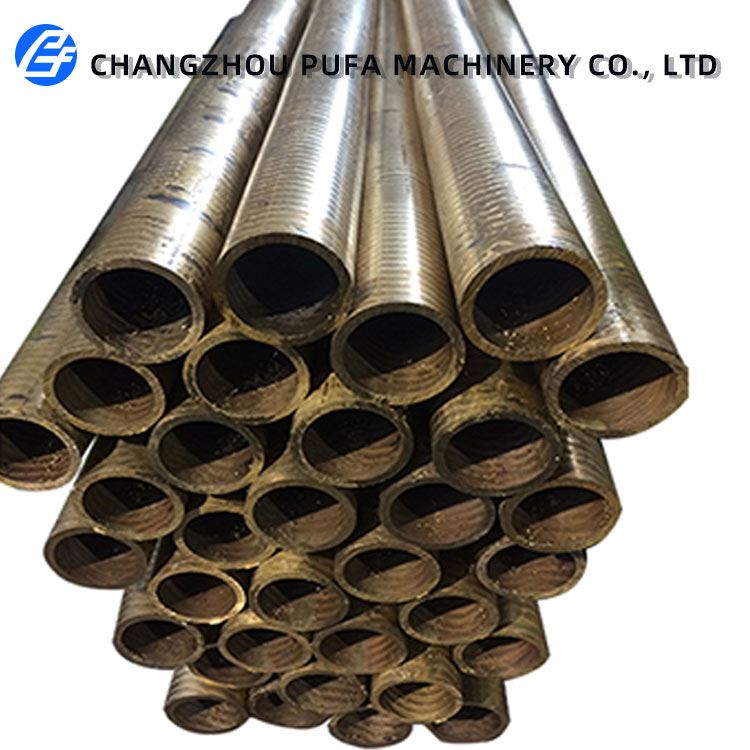
In terms of corrosion resistance, BC3 Bronze performs quite well. Electrical connectors are often exposed to various environmental conditions, including moisture, chemicals, and air pollutants. A material with good corrosion resistance is essential to ensure the long - term reliability of the connectors. BC3 Bronze forms a protective oxide layer on its surface, which helps to prevent further corrosion and degradation.
Electrical Conductivity
When it comes to electrical connectors, electrical conductivity is one of the most critical factors. Copper is well - known for its high electrical conductivity, and most electrical connectors are made from high - purity copper or copper alloys. While BC3 Bronze contains a significant amount of copper, the addition of tin and other alloying elements reduces its electrical conductivity compared to pure copper.
However, the reduction in conductivity is not always a deal - breaker. In many electrical applications, a certain level of conductivity is sufficient. For example, in low - voltage and low - current applications, the slightly lower conductivity of BC3 Bronze may be acceptable. Additionally, the other advantages of BC3 Bronze, such as its mechanical strength and corrosion resistance, may outweigh the relatively small reduction in conductivity.
Comparison with Other Materials
Tin Bronze C90300
Tin Bronze C90300 is another popular tin - bronze alloy. Tin Bronze C90300 has similar properties to BC3 Bronze, but there are some differences. C90300 has a different chemical composition, which may result in slightly different mechanical and electrical properties. In general, both alloys have good corrosion resistance and machinability. However, the electrical conductivity of C90300 may also be lower than pure copper. When choosing between BC3 Bronze and C90300 for electrical connectors, the specific requirements of the application, such as the required level of conductivity, mechanical strength, and cost, need to be considered.
Bronze Rods and Bars
Bronze Rods and Bars are commonly used in manufacturing electrical connectors. These rods and bars can be made from various bronze alloys, including BC3 Bronze. The advantage of using bronze rods and bars is that they provide a convenient starting material for the production of connectors. They can be easily cut, machined, and formed into the desired shape. Compared to some other materials, bronze rods and bars offer a good balance between cost, mechanical properties, and electrical conductivity.
Tin Bronze Round Bar
Tin Bronze Round Bar is also a potential material for electrical connectors. Similar to bronze rods and bars, tin bronze round bars are available in different alloys, including BC3 Bronze. The round shape of the bar makes it suitable for applications where a circular cross - section is required, such as some types of pins or terminals in electrical connectors.
Mechanical Properties
In addition to electrical conductivity, the mechanical properties of BC3 Bronze are also important for electrical connectors. Connectors need to withstand mechanical stress during installation, operation, and maintenance. BC3 Bronze has good tensile strength and hardness, which allows it to resist deformation and damage.
For example, when connectors are inserted and removed from sockets multiple times, they need to maintain their shape and integrity. The mechanical strength of BC3 Bronze ensures that the connectors can withstand these repeated插拔 (insertion and removal) operations without breaking or deforming.
Moreover, BC3 Bronze has good wear resistance. In some electrical connectors, there may be relative movement between different parts, such as sliding contacts. The wear - resistant property of BC3 Bronze helps to ensure that the connectors can maintain good electrical contact over a long period of time.
Cost Considerations
Cost is always an important factor in material selection. Pure copper is relatively expensive, especially high - purity copper used in electrical applications. BC3 Bronze, on the other hand, is generally more cost - effective. The addition of tin and other alloying elements is less expensive than using pure copper, and the good machinability of BC3 Bronze also reduces the manufacturing cost.
In large - scale production of electrical connectors, cost savings can be significant. By using BC3 Bronze instead of pure copper, manufacturers can reduce the overall cost of the connectors without sacrificing too much in terms of performance.
Applications Where BC3 Bronze Can Be Used
Low - Voltage and Low - Current Applications
As mentioned earlier, in low - voltage and low - current applications, the slightly lower electrical conductivity of BC3 Bronze may not be a problem. For example, in some consumer electronics, such as small battery - powered devices, the electrical requirements are relatively low. BC3 Bronze connectors can provide the necessary mechanical strength and corrosion resistance while still meeting the electrical needs of these applications.
Harsh Environments
In harsh environments, where corrosion is a major concern, BC3 Bronze is a good choice. For example, in outdoor electrical installations or industrial environments with high humidity and chemical exposure, the corrosion - resistant properties of BC3 Bronze can ensure the long - term reliability of the connectors.
Applications Requiring Mechanical Strength
In applications where connectors need to withstand significant mechanical stress, BC3 Bronze's mechanical properties make it a suitable candidate. For example, in automotive electrical systems, connectors may be subjected to vibrations, shocks, and temperature changes. The high tensile strength and hardness of BC3 Bronze help to ensure that the connectors remain intact and functional under these conditions.
Conclusion
In conclusion, BC3 Bronze can be used in electrical connectors, especially in applications where a balance between electrical conductivity, mechanical strength, corrosion resistance, and cost is required. While its electrical conductivity is lower than pure copper, its other advantages, such as good machinability, corrosion resistance, and mechanical strength, make it a viable option for many electrical applications.
If you are interested in using BC3 Bronze for your electrical connector projects, I encourage you to contact me for more information and to discuss your specific requirements. We can work together to determine if BC3 Bronze is the right material for your application and to ensure a successful procurement process.
References
- ASM Handbook, Volume 2: Properties and Selection: Nonferrous Alloys and Special - Purpose Materials.
- "Copper and Copper Alloys" by John E. Hatch.
- Industry reports on electrical connector materials and applications.