

As a long - time supplier of Phosphor Bronze, I've witnessed firsthand the numerous benefits this remarkable alloy brings to various industries. In this blog, I'll delve into the key advantages of using Phosphor Bronze, which make it a top choice for many applications.
Excellent Strength and Durability
One of the most prominent advantages of Phosphor Bronze is its outstanding strength. The addition of phosphorus to the copper - tin alloy matrix significantly enhances its mechanical properties. This alloy can withstand high levels of stress and strain without deforming easily. For instance, in the manufacturing of springs, Phosphor Bronze is a preferred material. Springs made from Phosphor Bronze PB1 can maintain their shape and elasticity over a long period, even when subjected to repeated loading and unloading cycles. This durability reduces the need for frequent replacements, leading to cost savings in the long run.
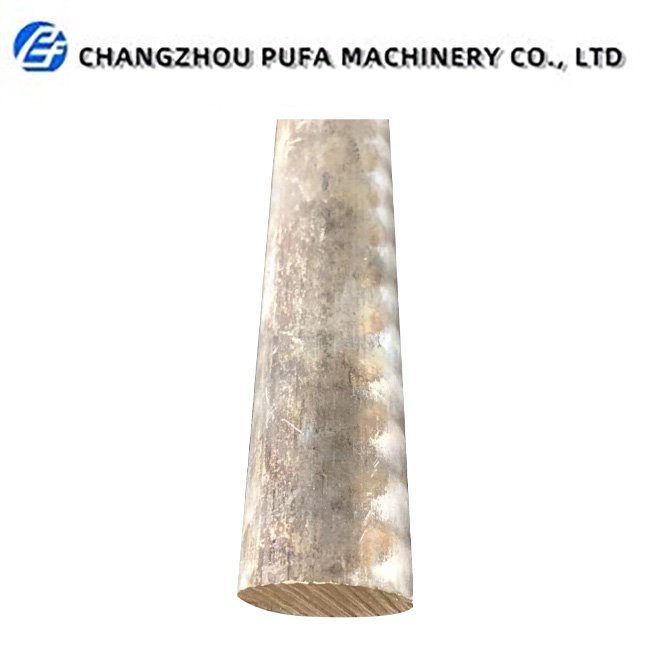

In heavy - duty machinery, Phosphor Bronze components can handle the rigors of continuous operation. The alloy's high tensile strength allows it to bear substantial loads, making it suitable for parts such as gears and bearings. These components need to resist wear and tear, and Phosphor Bronze's durability ensures a longer service life, minimizing downtime for maintenance and replacement.
Superior Corrosion Resistance
Phosphor Bronze exhibits excellent corrosion resistance, which is crucial in many environments. The alloy forms a protective oxide layer on its surface when exposed to air and moisture, preventing further corrosion. This property makes it ideal for applications in marine and coastal environments. For example, in shipbuilding, Phosphor Bronze is used for propeller shafts, valves, and other components that are constantly in contact with seawater. The resistance to saltwater corrosion ensures that these parts remain functional and reliable, reducing the risk of failures that could lead to costly repairs or even accidents.
In the chemical industry, where equipment is often exposed to corrosive chemicals, Phosphor Bronze can be used for pipes, fittings, and reaction vessels. Its ability to withstand chemical attack helps maintain the integrity of the equipment and ensures the safety of the production process. This corrosion resistance also makes Phosphor Bronze a good choice for outdoor applications, such as architectural hardware, where it can resist the effects of rain, snow, and pollution.
Good Electrical Conductivity
Despite being an alloy, Phosphor Bronze retains relatively good electrical conductivity. This property makes it suitable for electrical and electronic applications. In the production of electrical connectors, Phosphor Bronze can provide a reliable electrical connection. Its conductivity allows for efficient transmission of electrical signals, minimizing signal loss and interference.
For printed circuit boards (PCBs), Phosphor Bronze can be used as a component material. The alloy's electrical properties, combined with its mechanical strength and corrosion resistance, make it a valuable choice for ensuring the long - term performance of PCBs. In addition, in the telecommunications industry, Phosphor Bronze is used in various components, such as switches and relays, where both electrical conductivity and mechanical durability are required.
Exceptional Machinability
Phosphor Bronze is known for its excellent machinability. It can be easily cut, drilled, turned, and milled using standard machining tools. This makes it a convenient material for manufacturers, as it reduces production time and costs. During the machining process, Phosphor Bronze produces short, broken chips, which are easier to handle compared to the long, stringy chips produced by some other materials. This characteristic also helps prevent chip - related problems, such as tool clogging and surface finish issues.
Manufacturers can achieve high - precision parts with tight tolerances when working with Phosphor Bronze. Whether it's creating small, intricate components for the electronics industry or larger parts for mechanical engineering, the alloy's machinability allows for efficient production processes. For example, when producing Alloy Phosphor Bronze Rod, the ease of machining enables the creation of rods with smooth surfaces and accurate dimensions.
Anti - Friction Properties
Phosphor Bronze has inherent anti - friction properties, which are beneficial in applications where moving parts are involved. In bearings, the low friction coefficient of Phosphor Bronze reduces the amount of energy lost due to friction, improving the overall efficiency of the machinery. This also helps to reduce wear on the bearing surfaces, extending their service life.
In automotive engines, Phosphor Bronze can be used for bushings and other components that experience sliding or rotating motion. The anti - friction properties contribute to smoother operation, less noise, and improved fuel efficiency. Additionally, in the aerospace industry, where weight and efficiency are critical, Phosphor Bronze's anti - friction characteristics make it a valuable material for various moving parts.
Aesthetic Appeal
Beyond its functional advantages, Phosphor Bronze also has an aesthetic appeal. It has a warm, rich color that can add a touch of elegance to products. In the jewelry industry, Phosphor Bronze is sometimes used as a base material for creating unique and stylish pieces. Its color can be enhanced through various finishing techniques, such as polishing or patination, to achieve different looks.
In architectural applications, Phosphor Bronze can be used for decorative elements, such as door handles, window frames, and sculptures. The alloy's combination of beauty and durability makes it a popular choice for designers who want to create both functional and visually appealing structures.
Wide Range of Applications
The diverse advantages of Phosphor Bronze result in a wide range of applications across multiple industries. In addition to the industries mentioned above, it is also used in the musical instrument industry. For example, some guitar strings are made from Phosphor Bronze. The alloy's unique combination of properties, such as strength, flexibility, and tone - producing qualities, makes it suitable for creating high - quality strings that offer a rich, warm sound.
In the watchmaking industry, Phosphor Bronze is used for components such as balance springs and gears. Its precision - manufacturing capabilities and long - term stability are essential for the accurate timekeeping of watches.
As a Phosphor Bronze supplier, I understand the importance of providing high - quality Phosphor Bronze Alloy that meets the specific requirements of different customers. Whether you are in the automotive, marine, electrical, or any other industry, Phosphor Bronze can offer a reliable and cost - effective solution for your applications.
If you are interested in learning more about our Phosphor Bronze products or have specific requirements for your projects, I encourage you to contact us for a procurement discussion. We have a team of experts who can provide you with detailed information, technical support, and customized solutions.
References
- Metals Handbook: Properties and Selection: Nonferrous Alloys and Pure Metals, ASM International
- Corrosion Resistance of Metals and Alloys, Marcel Pourbaix
- Machining of Metals: An Introduction to the Theory and Practice of Cutting and Grinding, E. Usher