

When it comes to using bronze bushings in wet environments, there are several crucial precautions that need to be taken to ensure their optimal performance and longevity. As a bronze bushing supplier, I've witnessed firsthand the challenges and solutions related to this specific application scenario. In this blog, I'll delve into the key considerations and steps you should follow when utilizing bronze bushings in wet conditions.
Understanding the Impact of Wet Environments on Bronze Bushings
Wet environments present a unique set of challenges for bronze bushings. The presence of water can lead to corrosion, which is one of the most significant threats to the integrity of bronze components. Corrosion not only weakens the structure of the bushing but also affects its dimensional stability, leading to increased friction and wear. Additionally, water can act as a carrier for contaminants such as dirt, sand, and chemicals, which can further exacerbate the wear and tear on the bushing.
Material Selection
The first step in using bronze bushings in wet environments is to choose the right material. Different types of bronze alloys have varying levels of corrosion resistance, and selecting the appropriate alloy is crucial for ensuring the bushing's performance.
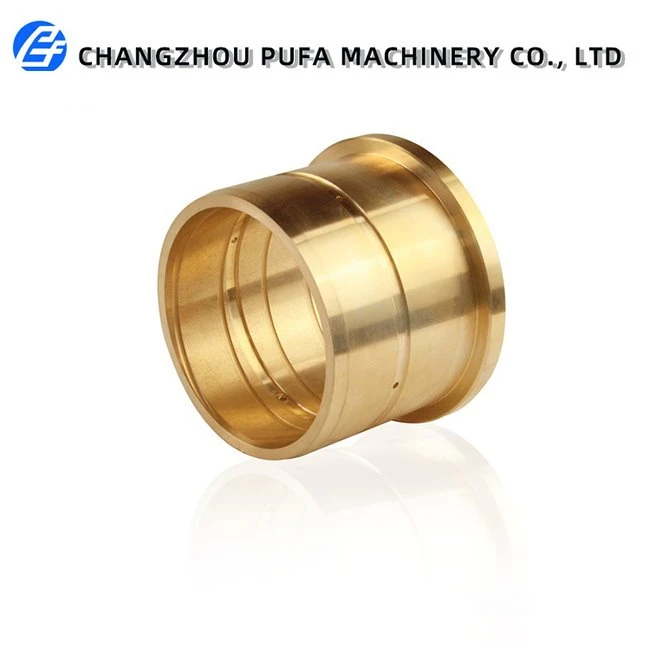

- Cast Bronze Bushing: Cast bronze bushings are a popular choice for many applications due to their excellent mechanical properties and corrosion resistance. They are typically made from alloys such as tin bronze or aluminum bronze, which offer good resistance to water and other corrosive substances. You can find a wide range of Cast Bronze Bushing options on our website.
- Bushes Bronze: These bushings are often used in high-load applications and are known for their durability and wear resistance. They are available in various alloys, including phosphor bronze, which has excellent corrosion resistance and is suitable for use in wet environments. Check out our Bushes Bronze products for more information.
- Phosphor Bronze Bush: Phosphor bronze is a copper-based alloy that contains phosphorus, which enhances its strength, hardness, and corrosion resistance. Phosphor bronze bushings are particularly well-suited for wet environments as they can withstand the effects of water and other corrosive agents. Learn more about Phosphor Bronze Bush on our website.
Surface Treatment
In addition to selecting the right material, surface treatment can also play a crucial role in protecting bronze bushings from corrosion in wet environments. There are several surface treatment options available, each with its own advantages and disadvantages.
- Coating: Applying a protective coating to the surface of the bushing can provide an additional layer of protection against corrosion. Common coating materials include epoxy, polyurethane, and zinc. These coatings can help to prevent water and other corrosive substances from coming into contact with the bronze surface, thereby extending the life of the bushing.
- Plating: Plating the bushing with a corrosion-resistant metal such as nickel or chromium can also improve its corrosion resistance. Plating can provide a smooth, hard surface that is less susceptible to wear and corrosion. However, it is important to ensure that the plating process is carried out correctly to avoid any issues such as peeling or cracking.
- Passivation: Passivation is a chemical process that involves treating the bronze surface with an oxidizing agent to form a thin, protective oxide layer. This oxide layer can help to prevent corrosion by acting as a barrier between the bronze and the surrounding environment. Passivation is a relatively simple and cost-effective way to improve the corrosion resistance of bronze bushings.
Installation and Maintenance
Proper installation and maintenance are also essential for ensuring the performance and longevity of bronze bushings in wet environments. Here are some key considerations:
- Installation: When installing bronze bushings in wet environments, it is important to ensure that they are properly lubricated to reduce friction and wear. Use a lubricant that is compatible with the bronze material and the operating conditions. Additionally, make sure that the bushing is installed correctly and that there is no misalignment or excessive clearance.
- Sealing: Sealing the bushing to prevent water and other contaminants from entering is crucial. Use appropriate seals or gaskets to create a watertight barrier around the bushing. This can help to protect the bushing from corrosion and extend its service life.
- Regular Inspection: Regular inspection of the bronze bushings is necessary to detect any signs of wear, corrosion, or damage. Check for signs of pitting, cracking, or deformation, and replace the bushing if necessary. Additionally, monitor the lubrication levels and ensure that the seals are intact.
Environmental Considerations
Finally, it is important to consider the specific environmental conditions in which the bronze bushings will be used. Factors such as temperature, humidity, and the presence of chemicals can all affect the performance and corrosion resistance of the bushings.
- Temperature: Extreme temperatures can have a significant impact on the performance of bronze bushings. High temperatures can cause the lubricant to break down, leading to increased friction and wear. Low temperatures can make the bronze more brittle and prone to cracking. Make sure to select a bushing material and lubricant that are suitable for the operating temperature range.
- Humidity: High humidity levels can increase the risk of corrosion, especially if the bronze bushings are not properly protected. Consider using dehumidifiers or other moisture control measures to reduce the humidity in the environment.
- Chemical Exposure: If the bronze bushings will be exposed to chemicals such as acids, alkalis, or salts, it is important to select a material that is resistant to these substances. Some bronze alloys may be more susceptible to chemical attack than others, so it is crucial to choose the right alloy for the specific application.
Conclusion
Using bronze bushings in wet environments requires careful consideration of several factors, including material selection, surface treatment, installation, maintenance, and environmental conditions. By taking the appropriate precautions, you can ensure that your bronze bushings perform optimally and have a long service life. As a bronze bushing supplier, we are committed to providing high-quality products and expert advice to help you meet your specific application requirements. If you have any questions or need assistance with selecting the right bronze bushing for your wet environment application, please don't hesitate to contact us for procurement and negotiation.
References
- ASM Handbook, Volume 13A: Corrosion: Fundamentals, Testing, and Protection
- Machinery's Handbook, 31st Edition
- ASTM International Standards for Bronze Alloys